


THE GOAN NETWORK
PANAJI
The southwest monsoon showers over the past two days have brought back the smiles on the faces of Goa’s farmers even as it triggered a flurry of activity in the paddy fields.
After weeks of uncertainty over the monsoon, cultivators are back in the fields, ploughing and preparing nursery beds for their sowing operations.
The rainfall has replenished water levels in ponds and wells and enabled farmers across Goa to actually begin groundwork in their fields.
Agriculture department officials said the ground is now sufficiently moist for initial work related to sowing to begin.
“The rain has finally come. We were worried about further delays,” said a zonal agriculture officer from North Goa.
A senior agriculture officer at the Krishi Bhavan in Panaji told The Goan that the showers have eased pressure on irrigation systems.
“The rainfall has helped recharge local water sources traditionally used by farmers who can now proceed with sowing,” the officer said.
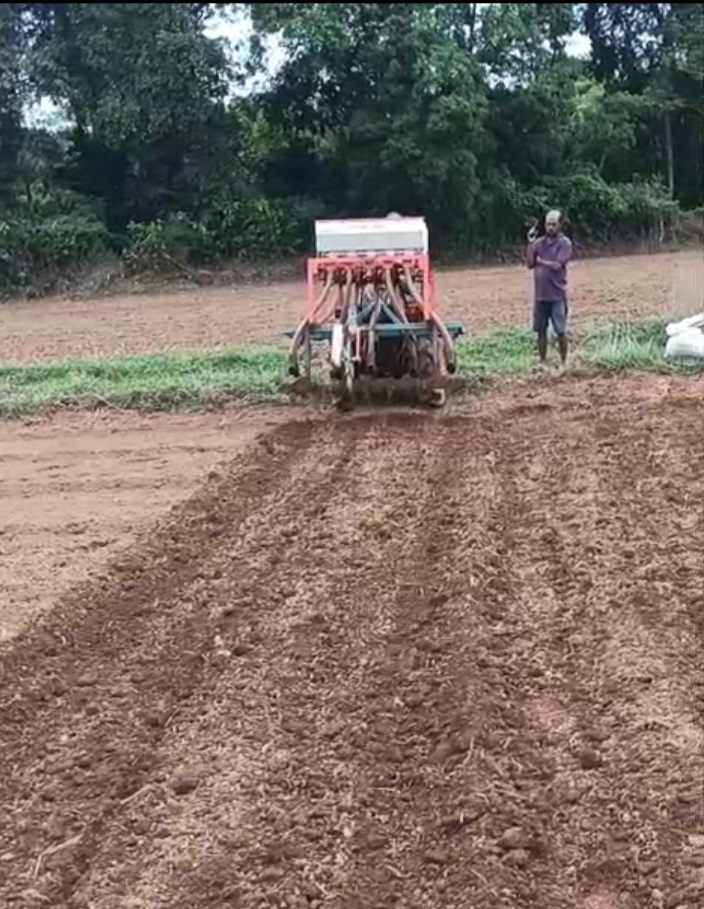
Across Goa, traditional cultivators were seen busy puddling soil and in many places seedlings were being raised in trays for the mechanical transplantation operations.
Both, those using traditional methods as well as the ones who rely on mechanical transplanting, were waiting for consistent rain to begin flooding fields and the burst of showers over the last two days has allowed them to launch their operations, the senior agriculture officer said.
Dry sowing practices, known locally as xell and chobo, have also picked up pace.
Santan Fernandes from Batim who was broadcasting pre‑germinated seeds (rov) said they had delayed germination until the fields were adequately wet.
"With the rains in the last two days, we are now moving ahead with our operations," Fernandes said.
The flurry of activity marks a turning point in the kharif season which until now had seemed gloomy with the monsoon playing truant. Farmers are now hoping that the rainfall will remain steady through July and August which are crucial months for crop growth.
The period ends with the Konsachem Fest, celebrated across Goa from the first week of August, beginning with Raia village in Salcete. It traditionally marks the flowering stage of the paddy.
The showers have lifted spirits in rural Goa, but there was consensus among both officials and farmers that a good kharif harvest would depend on how the monsoon plays out and is not to harshly disrupted by the El Nino effect which scientists have been predicting.
Too many dry spells between flowering and harvest could leave the standing crop vulnerable to pest attacks, an official said.


