VALPOI
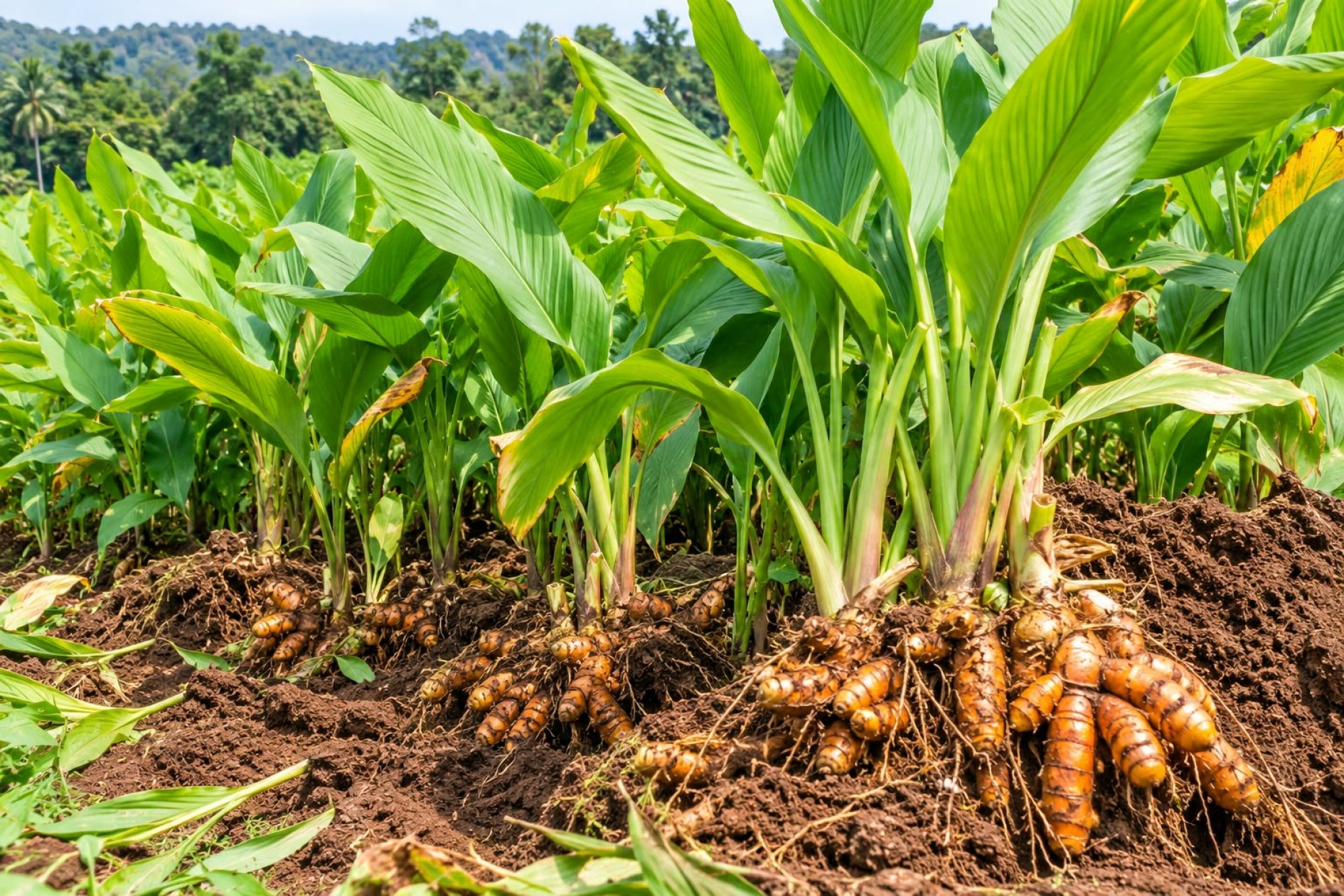
Turmeric production in Sattari taluka is expected to decline by up to 40 per cent this year due to below-average rainfall and prolonged dry spells, raising concerns among growers over mounting losses. Inadequate soil moisture has affected sprouting and crop growth, with only around 50 per cent of the planted turmeric reportedly sprouting in several areas.
Sattari's favourable soil and climatic conditions have made turmeric an important agricultural crop in the region. Farmers cultivate it both as a primary crop and as an intercrop alongside other traditional crops. Its demand in domestic and international markets, coupled with relatively lower damage from wild animals compared with certain other crops, makes it an attractive option for local growers.
However, irregular rainfall this year has affected cultivation at a crucial stage. Turmeric rhizomes require sufficient soil moisture to sprout after planting. The considerable decline in rainfall following planting has left many rhizomes unable to sprout, while plants that have emerged have also suffered from insufficient moisture during subsequent growth stages.
Farmers fear that their investments in planting material, land preparation and labour may not yield the expected returns. A decline in output could particularly affect small-scale growers and those who depend on turmeric for a substantial portion of their agricultural income.
The production setback comes amid continuing concerns over market prices. Growers have complained that the prices received for turmeric in recent years have often failed to cover cultivation, labour and transportation costs. Some farmers also reported financial losses last year due to lower-than-expected prices.
With production likely to fall this year, growers face the double challenge of reduced output and uncertainty over remunerative prices. They have called for reliable procurement arrangements and better market access to ensure that their efforts translate into adequate returns.
In a significant initiative, the Sattari Farmers Producing Company has decided to procure turmeric from local growers this year and expressed its readiness to purchase substantial quantities at assured rates. The initiative is expected to provide farmers with an alternative marketing channel and potentially reduce their dependence on intermediaries.
The company will organise a meeting of turmeric growers shortly to discuss the procurement process, participation and future plans. Details regarding procurement prices, quantities and other conditions are expected to be clarified at the meeting.
The company also plans to encourage increased turmeric cultivation in Sattari during the next season through awareness programmes and guidance for farmers. Better cultivation planning, adequate soil moisture management and appropriate crop care could help improve productivity and reduce weather-related risks.
The initiative assumes significance given the region's potential for expanding turmeric cultivation. Combining agricultural guidance with dependable procurement and remunerative prices could encourage more farmers to cultivate the crop and improve their earnings.
Officials at the Valpoi Divisional Agriculture Office have acknowledged that turmeric production is likely to decline this year. They said repeated breaks in rainfall had adversely affected cultivation in several areas, and a fall in output could not be ruled out.
Agriculture officials stressed that adequate rainfall and soil moisture after planting were essential for proper sprouting and crop development. Although turmeric can be grown in different locations and cultivated as an intercrop, insufficient moisture during the initial stages can significantly affect production.
With rainfall shortages threatening the harvest and market-price concerns persisting, growers are now looking towards the Sattari Farmers Producing Company's procurement initiative for relief. Reliable market access, appropriate agricultural support and assured remunerative prices will be crucial to sustaining turmeric cultivation and protecting farmers' incomes in the taluka.