


VASCO
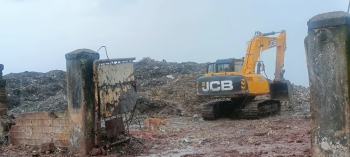
The Mormugao Municipal Council’s (MMC) garbage plant at Sada-Vasco had been in the news for all wrong reasons, whether it was for overloaded garbage, dumping of unsegregated garbage or even the garbage fires.
MMC Chairperson Girish Borker has said the situation has now changed in recent times and the plant is working on full capacity to treat garbage it receives on a daily basis.
“The MMC plant at Sada has a capacity of treating 30 tonnes of garbage per day, of which 20 tonnes is of wet waste, while 10 tonnes of dry waste are being collected and disposed on a daily basis,” said Borker.
“The MMC gets a total of 30 tonnes garbage per day which is treated each day. We have also identified a few bulk generators and notices have been sent to them also. They have begun handing over their waste to the MMC.”
“The MMC only collects waste it receives from its jurisdiction and does not accept garbage from any other areas. We sometimes take dry waste, if requested, from organisations like Mormugao Port Authority, etc, but no wet waste is accepted or permitted at the plant from any other places besides MMC jurisdiction,” said Borker.
SORTING OF WASTE
He added that contractors sort out dry waste at the plant and some pick up whatever waste that they can recycle, like glass bottles, etc. “We don’t make any payment to them or their labourers. They clear 10 tonnes of dry waste per day. We have one watchman at the plant and two supervisors, one for wet waste and one for dry waste.”
“We also have two women labourers who sort out wet and dry waste from mixed garbage piles. Wet waste of 20 tonnes is sent on a daily basis to the Saligao Solid Waste Management Plant through four vehicles,” said Borker.
The MMC chairperson said the council has 18 vehicles dedicated for garbage collection, including 4 compactors, which have separate wet and dry compartments.
“We also have two door-to-door garbage contractors. We removed one contractor who was not doing the job properly and we are happy with these two contractors,” said Borker.
“We have enough storage for dry waste of around 10 tonnes and we have two sheds at the Sada plant for wet waste, of which one is used to dump and the other is for sorting and sending the wet waste to the Saligao plant.”
NEED FOR ANOTHER WASTE PLANT
Borker said there is a need for another wet waste treatment plant to treat an additional 10 tonnes of wet waste per day.
“We had another plant to treat 10 tonnes of wet waste which was set up by BITS Pilani but due to lack of maintenance, it is not working efficiently.”


