


PANAJI
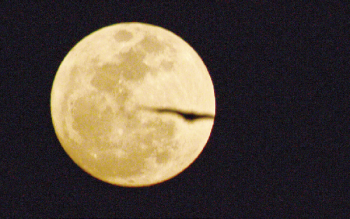
After the warning from the Tourism Department, the Revenue Office has issued a separate warning about unusually high tides that could affect low lying areas in Goa and especially the coastal belt on account of the spring tides and supermoon that occur at this time of the year.
The advisory issued by the revenue department has warned that tidal heights will be above normal between 9am to 1pm and 11pm and 2am between January 2 and January 5 and has further warned that people in low lying areas especiall
y those in Mormugao, Panaji, Vasco da Gama be on alert during these times.
Earlier due to the supermoon and the Cyclone Ockhi, high tides resulted in waves reaching right up to the beach shacks causing losses to shack operators with the government being forced to promise compensation based on the claims filed by the shack operators.
In early December, the District Magistrates of North and South Goa carried out preliminary assessments of the damage caused due to the perigean spring tides along the coastal belt and both the disaster management committees have recommended that the spring tides be termed a ‘disaster' so that compensation can be released to the affected parties.
This despite the high tides being only marginally higher than spring tides that are common this time of the year as the moon is at its closest point to earth. Tourism infrastructure across the beach belt which includes the beach stretch from Mobor Cavelossim to Benaulim, Colva and Velsao as well as in the North with the Candolim-Calangute beach stretch as well as the Morjim to Keri beach stretch was affected.
Earlier due to the supermoon and the Cyclone Ockhi, high tides resulted in waves reaching right up to the beach shacks causing losses to shack operators with the government being forced to promise compensation based on the claims filed by the shack operators.
In early December, the District Magistrates of North and South Goa carried out preliminary assessments of the damage caused due to the perigean spring tides along the coastal belt and both the disaster management committees have recommended that the spring tides be termed a ‘disaster' so that compensation can be released to the affected parties.
This despite the high tides being only marginally higher than spring tides that are common this time of the year as the moon is at its closest point to earth. Tourism infrastructure across the beach belt which includes the beach stretch from Mobor Cavelossim to Benaulim, Colva and Velsao as well as in the North with the Candolim-Calangute beach stretch as well as the Morjim to Keri beach stretch was affected.


