MARGAO
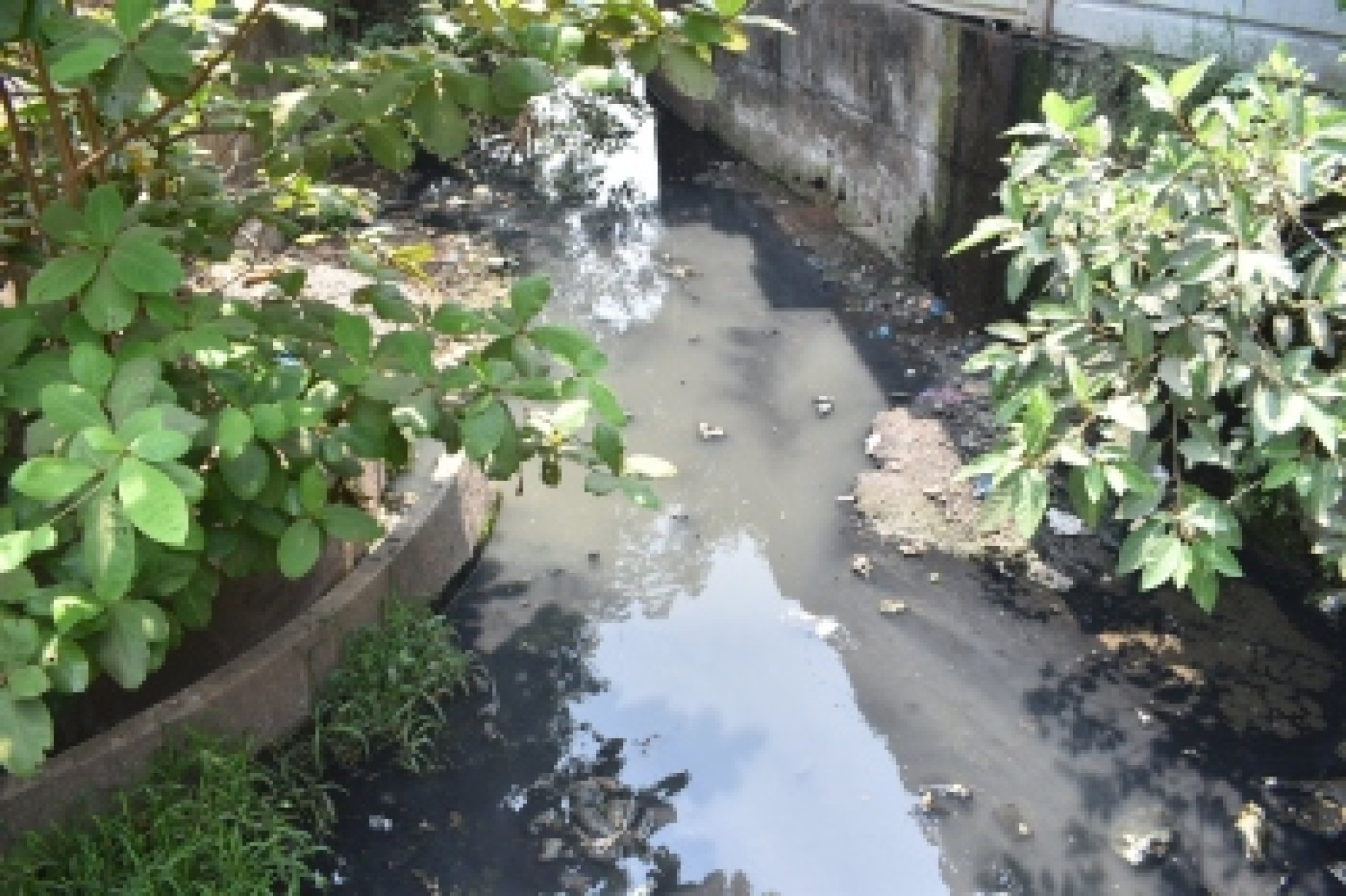
With no let-up in the discharge of sewage into the River Sal through storm water nullahs, the Water Resources Department (WRD) is moving ahead with a pilot project to treat sewage before it enters the river.
The department has proposed a 3 MLD sewage treatment plant (STP) at Khareband to treat sewage flowing through the Khareband nullah before it is discharged into the River Sal. The project is expected to cost the exchequer around Rs 24 crore.
The WRD has also proposed a couple of similar treatment plants along the banks of the River Sal to intercept sewage entering the river through storm water nullahs. However, the department is now looking to implement the 3 MLD Khareband project as a pilot. If the project proves successful, the WRD is expected to take up similar projects along the stretch of the River Sal passing through Margao to intercept sewage flowing into the river.
The WRD has also prepared estimates for a 5 MLD STP on the upstream stretch of the River Sal, around the Comba course.
WRD officials said the department has submitted a proposal to the government seeking approval to set up the 3 MLD plant at Khareband initially.
“Depending on the success of the Khareband STP, the department will push for the remaining plants along the river course,” sources said.
WRD Minister Subhash Shirodkar had recently unveiled plans to set up a couple of STPs along the River Sal course passing through Margao and Fatorda to intercept sewage carried into the river through stormwater nullahs.
Govt to decide agency to execute project
Sources in the know said that while the WRD has proposed setting up the 3 MLD STP at Khareband to intercept raw sewage entering the river at Kharelem, it is still unclear which government agency will ultimately execute the project.
The handling of sewage and construction of STPs falls within the domain of the Sewerage Infrastructure Development Corporation of Goa Ltd (SIDCGL). Although the stormwater nullahs come under the jurisdiction of the WRD, SIDCGL is the government agency responsible for executing sewerage projects across the State.
“We have proposed to the government to set up the 3 MLD STP at Khareband. If the government gives the WRD the green signal to go ahead with the project, we will execute it. If not, the SIDCGL will take up the work,” an official said.
Sal sewage plan raises questions over underground sewer network
MARGAO: Are the proposed mini-Sewage Treatment Plants (STPs) really the answer to the sewage entering the River Sal through the storm-water nullahs, or does the proposal amount to an admission that these drains in the commercial capital are, in fact, carrying untreated sewage into the river?
More importantly, if sewage from households and commercial establishments is finding its way into the storm-water drainage network and eventually into the River Sal, should the government not address the problem at its source by expanding and strengthening the underground sewage network in Margao?
The question assumes significance in view of the proposal prepared by the Water Resources Department (WRD) to set up mini-STPs at three locations — Khareband, Comba, near the wholesale fish market, and near Salpem Lake — to intercept sewage and wastewater flowing into the River Sal through the storm-water nullahs.
The proposal is ostensibly aimed at preventing sewage from reaching the river. However, it also raises a fundamental question: Is the government treating the symptom rather than addressing the source of the contamination?
Estimates prepared by the WRD reveal that the proposed 3 MLD plant at Khareband alone is expected to cost around Rs 24 crore. The 5 MLD plant proposed at Comba, on the banks of the River Sal, is estimated to cost another Rs 38 crore.
That raises the obvious question: Should such a substantial amount of public money be invested in a series of treatment plants along the river, or could the funds be better utilised to create, expand or strengthen an underground sewage network that prevents sewage from entering the storm-water drainage system in the first place?
Questions on comprehensive audit on storm water nullahs
The proposed mini-STPs have raised another important issue: Has the government conducted a comprehensive audit of the storm-water nullahs in Margao to determine exactly how much sewage they are carrying, where the sewage is originating, and how many households and commercial establishments are connected to or discharging into these drains?
Sources in the know say the government could consider making public a comprehensive assessment of the existing sewage and storm-water infrastructure in Margao — including the number of sewage connections, areas without underground sewerage, storm-water drains receiving sewage, the estimated sewage load entering the River Sal and the cost of permanently diverting that sewage into a proper underground network.
“The mini-STPs may well provide an immediate mechanism to intercept and treat sewage before it reaches the river. But unless the sources of the sewage are identified and plugged, the city could find itself treating the same problem repeatedly, at considerable public expense,” sources said.
Sources added: The larger question remains unanswered – should Margao continue to intercept sewage on its way to the River Sal, or should the government invest in infrastructure that stops the sewage from reaching the river altogether?