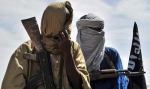
Al Qaeda-inspired militancy is on the rise in Africa asdisparate groups with local grievances find common cause in the global terrorgroup’s tactics and ideology and, in turn, offer it new theaters of operation. Militarypressure, drone strikes and the assassination of Osama bin Laden havediminished Al Qaeda globally, leaving it weaker than at any point since itsfirst terrorist spectacular, the 1998 bombing of US embassies in Kenya andTanzania.
But while Al Qaeda central wanes, affiliates elsewhere aregrowing stronger, nowhere more so than in Africa, where groups like Al Qaeda inthe Islamic Magreb (AQIM), Boko Haram and Al Shabaab are finding ways ofhitching Al Qaeda’s ideology to their local struggles. “Africa represents afertile ground for diminished ‘Al Qaeda-core’ to re-group, re-energize andre-launch its mission of global jihad," according to a recent report bythe Royal United Service Institute, a London-based think tank. The reportpointed to the potential for an “arc of instability encompassing the wholeSahara-Sahel strip and extending through to East Africa.” It warned that AlQaeda’s new strategy seemed to be “going native,” using local militant groupsand their conflicts to gain a foothold in new countries.
But while the report saw the impetus coming from Al Qaedacentral, other observers say it is the African affiliates that are in thedriving seat. “Much of this is being driven by the Africans themselves,” Dr. JPeter Pham, director of the Michael S Ansari Africa Center at Washington’s AtlanticCouncil, told GlobalPost. “They are finding in this ideology, which is notnative, a way to transcend the local particularities of their individual fightand invest it with a greater meaning that has purchase beyond their borders,”Pham argued.
Al Qaeda also has much to gain from alliances with Africangroups. Territory controlled by allied organizations offer safe havens for AlQaeda operatives and fighters. It also gives Al Qaeda “the ability to projectthe aura of dynamism at a time when they are increasingly squeezed,” Pham said.Thisnew dynamic is, however, fraught with difficulties for the local affiliates. “Thesegroups are often caught in a dilemma over whether to remain a locally-focusedinsurgency force or to become a truly international terrorist organization witha global ethos,” according to the Royal United Service Institute report.
Al Shabaab inSomalia is an example. Analysts have long pointed to divisions, tensions andsometimes outright hostility between the nationalists in the organization andthose interested in taking the group global. Also problematic is thecross-fertilization taking place between Islamist groups on different sides ofthe continent that, Pham argues, is driving a kind of self-radicalization, asthe organizations share expertise and tactics. “These Al Qaeda inspired transnational movements are gaining traction inAfrica. They are communicating, sharing resources, sharing ideas and copyingmethods of attack,” Pham said.
The resilience of Al Qaeda ideology was made clear in recentmonths. Even as Al Shabaab was forced into retreat in Somalia over the lastyear, a new threat emerged very rapidly in northern Mali, where various AlQaeda-aligned groups hijacked a local rebellion in March. The variousorganizations (Al Qaeda in the Islamic Magreb, Ansar Dine and the Movement forUnity and Jihad in West Africa) managed, in a matter of weeks, to elevatethemselves from a band of drug-smugglers and occasional terrorists withlucrative sidelines in kidnapping into the world’s pre-eminent Al Qaedaalliance. Together they control half of a huge country and are establishing governments,largely unchallenged. They are well equipped, raising questions about theorigins of outside financial backing, and there have been numerous unconfirmedsightings in northern Mali of foreigners from Pakistan and elsewhere.