


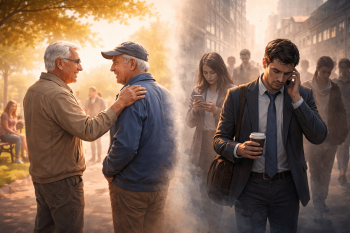
In the early 70s and 80s, phrases like “How are you?” and “Take care” carried real emotional value. People spoke with genuine concern and warmth. These words reflected friendship, family care, and good intentions, and were shared sincerely with others.
Today, however, these phrases have largely become formalities. In our fast-paced and stressful lives, even within families, friendships, and neighbourhoods, they often lack real meaning or action behind them. This change may be linked to burnout. Many people struggle to support others when they themselves feel exhausted or emotionally drained. At the same time, there are still kind-hearted people willing to help others, but staying positive and proactive has taken a mental and physical toll. It is sad when memories of the 70s and 80s feel more genuine than the present.
In today’s world, it is better not to expect too much from others. Instead, focus on caring for your own health and well-being. Any advice, love, or support you receive should be seen as a bonus. You cannot truly care for others if you neglect yourself. Prioritising your own well-being is not selfish; it allows your care and energy to naturally extend to those you love. In conclusion, taking care of yourself is essential for your physical, mental, and emotional health, especially during difficult times. Otherwise, phrases like “How are you?” and “Take care” risk becoming empty greetings rather than genuine expressions of care.


