THE GOAN NETWORK
“The three basic needs of humans are food, water and shelter,” a belief strongly held across civilisations and generations. Food is one of the most basic human needs, yet knowing what goes into our meals has become a growing concern. Thus, from making paneer at home to avoiding certain eateries, families are gradually changing their food habits.
ADULTERATION CONCERNS
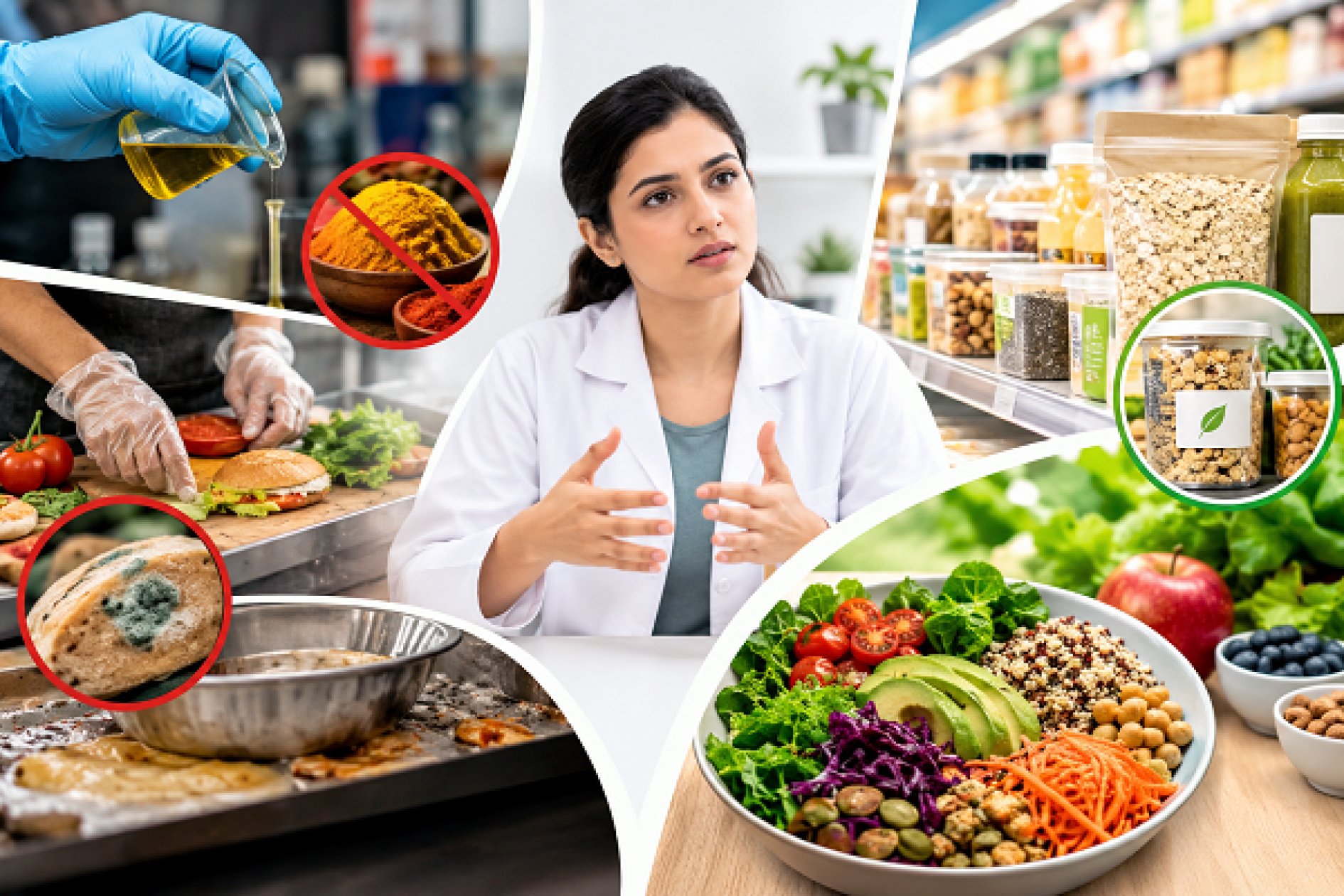
While all food may not be unsafe, concerns remain about adulteration, contamination, pesticide residues, and improper storage. “Food quality is a concern due to adulteration, poor hygiene and improper storage, although a decline over time needs supporting data,” says Jigyasa Sharma, Clinical Dietitian and Hormonal and Metabolic Diet Specialist at Your Next Diet by J.
A farmer, Pandurang Patil, believes that human greed for higher yields and greater profits is contributing to concerns over the quality of agricultural produce. Citing the example of tender coconuts, he points to the difference he has observed between locally grown coconuts and those brought in from other states. “A tender coconut plucked from a farm in Goa may start rotting from within three days, while coconuts from Andhra Pradesh and Kerala can remain stacked in shops for weeks and still appear fresh,” he says. Patil attributes this difference to the use of chemicals in farming, including those intended to improve yields and protect palms against diseases. However, differences in harvesting, handling and storage can also affect shelf life, and the specific role of chemical treatments would require verification.
SHELF LIFE & HEALTH
Dr Joline Fernandes, nutritional therapist and fertility nutritionist, also points to the growing demand for cheaper food and longer shelf life. “This demand for cheaper food, longer shelf life and greater convenience can sometimes take priority over nutritional quality and safety,” she says. The effects of unsafe food depend on the substances involved and the level of exposure. Nutritionist Rohini Diniz explains that adulterants such as chalk powder, sand and detergents can cause gastrointestinal problems and other adverse reactions. Certain toxic substances can also affect the brain and nervous system. “Prolonged consumption of foods containing non-permitted colours and chemicals can increase the risk of cancer, neurological problems and developmental damage,” she says. Substances such as melamine and heavy metals like lead and mercury can damage vital organs, with severe exposure potentially leading to life-threatening complications.
NUTRITIONAL VALUE
Adulteration can also reduce the nutritional value of food. Sharma notes that the health effects depend on the substance used and the level of exposure. “Good nutrition begins with safe, wholesome food,” she says, adding that food must be produced, handled, and stored safely for a balanced diet to deliver its benefits. Beyond contamination, nutritionists are concerned about how people perceive healthy food. “There are genuine concerns about food quality, but I am equally concerned about the value we have stopped giving to foods grown within our own communities,” says Dt. Viveka Barros, Founder, Director and Chief Clinical Dietitian at Diet Here Nutrition Clinic Pvt. Ltd.
In her work with Goan families, she observes that marketed health foods are often considered more desirable than familiar vegetables, traditional grains and home-cooked meals. “Products promoted through claims such as ‘fitness’, ‘energy’ or ‘multigrain’ can acquire a healthy image even when their overall nutritional composition does not justify it,” Barros notes. When these products become everyday substitutes for varied meals, children may consume enough calories while missing out on dietary diversity, fibre and essential nutrients. Goa's own food traditions offer plenty of alternatives. Tambdi bhaji, seasonal vegetables, pulses, red rice, nachni, coconut and local fish can all form part of varied, familiar meals. Barros believes these foods deserve greater recognition, particularly among younger generations. “Our children should grow up recognising their value, rather than believing that good nutrition must come from an expensive packet,” she says.
QUALITY CHECKS
So, what can consumers do to protect themselves? Sharma advises buying from reliable sellers, checking food labels and seals, and storing food safely. Fernandes recommends paying attention to the quality and handling of food rather than focusing only on its nutritional content. Washing fruits and vegetables thoroughly under clean running water can remove dirt and some surface residues, although it cannot eliminate every pesticide residue or chemical contaminant. Consumers should also be cautious about relying on unverified home tests to detect adulteration, as some forms of contamination require laboratory testing.
For Dt. Radhika Pradip Dhar, founder of Diets by Radhika, tackling the problem requires both informed consumers and greater accountability across the food supply chain. She points to adulteration, pesticide residues, contamination, excessive processing, and the overuse of additives as concerns that need attention. “As a nutritionist, my message is simple: ‘Healthy eating begins with safe eating,’ mentions Dhar.
Ultimately, making better food choices begins with knowing what we eat and valuing the food grown around us. Alongside informed consumers, stronger quality checks and accountability are essential to ensure that safe, nutritious food is accessible to everyone.