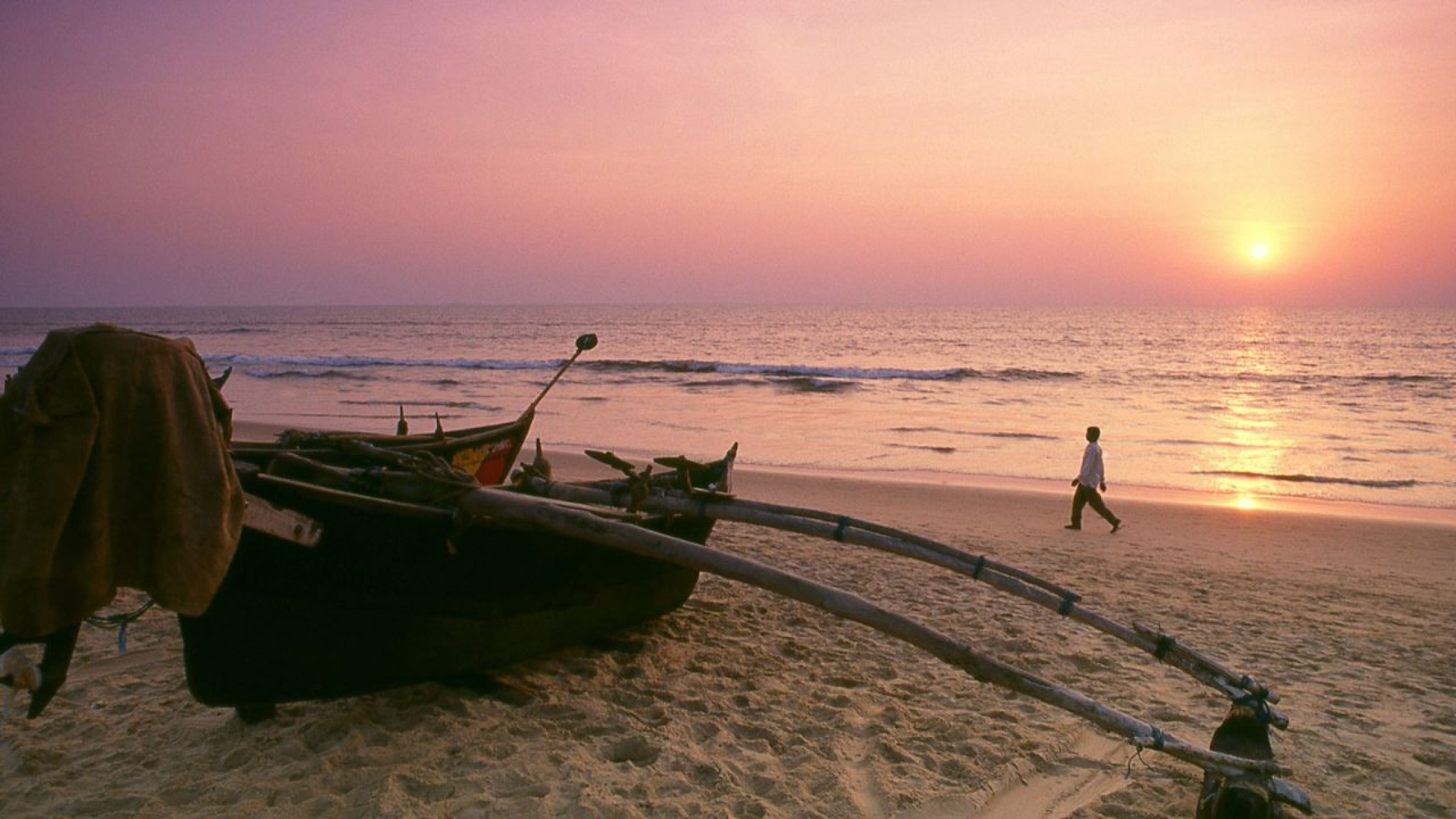
At 7 in the morning, the beach is already awake. Someone is walking barefoot along the shore, a fisherman is bringing in his morning catch, and a few others are sitting with cups of tea, watching the waves come in. A little further away, the roads are beginning to fill, shops are opening, and the first buses of the day are making their way through the traffic. It is an ordinary morning in Goa, but for someone who has just moved here from a city, it is a very peaceful beginning to the day.
However, there is a strange contradiction in Goa today, and the complaints are easy to find. Rent is expensive, daily expenses have gone up, roads are busy, public transport remains a concern, and finding a reasonably priced home can be difficult. Yet, people continue to arrive. Some come for a holiday and return again and again, while others arrive for a few weeks and eventually make Goa home. Thus the question persists: what is it about the state that continues to pull people in?
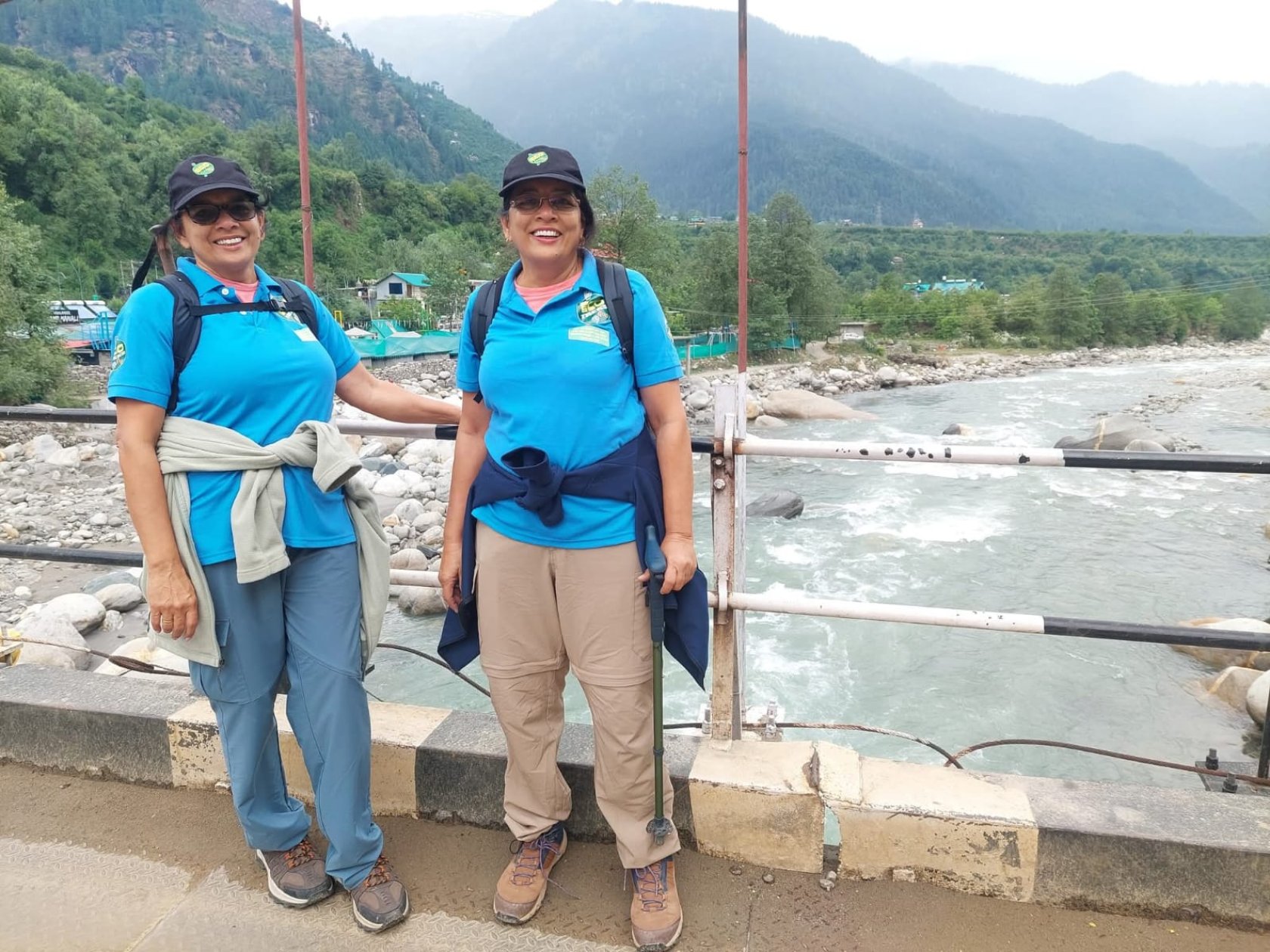
For many, it is still the simple things. The sea is never too far away, greenery is part of the everyday landscape, and life can feel less hurried than in larger cities. Peter Singh, who has made Goa their home, has a reason that goes beyond the usual slow pace of life and the sea. “My wife Neeno got chronic leukaemia, her lungs got damaged, and the pollution in Delhi meant she had to be on a nebuliser and steroids all through winter,” he explains, adding that her doctor advised her to move out of Delhi for the winter. When they had visited Goa for a family function back in 2010, they witnessed the culture, ambience and the beaches. “We fell in love with it! My wife loves to swim in the calm waters of the South Goa beaches. We eventually moved there in 2013,” he states.
Thus, a morning walk by the beach, an evening at a local market or simply sitting outside a small café can become part of a routine that people are willing to pay a little more for. Goa's appeal, however, has long been about more than its beaches. Its villages, churches, temples, festivals, food, music and mix of cultures give the state a character that is difficult to recreate elsewhere. Even when the cost of travelling has increased, people are willing to spend because they are looking for experiences. “We also see a growing number of travellers who are willing to spend more on meaningful and authentic experiences rather than simply ticking off the usual tourist attractions,” remarks Arishma Gomes, Senior Marketing Executive of Soul Travelling.
For younger people, particularly those who can work remotely, Goa also offers a combination that many cities struggle to provide. Work does not necessarily have to mean being surrounded by traffic, concrete and office buildings. A laptop, a reliable internet connection and a suitable place to work are all that is needed. For Sanya Mehra, the move to Goa happened during the lockdown. “My office gave me the option to work from home. While the shift wasn’t the easiest, at least I get to actually watch the sun every day,” she adds with a laugh.
The continued tourist numbers show that the attraction has hardly disappeared. Yet, the Goa people today choose is not necessarily the Goa that older generations remember. However, even after choosing to visit or reside in Goa, Akshay Amrut Volvoiker, an ambassador of Mangrove Biodiversity and the face behind Goa.say.memes, observes that people still often tend to miss the village side. Yet he believes that the biggest conversation Goa needs to have is about value, not just price. “People are understandably questioning why Goa has become expensive, but I think we also need to ask what kind of people we want in Goa. Goa shouldn't try to compete only on being cheap,” he states
Thus, despite the inconvenience, people stay. Perhaps that is because Goa offers something difficult to measure on a price list. For one person, it may be the freedom to spend a Sunday at the beach. For another, it may be the familiarity of village life, the sound of a church bell, a local feast, a plate of fish curry rice, or an evening spent watching the sunset. For someone who has moved from a crowded city, even the possibility of having a little more space can be enough. While Goa may be more expensive, crowded, and complicated than the Goa they first imagined. Yet for all its changes, it still offers something many people continue to search for: a life that feels a little less rushed. And perhaps that is why, despite all the reasons people have to complain about Goa, they still choose to stay a little longer.