


PANAJI
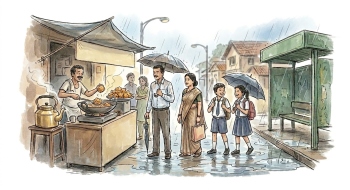
Puddles begin to form beside the roads, while food stalls line up selling the season’s favourites: onion bhajiyas and piping hot tea. Office-goers and school students alike often partake in this familiar monsoon ritual, wading through waterlogged streets for a taste of their favourite rainy-day snacks. The coughs, sneezes, and stomach aches often follow soon after. For many, they are the first signs of a seasonal illness setting in. Changing weather, cold winds, sudden showers, and tempting street food all play their part. Across households, the monsoon often brings a familiar cycle of cough syrups, doctor visits, and missed school or work days.
Waterlogging, high humidity, and reduced sunlight exposure can increase the spread of infections, particularly respiratory and gastrointestinal illnesses. Lifestyle changes during the season may also affect the body’s ability to resist disease, increasing the risk of illness. “Monsoon does not directly weaken immunity, but it creates ideal conditions for viruses, bacteria, and mosquitoes to thrive,” mentions Dr Neha Khadpe, a doctor from St Inez, Panaji. “The damp and mouldy environment can aggravate these diseases and infections,” she adds.
When mosquitoes thrive
As the rains bring waterlogging and stagnant pools of water, the risk of mosquito-borne diseases such as chikungunya and dengue also increases. These remain among the most common health concerns during the monsoon season, as stagnant water provides ideal breeding grounds for mosquitoes. “Half of the life cycle of the virus takes place inside the mosquito, so when the mosquito bites, it infects a person with the virus,” explains Dr Khadpe. Even a small collection of stagnant water can therefore contribute to the spread of disease. “Usually, when we get a case of chikungunya or dengue, the health centres are informed, and they inspect the surrounding area to prevent an outbreak. They also screen the area for stagnant water that could serve as mosquito breeding sites,” remarks Dr Khadpe.
Dr Amit Dias, MD, Assistant Professor in the Department of Preventive and Social Medicine at Goa Medical College, shares his observations. “While Goa has made significant progress in controlling malaria, dengue cases have shown a rising trend in recent years,” he mentions. Dengue and chikungunya are transmitted by the Aedes mosquito, which typically bites during the daytime. “Outbreaks often occur during intermittent dry spells within the monsoon season,” he observes.
Beyond dengue: The threat of Leptospirosis
“Apart from these, there is yet another disease, Leptospirosis. It is a serious bacterial infection and spreads through water which is contaminated with the urine of infected animals, particularly rats,” cautions Dr Dias. The infection commonly occurs during floods and waterlogging, when bacteria enter the body through cuts or abrasions on the skin. “The preventive measure for this is to avoid walking barefoot through flood water, use protective footwear when entering waterlogged areas, and cover cuts and wounds adequately,” he remarks.
Street food, contaminated water and gut infections
The monsoon’s charm often encourages people to spend more time outdoors, whether enjoying a walk in the rain or stopping by a roadside stall for a seasonal treat. However, exposure to contaminated water, damp clothing, and food prepared in unhygienic conditions can sometimes turn a pleasant monsoon outing into a health concern. There are several diseases, such as Typhoid, Cholera, Hepatitis A and E, etc, which are caused by contaminated water. Consumption of infected food can also cause Diarrheal diseases. “It is important to consume food that is freshly prepared and stored in hygienic conditions, as not doing so could lead to gastrointestinal diseases. Additionally, eating vitamin C-rich food is also crucial,” recommends Dr Khadpe.
Simple steps to stay healthy this season
Thus, across households, medicine boxes are restocked, herbal remedies make a comeback, and conversations increasingly revolve around fevers, allergies, and infections. While diseases caused by monsoons are aplenty, the ways to prevent them are simple. “To prevent mosquito-borne diseases, the stagnant water around homes and workplaces must be eliminated. It is also best to wear long-sleeved clothing and use mosquito repellents,” advises Dr Khadpe. Water-borne diseases can be avoided by drinking boiled or filtered water and consuming freshly prepared food. “The best way to remain healthy in this season is by maintaining regular hygiene, such as washing hands and keeping the surroundings clean. Even taking such simple precautions can go a long way,” mentions Dr Dias.
As people gather around plates of hot bhajiyas and cups of steaming tea, it is easy to dismiss health concerns. But amid the rain-soaked roads and cool breeze, a little attention to health and hygiene remains essential. After all, monsoons are best enjoyed admiring the rains outdoors rather than fighting an illness indoors.


