


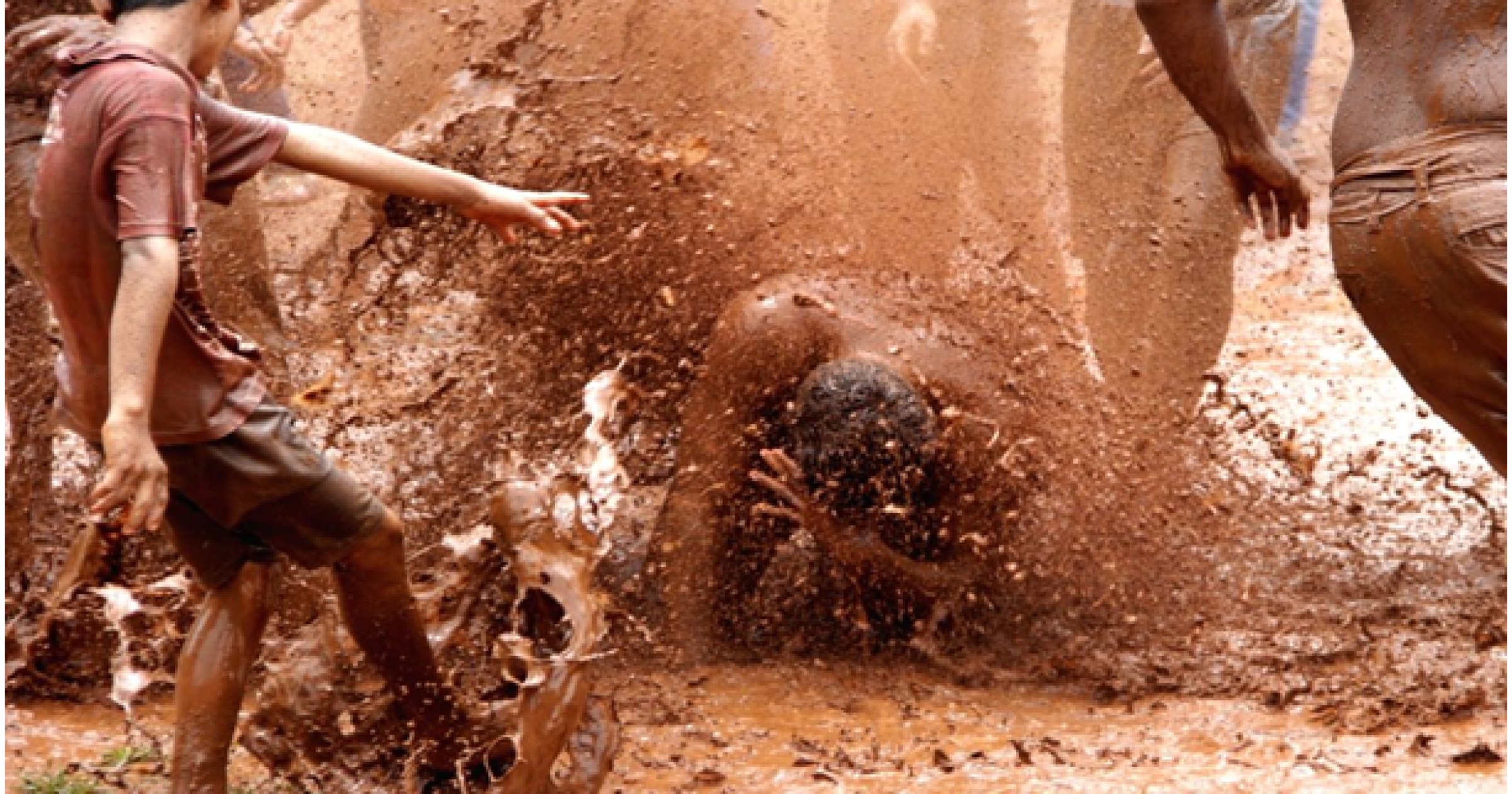
The smell of wet earth announced the arrival of rain. I took a deep breath as I looked skywards, feeling cool drops kiss my face. My senses drenched in that earthy aroma, I felt the quiet joy of revelling in the monsoons. As I slowly walked homewards, wet mud squelching beneath my flip-flops, I wondered why I had relegated savouring this earthen pleasure to a couple of months a year.
Come rain and I embraced the mud: trekking, descending into paddy fields with our children to transplant rice—though honestly, proving more adept at lightening plates of donne instead of the farmer's labour—and then showing up for the Chikhal Kalo festival at Marcel, where hundreds leap into the mud, revelling in a tradition hundreds of years old.
It made me wonder, at times like these, why do we jump into a muddy puddle more eagerly than Peppa Pig, but go to great lengths to avoid it through the rest of the year? Why does dirt suddenly stop heralding a zest for life and then become just dirt again?
A bit like when Cinderella’s magical coach turns back into a plain old pumpkin. Except in real life, the clock struck twelve ages ago—when we slowly started associating sensual experiences with just bath bombs, scrubs and scented candles. Gushing waterfalls were replaced by splash pools, playgrounds swapped for sanitised astro turf and dirt tracks through the woods substituted with paved pathways.
This estrangement from our natural surroundings came accompanied by the notion that being more civilised meant being less earthy, and hence every green patch became a resource to be landscaped or developed. There was a time when children grew up making the most marvellous mud pies, but now, far too often, they face constant dismay about getting dirty at play.
Early childhood educators are having to constantly remind parents that unstructured, messy environments foster not just immunity but also inventiveness and resilience. So let children do what they do best—roll around and frolic. Somehow, our idea of cleanliness has shrunk to compulsive sanitisation, which confuses hygiene with sterility.
This creeping discomfort with the natural world also reflects the growing mindset of nature as a curated experience rather than something we inhabit. We have switched our roles from participating to cataloguing: making exploration reels and uploading them on social media, or doing a cleanliness drive and then posting a status update. Environmentalism was never meant to be a show or a sacrifice; it is simply about loving nature and protecting it.
In ancient cultures, the ground beneath our feet was revered, signifying creation, healing and renewal. Ancient Egypt considered the mud of the River Nile sacred. As the annual floods retreated, the rich silt left behind rendered the land fertile, making people prosperous. In Japan, it is lauded through Doromatsuri—mud festivals celebrating rice harvests. In South Korea, the Boryeong Mud Festival honours agriculture and community.
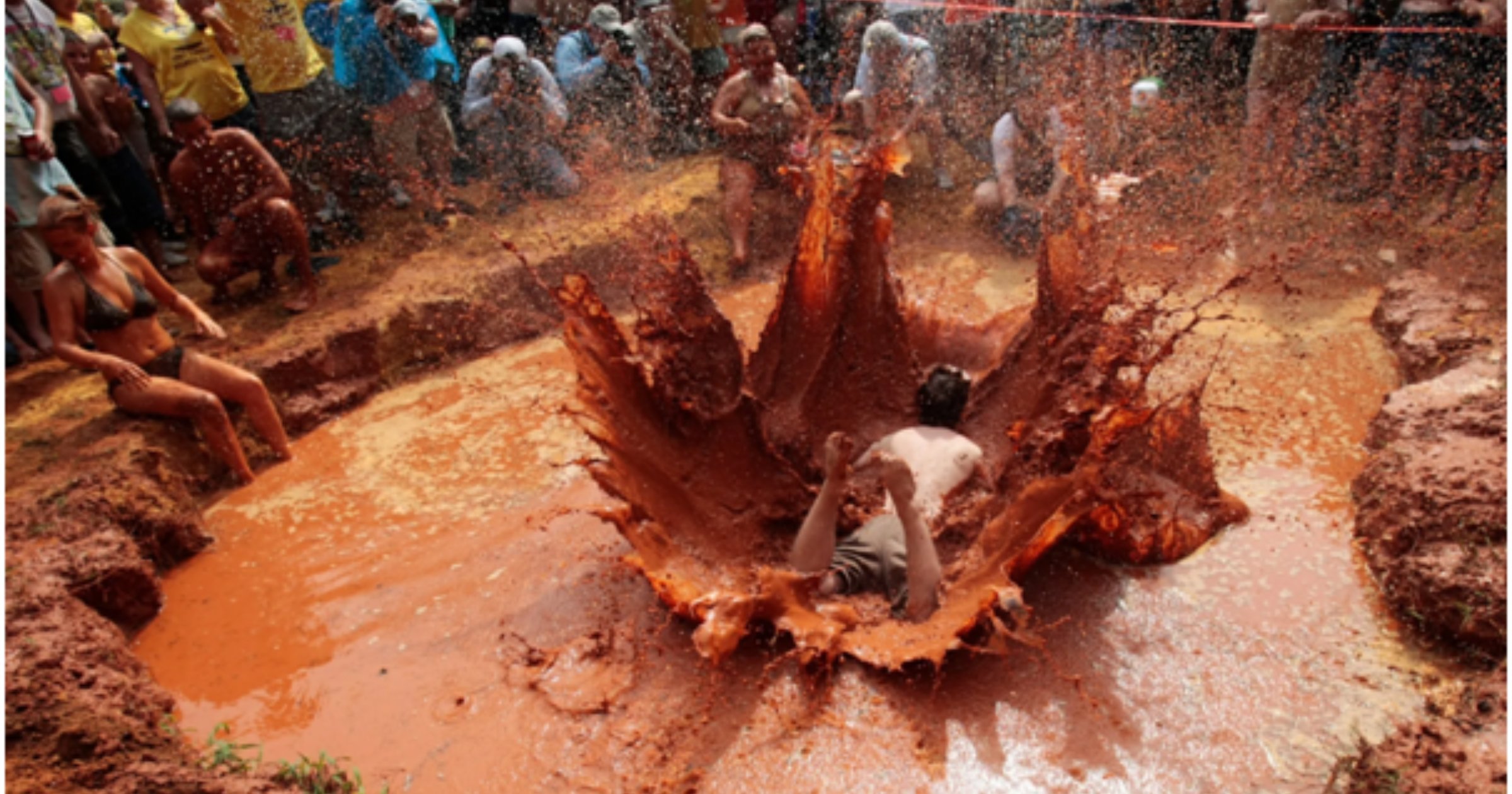
Across India, mud is venerated as “Prithvi,” meaning Mother Earth, and in Goa, Chikhal Kalo celebrates the relationship of the soil with its farmers and the wider community. Hindus memorialise Bal Krishna’s playful childhood through the festival by mirroring the games he played in the mud with his friends.
Islam reminds us that we were fashioned from clay and will finally return to it in death. A Muslim may pray on natural earth by placing the forehead on the ground, a telling symbol of not just humility before God but also the purity of the earth. Christianity invokes: Remember that you are dust, and to dust you shall return.
In a world where connection is becoming increasingly virtual and our surroundings ever more polished, Goans stop to enjoy one of humanity’s most primal connections: our bond with the ground beneath our feet—terra firma. Gathering as a community, we reclaim the joy of childhood through play and laughter.
Here’s what I find liberating about Chikhal Kalo: we all look the same—mud-splattered; feel the same—not a care, except whom to mudball next; and laugh the same—squealing out loud. There is no social order, just togetherness. It is a moment in time when the young and old are immersed in the same exhilaration and no one is left out.
It is a reminder that life is lived beyond the lens and experienced through the first language any human being learns—touch. An embodiment of cultural memory, it takes us back to our ancestors, who left their footprints on the very land we walk, and reminds us that however far we travel, we will always belong to our land.
To me, it is more than an observance—it is a movement for authenticity and a resistance to simply simulating life. It is about getting our hands dirty and living it up. It is an uplifting reminder that, in life, no lotus blooms without the mud.
At its heart, it offers me a joyful yet poignant reminder of our mortality. But before it becomes our final resting place, poet E. E. Cummings beautifully reminds us that the world is mud-luscious and puddle-wonderful.


