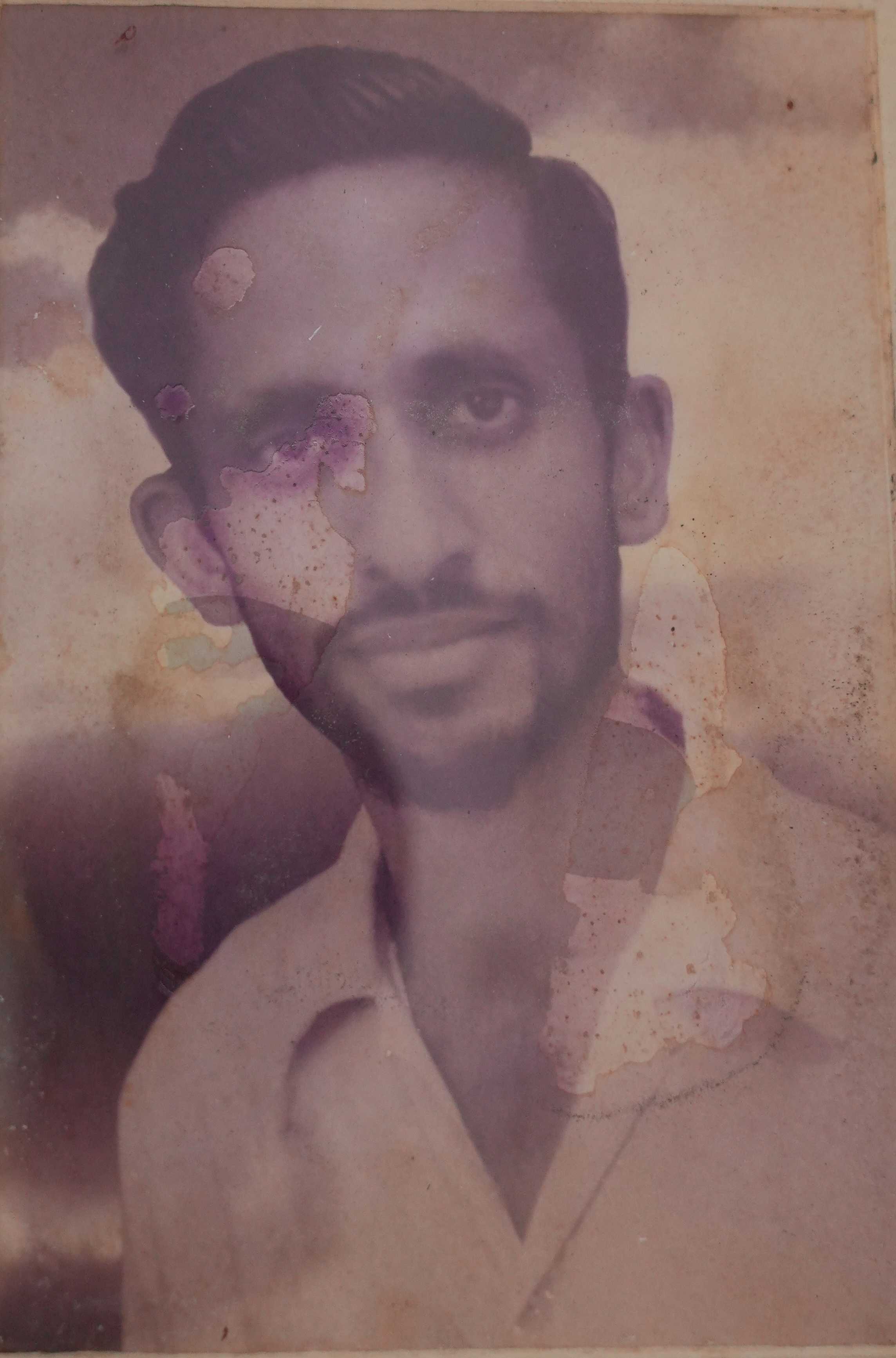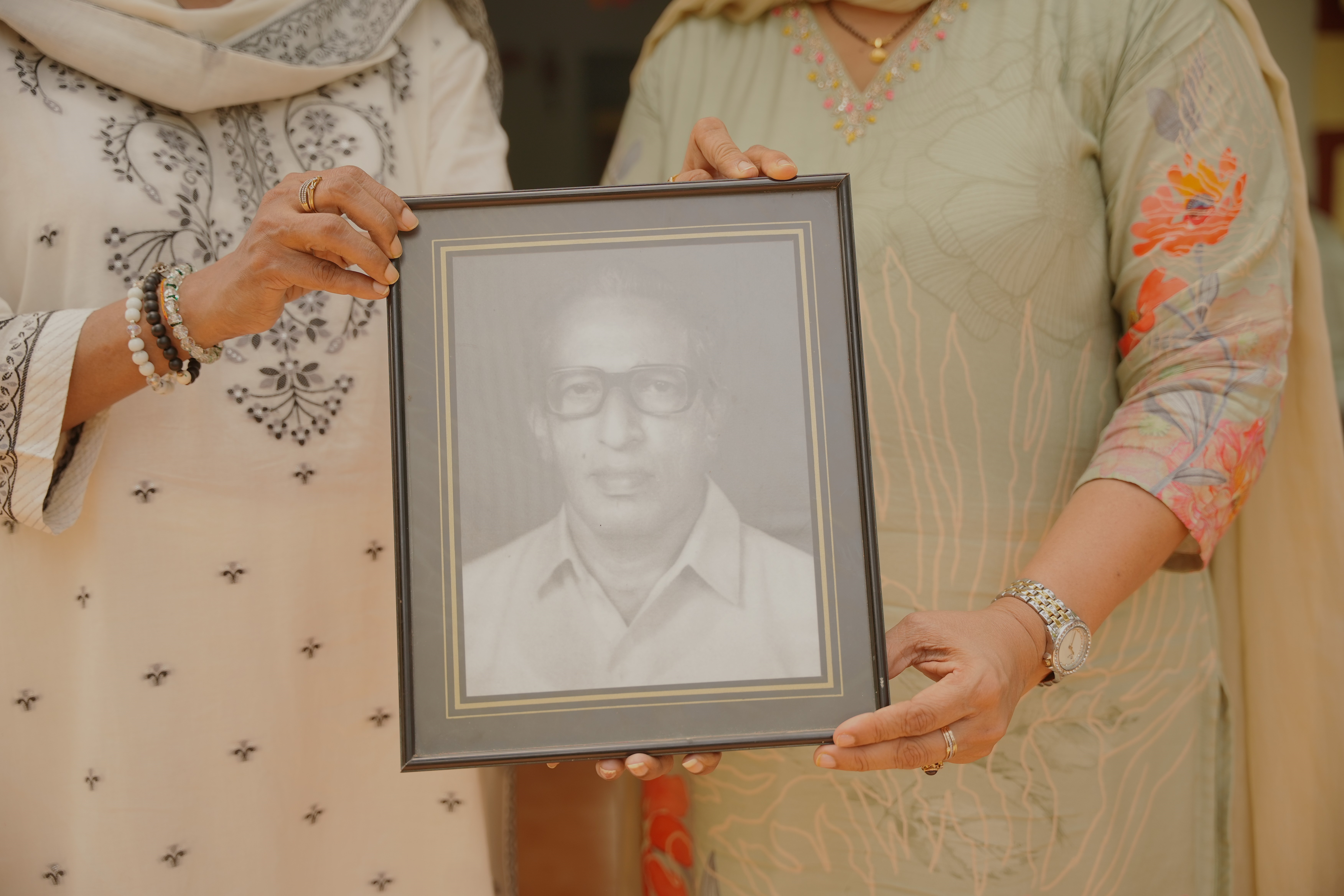
To his family, Narayan Palekar was much more than a freedom fighter. They remember a father who welcomed friends, colleagues and strangers alike into his home, a passionate reader who knew every corner of his personal library and a man who believed every individual deserved dignity and respect. Yet, behind those memories was someone who dedicated his youth to Goa's liberation movement and remained committed to the people and causes he believed in throughout his life.
Born on 23 July 1927, in Goa Velha under Portuguese rule, Palekar came of age as nationalist ideas floating in from the Indian mainstream began inspiring young Goans, still under the colonial yoke. Alongside Vishwanath Lawande of Agacaim and other activists, he travelled from village to village spreading the message of freedom through powadas and patriotic songs.
"They were teenagers when they stood up (to be counted)," recalled Pravin Sabnis, husband of Palekar's daughter Sandhya.
Influenced by Ram Manohar Lohia and local freedom fighter Shyamrao Madkaikar, Palekar joined the Goa liberation movement and was arrested in November 1946. He and fellow activists were beaten and publicly humiliated during the Saptah festival in Vasco. Forced to continue the struggle from Belgaum and Mumbai, he later adopted the surname "Palekar" during police questioning, choosing not to reveal his family's original surname, Chodankar, to protect relatives in Goa.
"When he was caught and asked his name, he said he was Palekar. He didn't want the authorities to trouble the family, and from then on, we became Palekars," Sandhya said.
The struggle demanded personal sacrifices. Family members say Palekar had resolved not to marry until Goa was liberated. Even his engagement reportedly took place while he was moving discreetly to avoid detection.
"He had taken an oath that he would not get married before Goa was liberated," Sandhya added.
Among his proudest achievements was helping liberate Dadra and Nagar Haveli in 1954 alongside Mario Fernandes, George Vaz and other revolutionaries. The operation freed around sixty hamlets in the present-day union territory from Portuguese rule. Electronic broadcasting equipment recovered there was later used by freedom fighters Libia Lobo Sardessai and Vaman Sardessai to counter Portuguese propaganda broadcasts and maintain resistance networks.
For Palekar and many others, Aguada Jail remained a powerful symbol of the freedom movement.
"Many freedom fighters would return there after liberation, particularly on June 18 and December 19. This was like a pilgrimage centre for them. Aguada Jail (now known as the Aguad Jail and Port Complex) has now transformed into a wonderful monument that records the names of these freedom fighters, including Narayan Palekar," recalled Pravin Sabnis, referring to the digital repository of Goa’s freedom fighters at the heritage complex in Sinquerim.
After Goa's liberation in 1961, Palekar devoted himself to trade union activism and public causes, including an eight-day hunger strike for Electricity Department workers. His brother Laxmikant Palekar recalled that he remained active until his final days.
Family stories recall Palekar's narrow escapes while underground, including hiding from Portuguese police beneath piles of arecanuts. Yet, long after he passed away in 2006, his family says, their fondest memories of him have little to do with politics.
"My grandmother always used to say that whenever daddy came home, he would come with eight to ten people for food," Sandhya remembered.
A passionate cook and a seafood aficionado, Palekar ensured no visitor left his home hungry. He encouraged education, valued equality and treated sons and daughters alike.
"There was no difference between a boy and a girl in our house," Sandhya said. "That's how he treated everyone."
As Goa marks Revolution Day on 18 June, Narayan Palekar's family remembers a man who never stopped working for the people and causes he believed in.