Dr RG Wiseman Pinto
Stroke, also known as Cerebrovascular Accident (CVA), is a serious medical emergency. Cases are increasing due to changing lifestyles. Although it usually occurs among the elderly, many young people are now affected. At Goa Medical College, around two to three patients with stroke report to the Casualty Department every day.
Stroke can leave patients with neurological deficits and impose emotional, psychological, social and economic burdens on them and their families. Some patients recover, particularly when they reach the hospital within the golden hour. Another condition, called a Transient Ischaemic Attack (TIA), produces temporary symptoms that resolve quickly.
There are two main types of stroke. Ischaemic stroke, accounting for approximately 80% of cases, occurs when blood flow to a part of the brain is blocked. Causes include thrombosis, atheromatous plaques, embolism and atrial fibrillation. Haemorrhagic stroke, accounting for approximately 15% of cases, occurs when a blood vessel ruptures due to conditions such as hypertension, aneurysms and arteriovenous malformations (AVMs). This may cause intracerebral, subarachnoid or intraventricular haemorrhage. The affected part of the brain is also important. Raised intracranial pressure and brain oedema may occur.
Stroke is more common among older people and males, particularly those with a family history or genetic predisposition. Major risk factors include smoking, excessive alcohol consumption, narcotics, uncontrolled high blood pressure, diabetes, high cholesterol and heart disease.
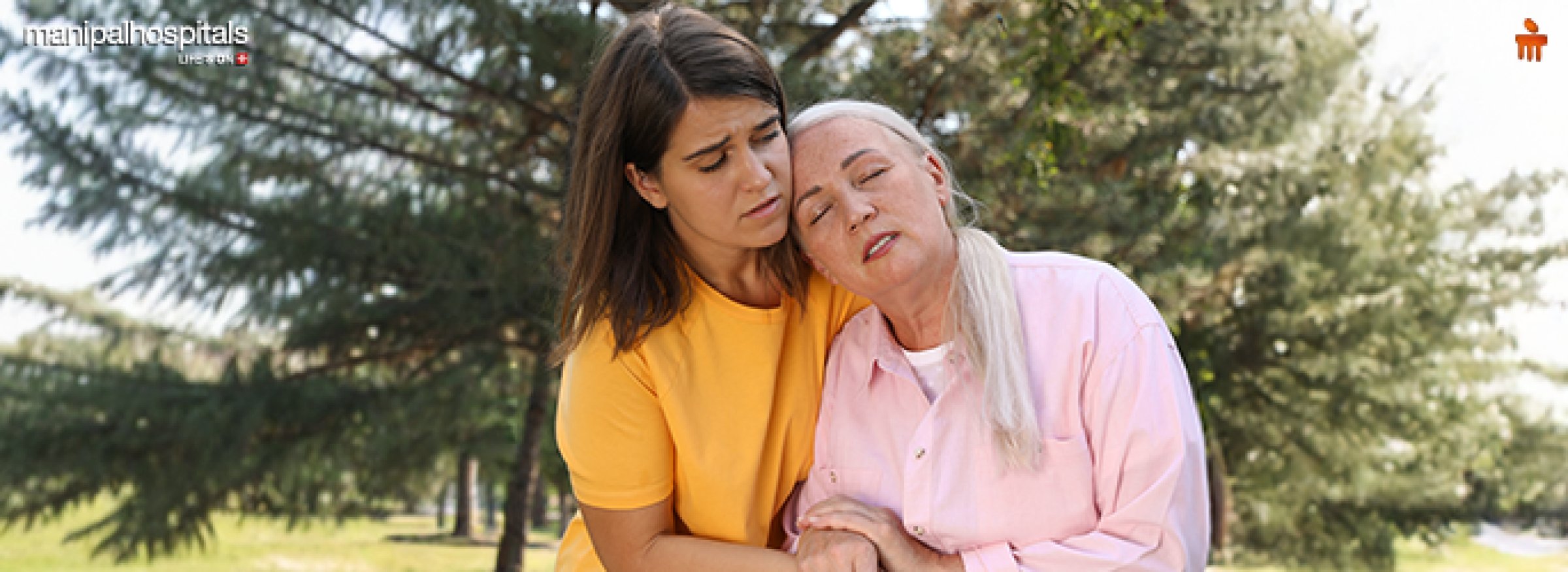
Recognising the warning signs is essential. Patients may experience loss of balance, dizziness, ataxia, slurred speech, weakness or paralysis. They may also develop loss of vision or double vision. Ask the person to smile or show their teeth. Drooping of one side of the face is an important warning sign.
A suspected stroke requires immediate medical attention. The patient's airway, breathing and circulation must be assessed and maintained. An ambulance should be called immediately to transport the patient to hospital. The patient must not drive. Every minute matters because delayed treatment can result in permanent brain damage.
At the hospital, investigations include blood counts, blood sugar, lipid profile, renal function, electrolytes, cardiac enzymes, electrocardiography (ECG), CT scans and MRI. Brain imaging helps distinguish ischaemic stroke from haemorrhagic stroke. After haemorrhage has been ruled out, eligible patients with ischaemic stroke may receive thrombolytic therapy to dissolve the clot and restore blood flow. Treatment is particularly effective when administered early, generally within the first three hours in appropriate cases. The precise treatment window depends on clinical assessment and imaging findings.
Women have additional risk factors, including pregnancy, the post-delivery period, eclampsia, oral contraceptive use, migraine, hormone replacement therapy and early menopause.
Stroke management involves specialists and super-specialists. Medical treatment is the mainstay, while surgery is required in selected cases. Complications include neurological deficits, urinary and respiratory tract infections, seizures, bedsores, falls and deep vein thrombosis. Physiotherapy and rehabilitation are important for improving mobility and helping patients regain independence.
Prevention remains the key to reducing the burden of stroke. A healthy lifestyle includes a balanced diet, adequate sleep, regular exercise and physical movement, stress reduction, remaining calm and drinking sufficient water. Smoking, narcotics and excessive alcohol consumption should be avoided. Good habits and regular medical check-ups can help identify risk factors early.
Periodic monitoring of blood pressure, blood sugar, cholesterol and heart health, along with appropriate blood tests and medical examinations, can help prevent strokes and reduce their complications.
Stroke can change a person's life within minutes. Recognising its warning signs, seeking immediate medical attention and controlling risk factors are essential steps towards saving lives and preventing disability.
(The writer is a Professor of Pathology, former Head of Department at Goa Medical College, former Dean of Goa University, and the current President of the Asian Society of Cytopathology)