Dr Anita Modage (Gunjikar)
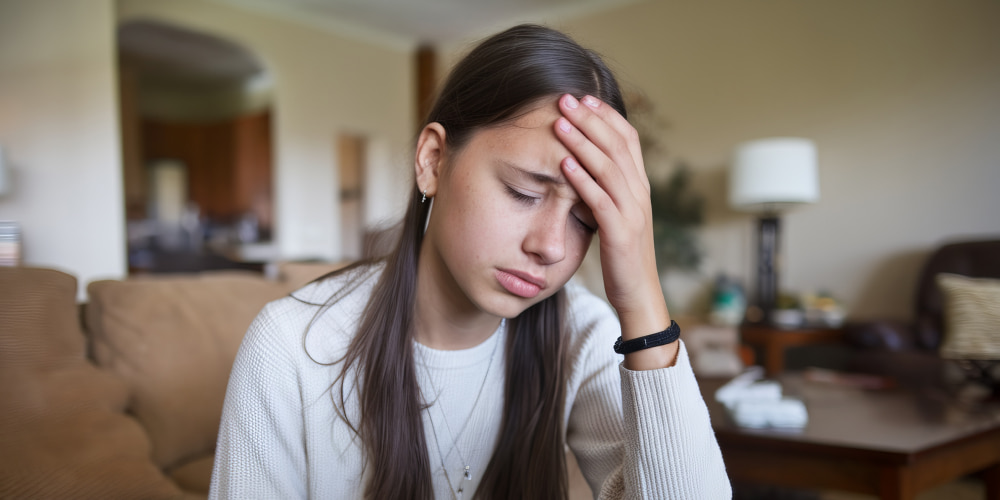
Not every headache is a migraine. A tension headache usually feels like a dull pressure or tight band around the head and often improves with rest. Migraine, however, is generally more intense. Children may complain of throbbing or pulsating pain, avoid bright lights or loud sounds, and experience nausea/ vomiting. Younger children may simply become irritable and prefer lying quietly in a dark room.
Although most headaches are harmless, certain 'red flags' require urgent medical attention and neuroimaging such as an MRI or CT scan to exclude serious causes. Parents should seek medical advice if a headache is sudden and severe, occurs repeatedly early in the morning with vomiting, or progressively worsens over time. Immediate evaluation is also needed if headaches are associated with weakness, vision problems, imbalance, seizures or sudden behavioural changes. These symptoms may indicate serious conditions such as a tumour, infection, increased pressure in the brain or intracranial bleeding.
Migraine is often linked to lifestyle factors and co-existing conditions including poor sleep, stress, anxiety, irregular meals, dehydration, excessive screen time and sometimes obesity. Sleep disturbances are especially common, and improving sleep habits can significantly reduce headache frequency. While eye strain may worsen headaches, vision problems do not usually cause migraines. Family history is also important, as migraines frequently run in families. A history of migraine, motion sickness or recurrent unexplained headaches in close relatives provides valuable clues during diagnosis. Comprehensive eye examinations and, in selected cases, blood tests may also be performed to rule out other medical conditions.
The earlier a migraine is treated, the better the response. During an acute attack, the child should rest in a quiet, dark room, stay well hydrated and sleep if possible. Over-the-counter medications such as paracetamol or ibuprofen are effective when given early and in age-appropriate doses. However, frequent use can result in gastritis, liver toxicity or medication-overuse headaches, where headaches become more frequent because painkillers are taken more than two to three times a week. Some children with frequent migraines may benefit from preventive treatments, including prescription medications or nutraceutical supplements such as magnesium, vitamin B2 or coenzyme Q10 as part of a comprehensive management plan.
Identifying environmental and dietary triggers is equally important. Common triggers include skipping meals, poor sleep, dehydration, excessive screen time, bright sunlight, hot weather, loud noise and irregular routines. Some children are also sensitive to chocolate, caffeinated drinks, processed foods or artificial flavour enhancers. Stress from school pressure, examinations, excessive homework or social situations is another major trigger. Helpful coping strategies include maintaining a consistent daily routine, practising relaxation breathing exercises, engaging in regular physical activity, yoga or meditation for older children, and cognitive behavioural therapy (CBT) when anxiety is significant.
Once treatment has started, a follow-up consultation after four to eight weeks helps assess progress. Parents should seek earlier medical review if headaches become more frequent, do not respond to treatment or if new neurological symptoms develop. Maintaining a detailed headache diary that records timing, duration, possible triggers and medication response is one of the most valuable tools for long-term management. Childhood migraine is a real and treatable condition, and early intervention enables children to enjoy healthy, active lives.
(The writer is consultant pediatric neurologist, Healthway Hospitals.)