On ground I Kurdi
Once upon a time... is how most fairy tales begin. In Goa, one resurfaces every summer. As Kurdi emerges from beneath the receding waters of the Salaulim reservoir, visitors stepping onto the exposed ground are greeted by an unexpected sight. Clam shells lie scattered across the mud, crunching softly underfoot. Their presence seems almost unusual in the middle of a village. Yet they are quiet reminders that for most of the year, Kurdi lies hidden beneath the water.
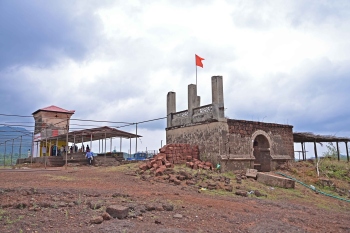
A lone structure of the Someshwar Temple emerges in the distance, watching over the ruins scattered around it. Though silent for most of the year beneath the waters, it soon becomes the heart of activity once again. This year, the Shree Someshwar Utsav will be celebrated on May 24. Before the devotees arrive, however, there is much work to be done. Walls need cleaning, steps require repairs, and pathways must be marked to ensure safe passage, and parts of the structure need a fresh coat of paint
Rebuilding a Festival, Reviving Memories
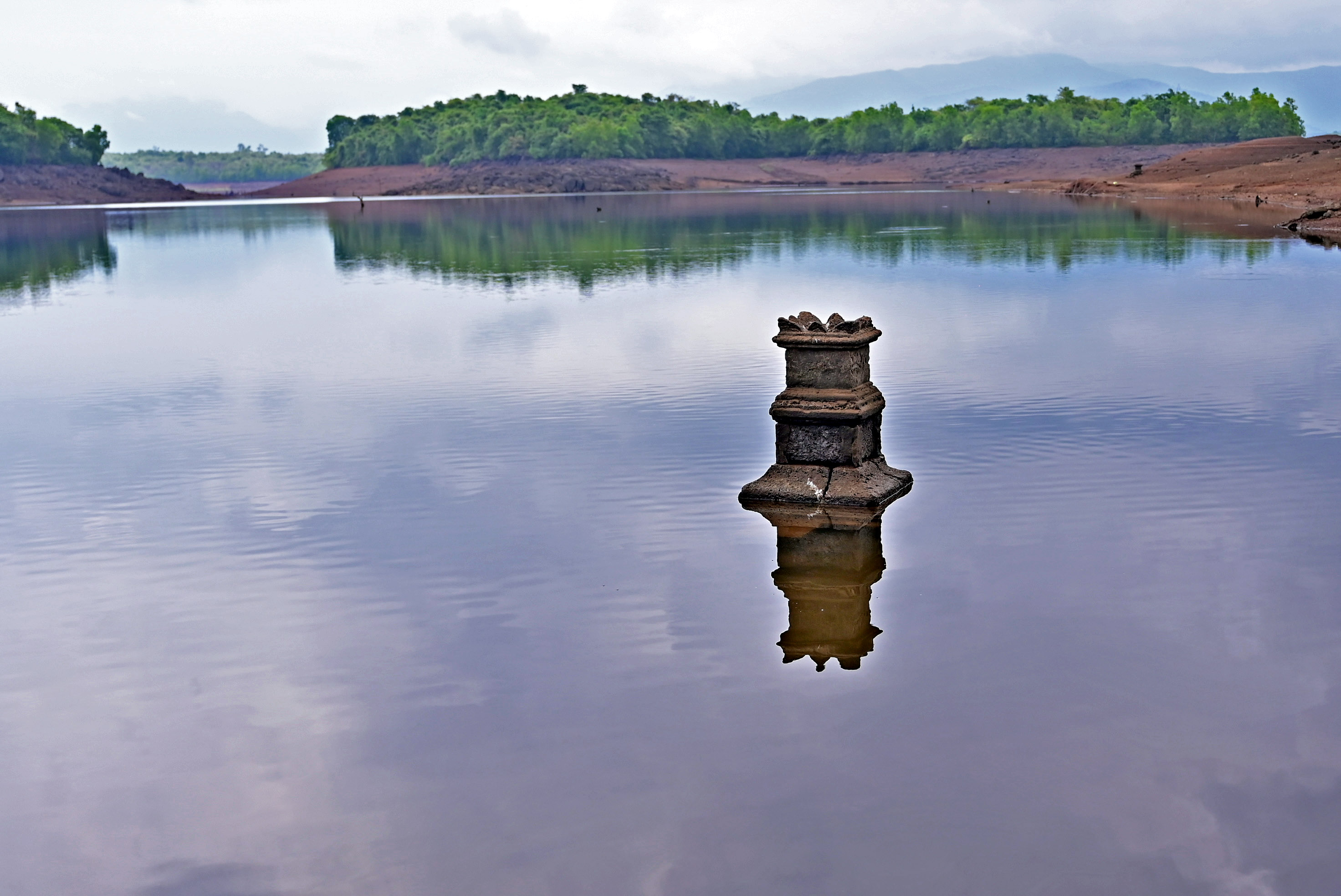
For a temple that spends months underwater, preparing it for the annual Utsav is no easy task. Without electricity and other basic amenities being available, the restoration depends on manual effort. Former residents note that after the dam project was proposed in the 1980s, electricity connections were never provided to the village.
In the 1970s-1980s, the then Chief Minister of Goa, Dayanand Bandodkar, envisioned the Salaulim Dam. Around 9-10 villages on the way to the proposed project were to be submerged by the reservoir. Most of the villagers were relocated to the nearby villages of Valkinim and Vaddem and provided with land. They have since spread across Goa and beyond. “When the rehabilitation happened, a question of faith arose. But I think it is only due to Lord Someshwar’s blessings that this area becomes accessible every summer, almost like a miracle,” remarks Ashok Phadke, a former resident of Kurdi.
“Previously, when the village used to resurface, this whole temple area was covered in overgrowth. We used to come on a bike, offer our prayers, and leave,” mentions Sudhakar Perni. However, one year, the villagers held a small programme, and that’s when they decided to remove the overgrowth and make it accessible again. The Someshwar Utsav is held annually on the third Sunday of May, when the waters recede, making it reachable again.
Life Before the Submergence
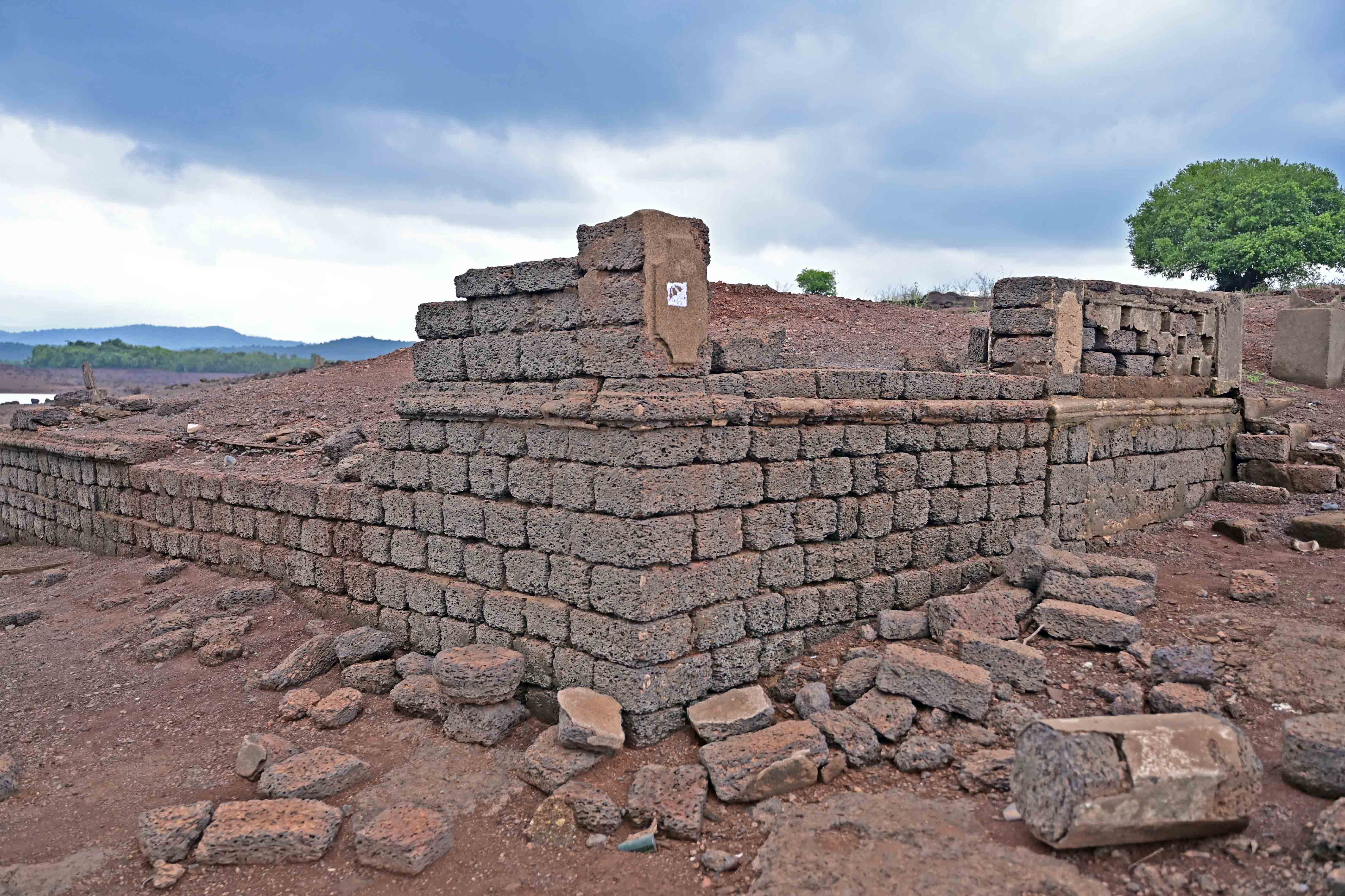
“The celebration this year shall begin first with the abhishek in the morning and aarti in the afternoon, followed by Mahaprasad. In between, there is a singing programme organised as well,” Perni adds. The former villagers recall the celebration of various other festivities as well. “Many festivals like Shivratri and Chaitra Punav were celebrated. On Dussehra, Dasryacho Kaool used to happen,” recalls Perni. “That ‘shezo’ which is there,” he adds, pointing to a dilapidated structure near the temple’s entrance, “is where the plays used to be performed. On the top floor, there was makeup and dress up, and the natak was below.” Yet another former resident, Gajanan Kurdikar, also recalls these plays. “We were usually given first preference for such programmes, Kurdikar Company, Velip, then our Mai, Mogubai Kurdikar. We used to have singing programmes too.”
However, as construction of the Salaulim dam and reservoir began, the way of life came to a halt. “We had two houses there, mine and another person’s. The other person got registered. I was not. We had to buy this land from the government and then build our house,” remarks Kurdikar, remembering the challenges of rehabilitation. “Later they did mention that amenities would be given...but it’s been 40-45 years now...nothing happened,” he adds, wistfully.
The villagers of Kurdi were simply living life as they knew it, not realising that their entire village would turn into a memory itself. “We were small kids at that time. Our high school was near that chapel,” mentions Phadke, pointing towards it. “I spent a lot of my childhood here. From swimming in the river to plucking mangoes off the neighbour’s orchard, our childhood was well lived,” he says, with a faraway gaze. “It was a typical village back then. Farming was among the main livelihoods, and people were hardworking. We lived in harmony,” Kurdikar recalls.
Kept Alive Through Memory
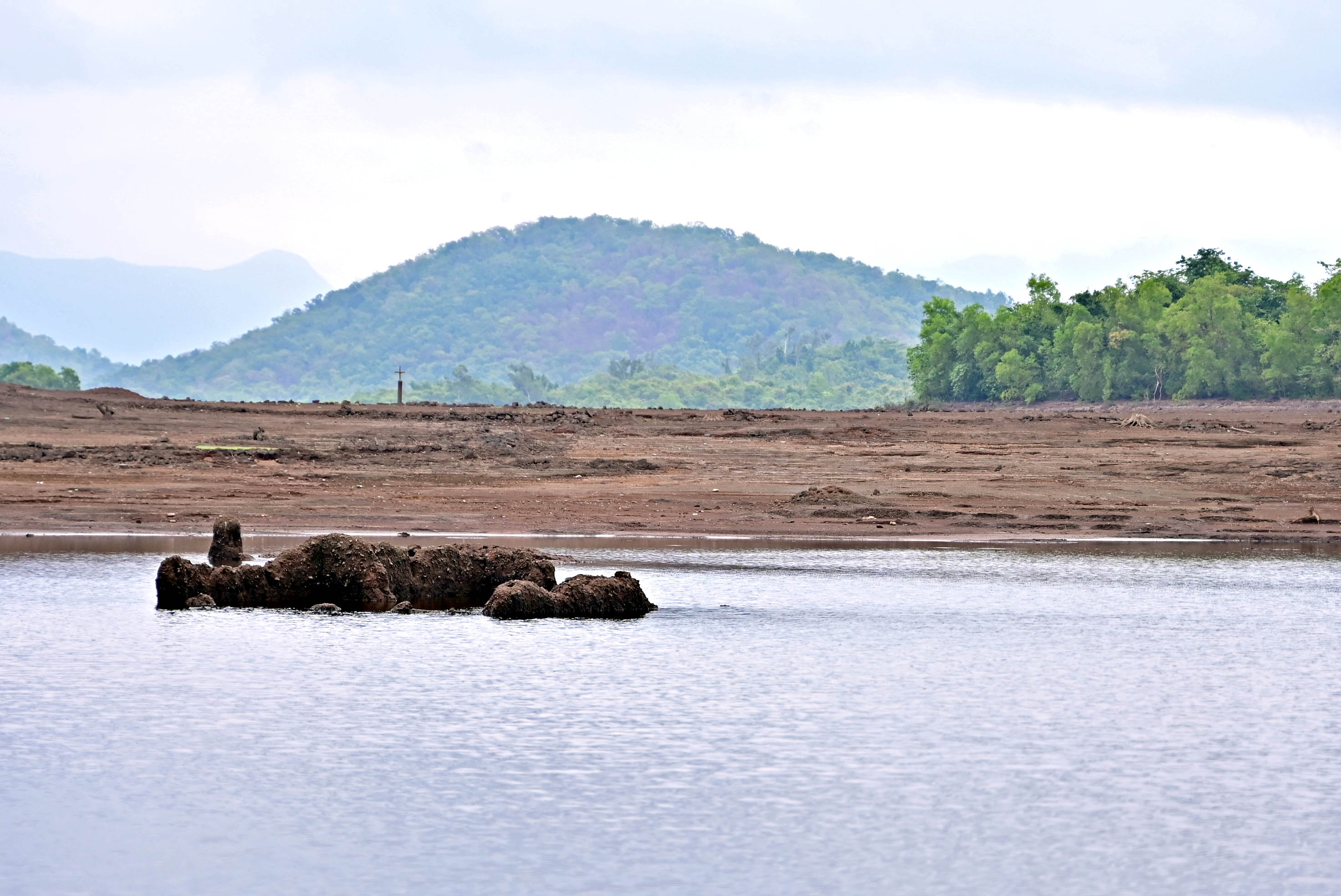
Every year during the Utsav, former residents get a chance to relive the past, if only briefly. “When someone has lived in a village for their entire life, they feel immensely connected to it,” says Phadke. For many, Kurdi survives through memories of childhood and community. The younger generation, however, knows the village only through stories told by their elders. “We feel connected because we lived here. Our children have only heard about it, so they don’t share the same connection,” remarks Kurdikar.
Unlike the ‘happily ever after,’ Kurdi is a “to be continued”. As the waters rise and the village prepares to disappear once more, its former residents leave with photographs, prayers, and memories old and new. Until next summer, the pathways will be submerged and the houses underwater. Yet as long as there are people who remember where the roads once ran and who lived behind those walls, Kurdi remains more than a vanishing village.