Take the coconut out of Goa, and you take away a little of what makes Goa, Goa. Search for the State, and chances are the first picture you see will be framed by swaying coconut palms. The humble madd is far more than a familiar part of the landscape; it is woven into Goa’s food, traditions and livelihoods. Little wonder it is called the ‘kalpavruksha’, or wish-granting tree. From its fruit and water to its leaves, trunk, and husk, almost every part serves a purpose, becoming everything from food and oil to cocopeat, coir, mats, and ropes.
That versatility is reflected in the way the coconut is woven into everyday Goan life. From coconut oil and handicrafts to its presence at celebrations, the ‘nall’ finds a place in homes, kitchens, and traditions. A coconut is often gifted or presented as a mark of honour at events, underlining its cultural significance. “I recently attended an event; even on their banner, the coconut tree is prominently placed,” remarks Alroy Gama of Goconuts, which serves fresh tender coconuts for various occasions, mainly nuptials. What began as a humble side business has since grown into a name familiar to many Goans. “For the future, I want to make Goconuts the Amul of India, but for coconuts,” he says.
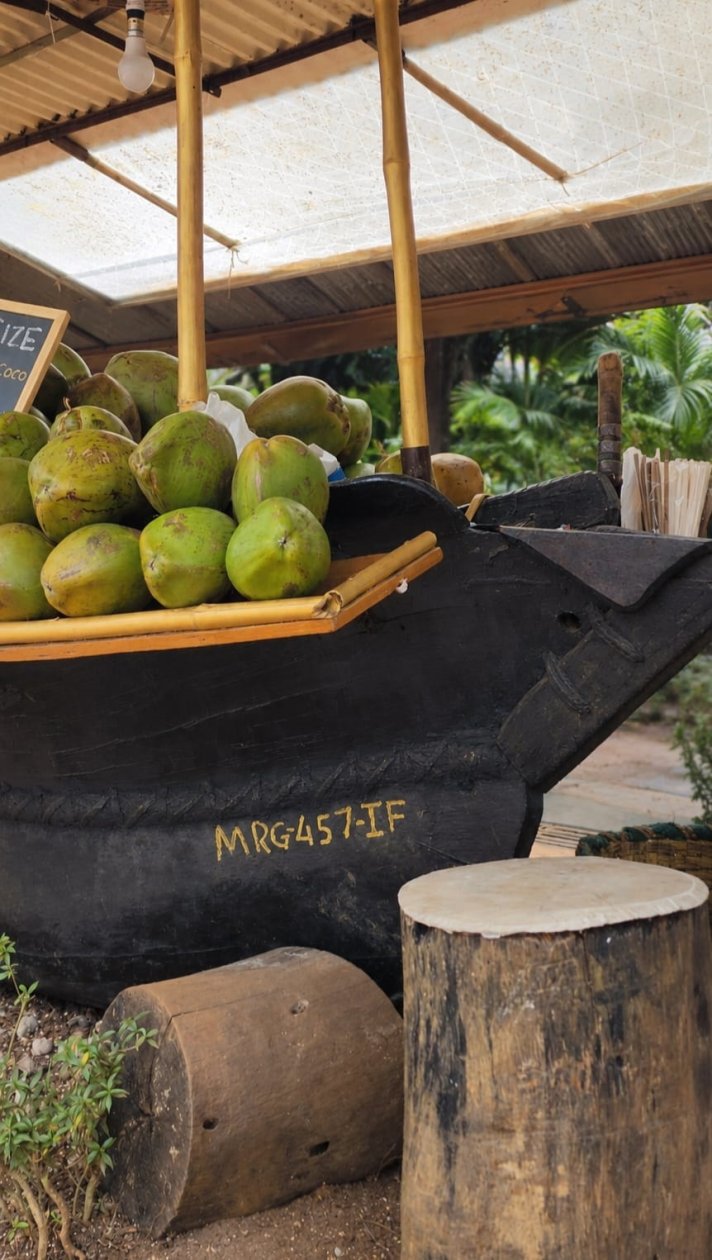
Gama’s journey began after he found an abandoned boat and decided to turn it into something fun. The initial period was challenging, with profits falling short of expectations, until a local political figure ordered coconuts for his daughter’s nuptials. That became the turning point for Goconuts. As for why he chose coconuts, Gama says simply, “I like coconuts.” He adds, “Plus, I always wanted to do something, so when I saw the tender coconut boom in my locality, I decided to get the coconuts and the boat together; you cannot get more Goan than that, right?” For Gama, the focus remains on offering premium tender coconuts. “In the end, it really is a tree of life; every day I am fascinated with what all one can do with coconuts,” he says.
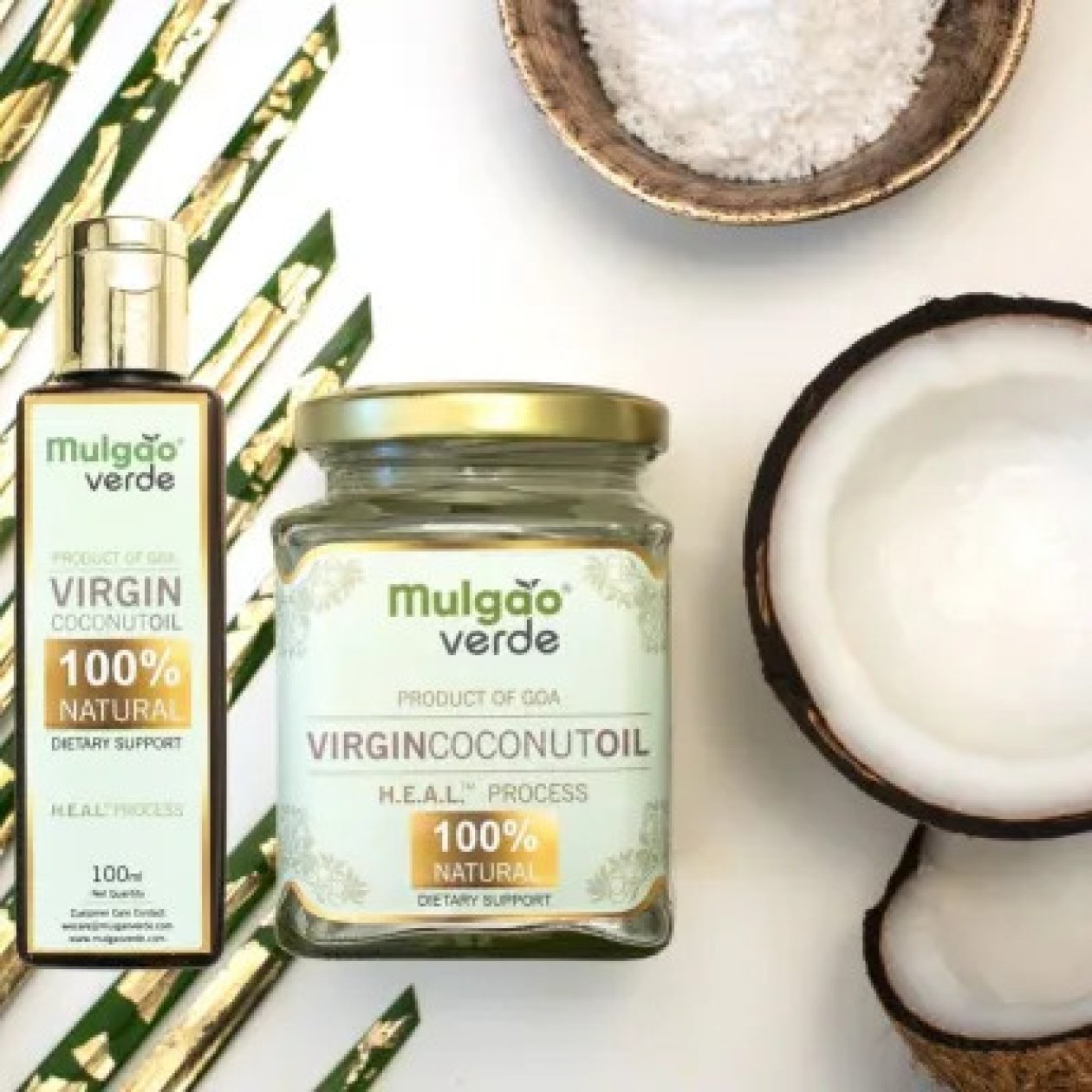
Beyond the tender coconut, which contains electrolytes, minerals and vitamins, processed coconut products have also found a growing market. Virgin coconut oil, in particular, has become an area of interest for local entrepreneurs. “Coconut touches our lives in every possible way,” says Rohan Olegario Nazareth of Mulgao Verde, which specialises in virgin coconut oil. “In fact, if you tell a Goan not to touch coconut for a week, they will cease to exist,” he adds with a laugh. Mulgao Verde prepares its virgin coconut oil through the H.E.A.L process. “We have trademarked it after spending four-plus years of research with some of India’s top scientists,” Nazareth says.
Having grown up near a coconut farm, he was familiar with the crop from an early age. The aim, he explains, was to create a high-quality product that consumers would not have to second-guess. “Many people confuse Coconut Oil and Virgin Coconut oil; we make Virgin Coconut oil, and it is a long process,” he explains. He points out that they also have experience tours at the coconut farm, while their products include Virgin coconut oil, desiccated coconut, and a protein. “We are trying to keep it as rooted to the place as possible; the entire unit is nearly zero waste, and we try to give maximum employment to the villagers,” he states.
In addition to the fruit having various purposes, the husk is not without its uses as well. Komal Khaparde Pritto, founder of Diakon Coir, mentions that the coconut definitely is a large part of Goa’s identity. Diakon Coir came up during the COVID lockdown. “We are blessed with so much.
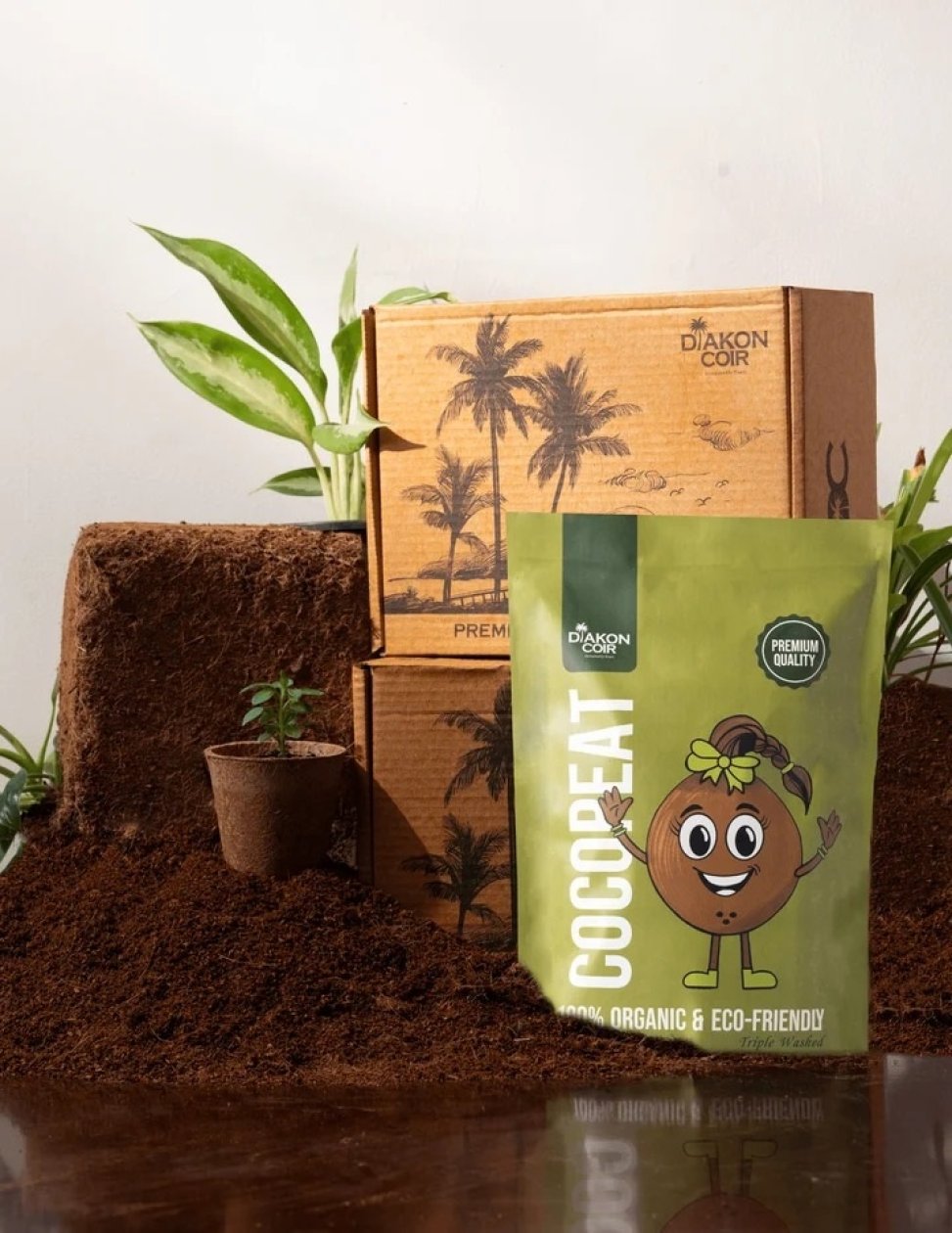
When lockdown happened, a lot of cocopeat came from outside, so when we wanted to shift to a sustainable business, we began this even as though the borders were shut,” she shares, stating that the local demand during lockdown encouraged them to venture further in this.
With tourism temporarily halted, Pritto and her family began exploring ways to survive. Her interest in gardening led her to search online for low-investment business ideas, eventually bringing her to the coir industry. She soon recognised an environmental problem closer to home. “I understood that it is a huge hazard in Goa; coconut husks are thrown out, and that also breeds mosquitoes, so it is important to discard the waste, including the shells,” she says.
The simple coconut is thus far more than a familiar sight along Goa’s coastline. It is a source of food, livelihood, tradition and enterprise, with almost every part finding a purpose. As local entrepreneurs explore newer ways of using the fruit, oil and husk, the madd continues to prove its versatility. Perhaps that is the true meaning of the kalpavruksha: a tree that has given generations of Goans almost everything, while asking for little in return.