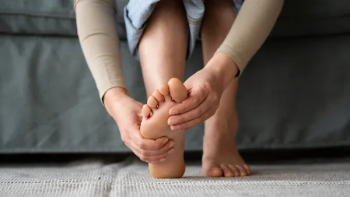
Our feet are complex structures that carry our body weight from our very first steps to our final walks in old age. Despite being the most used part of our body, we rarely consider the mechanical work going on beneath our ankles; each foot is comprised of 26 bones, 33 joints, and a dense network of muscles, tendons, and ligaments. This complexity allows us to navigate uneven terrain, run for a bus and maintain balance. However, this also makes them susceptible to several ailments, ranging from minor annoyances to chronic conditions.
Problems like plantar fasciitis, heel pain, bunions and flat feet are the most notable reasons patients seek help from orthopaedic surgeons. Each of these conditions has unique causes and long-term implications. Plantar fasciitis, for example, often manifests as a sharp, stabbing pain in the heel and is associated with high-impact jumping exercises or triggered by rapid weight gain and long hours of standing on hard surfaces. Also, conditions like bunions are often made worse by lifestyle choices ” prolonged use of narrow or high-heeled footwear that squeezes the toes. Flat feet or ‘collapsed arches’ are another common complaint, which can lead to alignment issues and pain reaching up to the knees and lower back.
While minor aches, fatigue and general soreness are expected after a long day, it is important to take note of symptoms that are more than just minor aches. Some red flags that warrant professional medical intervention include the feeling of numbness or a persistent tingling feeling, which could indicate nerve entrapment; if you notice a physical change in the shape of your foot that worsens over time; if your foot pain does not get better after two weeks of resting at home; or if you are unable to follow normal daily routine.
Typically, managing foot issues that aren't the result of a sudden accident begins with straightforward conservative care at home and lifestyle modifications. The simple routine of the PRICE method “ protection, rest, ice, compression and elevation “ helps reduce swelling and inflammation associated with heel pain, forefoot discomfort and medial or lateral ankle pain resulting from both fresh injuries and old recurring strains. It is also important to look at the bigger picture of your health with issues like being overweight, having diabetes, uncontrolled uric acid, sedentary lifestyles and wearing faulty footwear, which can all lead to foot problems.
Early intervention is the best way to keep moving as you get older. By engaging in physical therapy, using special shoe inserts, wearing a brace or custom orthotics, many people can avoid the need for surgical correction later in life. Conservative care is key, as is protection and rest. You should avoid activities that aggravate the pain. For deformities like bunions, this means opting for wide toe box shoes, while orthotics, a firm heel counter or arch supports can redistribute pressure and prevent the ‘collapse’ in the case of flat feet. For plantar fasciitis, stretching the calf muscles and the bottom of the foot is crucial.
In the end, our feet are our connection to the world. We can keep them healthy by choosing comfortable shoes with plenty of room for our toes, staying at a healthy weight, and paying attention to when they hurt or any visible changes. If you support your feet today, they will keep you moving for a lifetime.
(The writer is the consultant orthopedic surgeon and foot and ankle specialist at Healthway Hospitals, Goa.)