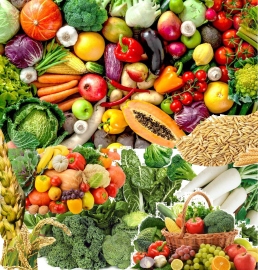
Many fruits, vegetables, and cereals grown today include less protein, calcium, phosphate, iron, riboflavin, and vitamin C than those grown decades ago, according to mounting data from numerous scientific research. If more individuals adopt diets that are mostly plant-based, as experts are increasingly advising for the sake of public health and the environment, this issue will become much more important.
The Journal of the American College of Nutrition's December 2004 edition featured one of the largest scientific studies to address this problem. Researchers at the University of Texas, Austin observed changes in 13 nutrients in 43 different crops, from asparagus and snap beans to strawberries and melons, using United States Department of Agriculture nutrition data released in 1950 and 1999.
Protein, calcium, and phosphorus, which are necessary for developing and maintaining healthy bones and teeth as well as for normal nerve function, decreased in these raw fruits and vegetables. Additionally, there were decreases in riboflavin, essential for the metabolism of medicines and lipids, and iron, necessary for transporting oxygen throughout the body. Vitamin C levels, which are crucial for immune system health and the formation and repair of several bodily tissues, also decreased.
Depending on the specific nutrients and the type of fruit or vegetable, the degree of reduction varied, but it typically ranged from 6% for protein to 38% for riboflavin. Iron level significantly decreased in chard, cucumbers and turnip greens, whereas calcium content decreased most noticeably in broccoli, kale and mustard greens. Turnip greens, collards, mustard greens, and asparagus all saw significant vitamin C drop. The iron content of sweet corn, red-skinned potatoes, cauliflower, green beans, green peas and chickpeas decreased by 30 to 50%.
Decreases have also been seen in grains. According to a study published in Scientific Reports in 2020, the amount of protein in wheat dropped by 23% between 1955 and 2016, and there were also significant drops in manganese, iron, zinc, and magnesium.
The worrying declines have repercussions for meat eaters as well. Meat and other products generated from animals are now less nutrient-dense than they were in the past because cows, pigs, goats, and lambs are being fed on less nutrient-dense grasses and cereals.
The storm
There are several aspects at play in the issue. By learning to grow plants bigger and faster, the plants aren't able to keep up with the absorption of nutrients from the soil or be able to synthesize nutrients internally. The nutrients that these fruits and vegetables generate are actually being diluted since higher yield requires the soil's nutrients to be dispersed across a larger volume of crops. Sadly, because farmers are paid based on the weight of their crops, this encourages them to make decisions that are bad for the crops' nutrient content.
The harm to the soil brought on by high-yield crops is another reason. Partnerships with important fungi improve the ability of wheat, corn, rice, soybeans, potatoes, bananas, yams, and flax to get nutrients and water from the soil. The fungi act as root extensions for the plant. The high-yield farming depletes the soil, which somewhat impairs the capacity of plants to associate with mycorrhizal fungus.
Increased atmospheric carbon dioxide levels are also reducing the nutrient content of our meals. All plants have photosynthetic pathways through which they absorb atmospheric carbon dioxide, break it down, and utilize the carbon to develop. However, more carbon dioxide exposure causes crops like wheat, rice, barley, and potatoes to produce more carbon-based compounds, which increases the amount of carbohydrates in the crop. Additionally, these crops require less water when carbon dioxide levels are greater, which means they require fewer micronutrients from the soil. Studies reported in Science Advances in 2018 proved that 18 different varieties of rice saw a decline in protein, iron, zinc, and numerous vitamin after being exposed to greater amounts of carbon dioxide.
Risk to public health
To be clear, fruits, vegetables, and whole grains continue to rank among the healthiest foods available, but consumers may not be obtaining all of the essential elements from plant-based foods. According to experts, if these nutritional losses persist, some people may be more susceptible to vitamin deficiencies or may be less able to prevent chronic diseases through healthy eating.
More than 30% of the calories consumed worldwide come from wheat and rice. A decrease in the consumption of protein, B vitamins, and micronutrients could have an impact on anyone whose diet is mainly based on these grains, especially low-income groups. Iron deficiency in women and girls could result from these dietary alterations.
Three billion people worldwide”the majority of them living in low- and middle-income nations”cannot consistently afford a healthy food, and at least two billion are missing essential micronutrients from their diets, leading to so-called hidden hunger. These folks are unable to pay for further nutritional losses in plant-based foods.
The solution
Regenerative farming, a comprehensive set of practices that can restore soil fertility, is one method for enhancing soil. These techniques result in crops with greater soil organic matter levels, soil health ratings, and levels of certain vitamins, minerals, and phytochemicals, according to a study published in Life & Environment.
The best solution is to minimize tillage, a method that causes mineral loss, and leave the soil alone as much as possible. By reducing weed growth and minimizing soil erosion, cover crops like clover, rye grass, or vetch can help. Additionally, changing the variety of plants produced in each field might enhance the nutrient content of succeeding crops.