For us Niz Goemkars, our natal fidelity with Goa is difficult to wash-off and that sense of belongingness is simply admirable, despite the raging debates on choosing our state benefactor between Parashuram and Goencho saib. The palate of a Goemkar will not forget 'khat-khate' and 'vindaloo', notwithstanding the glossy menus listing exotic dishes served by some ‘silly souls’ here.
I hold a profound sorrow that Goa has changed drastically, and many of us feel estranged in our own land today. This feeling of dismay merits a serious discussion, and a course correction at all levels to reinstate our Goan pride and reinvigorate our connect with this soil that our forefathers invested in selflessly, and in a spirit of common good. That camaraderie cutting across caste and creed, bringing people together to celebrate feasts and festivals in a spirit of a closely knit community, now only appears in melancholic narratives of few who are living to tell the tale.
So what exactly has changed about Goa is the question that we must attempt to find answers to.
So let us understand some gross changes that everyone who’ve had a few generations staying here, can see and feel from a Goemkar’s prism. We’ve come a long way from being a Portuguese colony of petrified local man and women subject to coercion and subjugation, to being a state of the Indian Union; through a brief interim status of union territory clubbed with Daman and Diu in proximity of the far away land of 'dhokla' and 'phahda'. Curiously, despite the notoriety of the inquisition, I know many even among the non-Christian faiths who vouch for the 'achhe din' of those times, when they say incomes were meagre, freedom was curtailed and yet there was rule of law. I have my own parents who have told me numerous accounts of how the crime then was very negligible for fear of prosecution and harsh punishment, and the stories of ‘16 coconuts being available for just one rupee’ have dilated my pupils wider than that of a cat in a dark room!
The self sufficiency of the village system ensured all could sustain themselves and their dependents. The sole posorkar of the village would cater to everybody’s needs, and in that ‘cash-starved economy’ when credit cards were yet to appear, all transactions were affected on trust, the credit to be cleared as per one’s convenience, but within reasonable timelines.
Gaunkari established a collective proprietary and ensured equitable share of efforts and profits in the agro-economy of the village. The vast coconut groves ensured regular supply of the indispensable ‘naall’ to households without feeding the greed of trade and export to foreign land for highly priced value-added ‘virgin oils’. This land was not invaded by the dwarf hybrid coconut variety from the neighboring states. Invasive pests, carcinogenic pesticides and soil damaging fertilizers were non-existent.
The Arabian Sea had enough fresh and tasty fish to make people’s meal delicious, sumptuous, and nutritious. There was neither any formalin nor fish mafia that flooded the markets with preserved fish beyond shelf life. During the rains; the village water bodies, paddy fields provided fish; and all the fish was dispensed in broad green leaves of local trees. Then our favourite banggdo, tallo and Visvonn were free of micro-plastics. Every village had the 'tinto', a quintessential micro-commercial hub of Goa’s rural landscapes visited by the men-folk for purchases of grocery, grapevine communication and gulping a quick glass of freshly distilled spirit.
The women eagerly waited for the fresh unadulterated ingredients to arrive home and then got busy cooking with great interest and ardor. Meals were served in time with all in attendance to sync with digestive juices pouring in the gut, so all that was eaten was well digested and Goa did not have gastroenterologists with roaring (or should it be burping) practice. The school-going kids and elderly empregado carried tiffins packed with home lunch and devotedly ate it, even praising the culinary prowess of their women.
The joy of ‘eating together as a family’ has vanished over the years in Goa, due to multiple excuses. The eateries, parties, brunches, luncheon meetings, fast food has destroyed that emotion of ‘bonding over meal’, once so common in Goan households. The online ordering apps have opened flood gates of a ‘dietary disaster’ that will usher in a pandemic of junk eating at exorbitant prices. On festive occasions neighbours were invited, greeted and served food. Today more legal notices are served to settle boundary disputes with neighbours, than serving to them ceremonial meals!
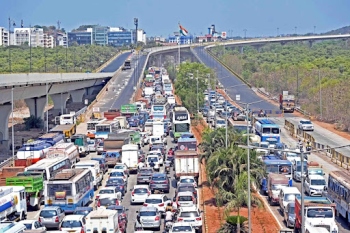
Then the jam packed buses rattling leisurely stopped for every single passenger along the way, as they coursed through the village roads by the fields, ensuring that no men and animals was hurt, and the passengers standing on each other’s toes, inhaling each other’s breath and sweat, sincerely paid their fare in exchange for a coloured ticket and requested the driver to stop the bus as near as was possible to their homes. Today we have SUVs gliding on six-lanes asphalted highways, safety barricades, traffic signals, interceptors, CCTV cameras, breath analyzers and an army of police on the roads, but it takes a prayer and tons of courage to reach our destination safely, without being ruthlessly mauled by ‘spirited’ drivers.
In today’s Goa; we have smart cities but insensitive citizens, an army of empowered bureaucrats but large section of frustrated citizenry, disproportionately huge forest brigade for a small state but fast disappearing forests and wildlife, strong posse of trained police but rising graph of crimes, extravagant eateries but malnourished youth, super-specialty hospitals yet accelerating infirmity.
While Goa must progress economically and get national and global recognition; its liberal ethos, demography, ecology, and socio-cultural fabric must not be tempered with, just to earn the tag of ‘first state in India’.