JOAQUIM GOES
Goa’s health minister has made regular visits to government hospitals across the State, drawing attention to the standards of care expected of our public healthcare institutions. Such inspections are welcome when they uncover shortcomings and lead to meaningful improvements.
But the larger challenge extends beyond identifying what is wrong. It is about reimagining how our hospitals function, how healthcare reaches every community and, ultimately, how we can prevent illnesses before they require medical attention.
It would be unfair to overlook the minister’s tremendous achievements. Expanded specialist services, improved diagnostics, a modern cardiac facility, and chemotherapy closer to patients’ homes represent real advances. Families spared long journeys have reason to welcome them. This progress deserves recognition, and it offers a foundation for more ambitious reform.
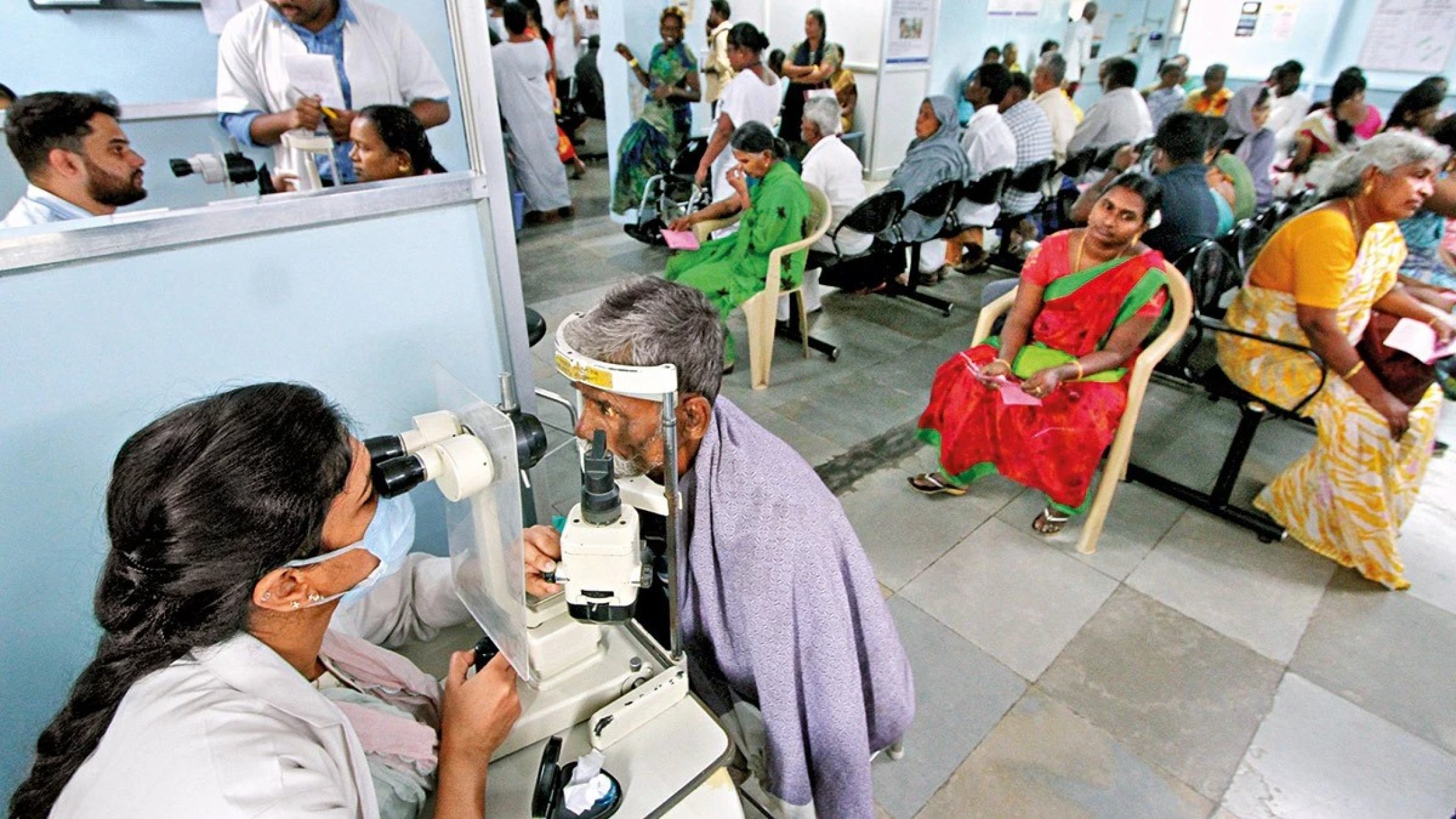
Despite all these gains, overcrowding, sanitation and maintenance continue to be persistent problems. In August, a patient recovering from surgery at Goa Medical College was reportedly bitten by a rat, drawing the attention of the Goa Human Rights Commission. A missing white coat is visible. The deeper test of a healthcare system is whether its wards are clean, its staff supported and its patients and families cared for with dignity.
The focus should be on transforming the everyday experience of patients. Goa has no shortage of intelligence or enterprise, especially among our youth. Why not put it to work?
The health department could join forces with the departments of industries and Goa University, as well as engineering schools, to launch a statewide healthcare innovation challenge.
Invite data scientists, AI start-ups, engineering and management students, and young entrepreneurs to propose workable solutions to the problems that frustrate patients: registration, appointment scheduling, long queues, referrals, medicine shortages and ambulance dispatch. Offer prizes, mentorship and seed-money-funded pilot projects, including telemedicine, and then expand those that deliver measurable results. Technology must serve patients, not the reverse.
A simple, integrated system could let patients book visits by telephone, online or through village health centres. It could send reminders, help staff anticipate busy periods and connect hospitals before referrals are made. Doctors and nurses must help design it, with patient privacy and clinical judgement protected. Management schools could also assess staffing, procurement and maintenance, while trained hospital administrators are held to clear standards for cleanliness and service.
The greatest dividends, however, may come from strengthening healthcare beyond the cities. Rural centres need reliable connectivity, essential medicines kept consistently in stock, basic diagnostic equipment and ambulances that are properly staffed, maintained and dispatched. An automated on-call roster could connect village health workers with an available doctor or specialist, including after hours, and ensure that emergencies are not lost in a maze of telephone numbers.
Doctors serving rural communities should be given extra incentives: housing, hardship allowances, professional development opportunities and recognition in career advancement. Teleconsultations and scheduled specialist visits can supplement local care. A dependable rural system would spare families unnecessary journeys and ease pressure on overcrowded hospitals.
Yet better hospitals can treat only the illnesses that arrive at their doors. Preventing avoidable illness requires looking beyond healthcare itself.
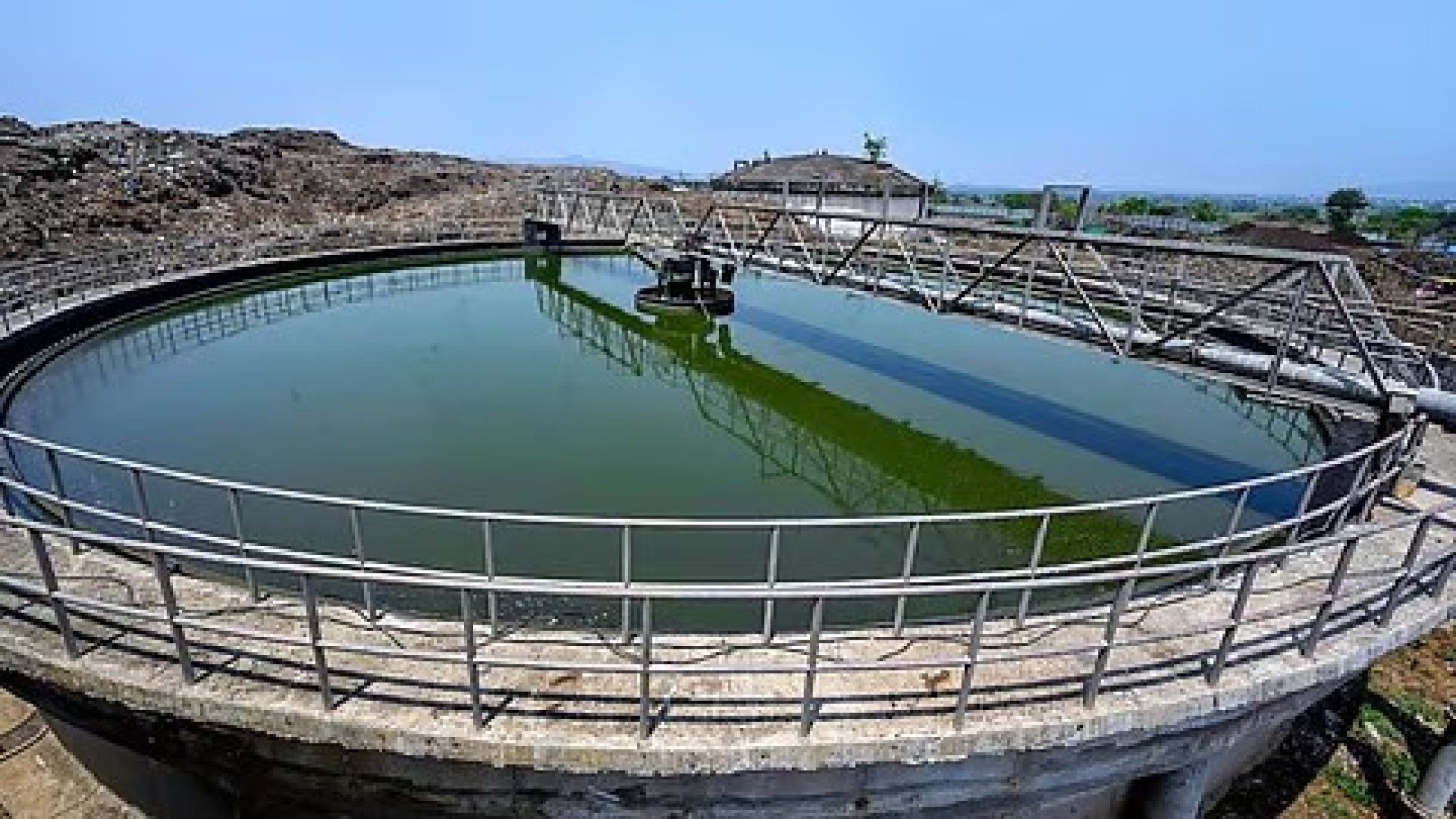
Here, the health minister’s responsibility for town and country planning creates an unusual opportunity, but also a difficult contradiction. Goa is investing in better medical treatment while planning decisions can place new pressures on the very conditions that keep people healthy. When approvals for mega-projects move ahead without adequate sewage treatment, drainage or water infrastructure, the consequences do not end at the construction site. They can reach wells, rivers, neighbourhoods and, eventually, hospital waiting rooms.
Poor planning can undermine even the best investments in healthcare. That is why the health and TCP portfolios should be working together, not at cross-purposes.
Complaints about wastewater infrastructure at a Dabolim housing complex and sewage around Mala Lake in Panaji and Comba in Margao, as well as pollution in the Sal River, alongside worrying findings of drug-resistant bacteria in the Mandovi by the National Institute of Oceanography, merit independent investigation. They do not establish that any particular approval caused a specific illness. They do show why public health safeguards cannot be left until after development is complete.
Major developments should demonstrate adequate water supply, drainage and sewage-treatment capacity before permission is granted. Treatment plants should be tested independently before occupancy and monitored thereafter. Groundwater results and compliance reports should be public, and planners should consider the combined impact of multiple projects. Commercial establishments and offshore casinos should face equally clear wastewater requirements.
Why not create a joint Health–TCP environmental health review with scientists, local authorities and public health specialists? It could examine risks to drinking water sources, recommend improvements and make the evidence available to residents, including those concerned about land conversions. Responsible development and good public health are not competing goals; each depends on the other.
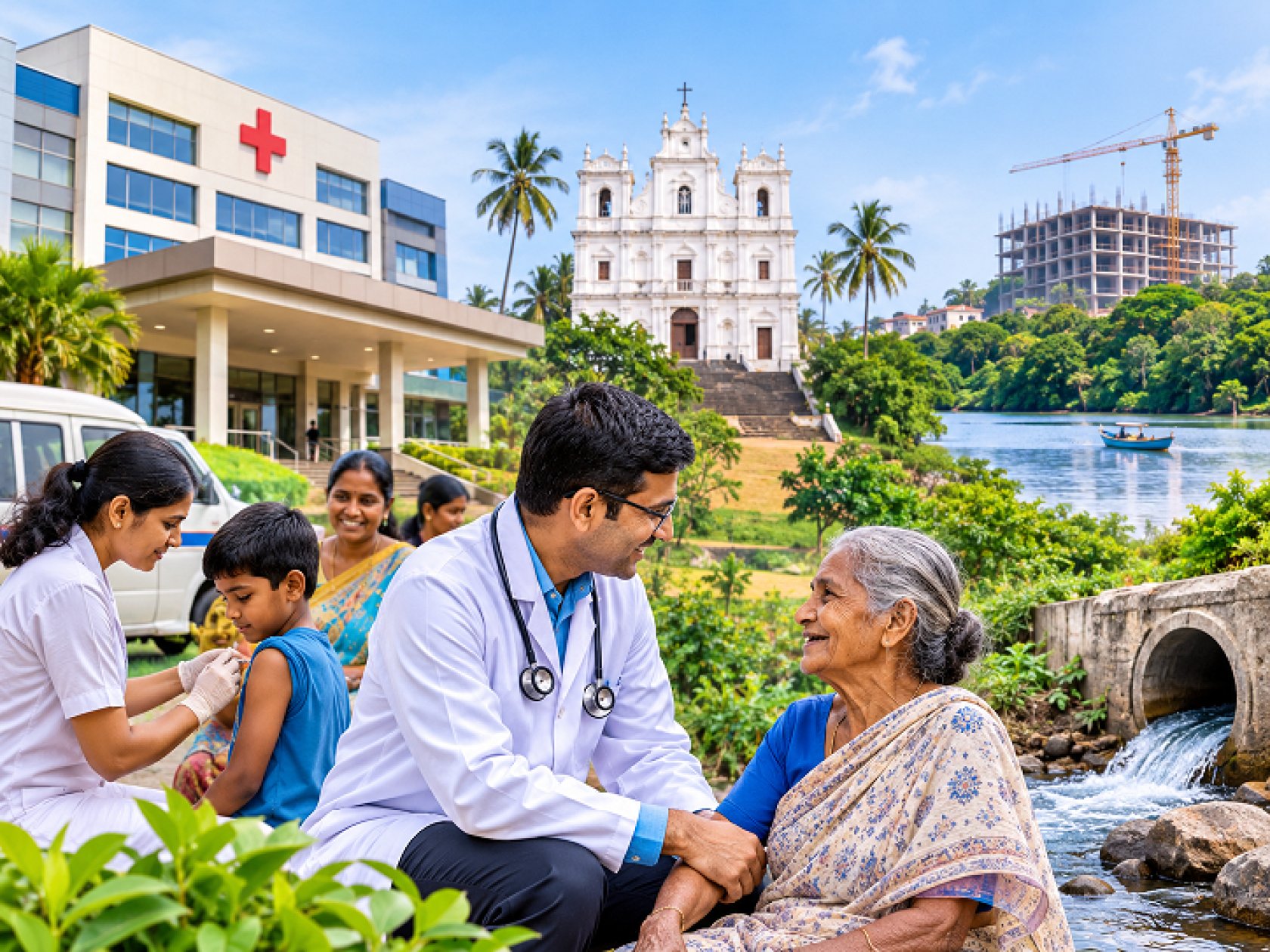
Public health does not begin at the hospital entrance. It begins with the water we drink, the air we breathe and the communities in which we live.
The minister has helped expand access to medical care. He now has an opportunity to connect those gains with better management, rural services and wiser planning. That would be a lasting contribution to a healthier Goa for which he will be remembered.
(The writer is professor at Columbia University in the USA who hails from Cortalim)