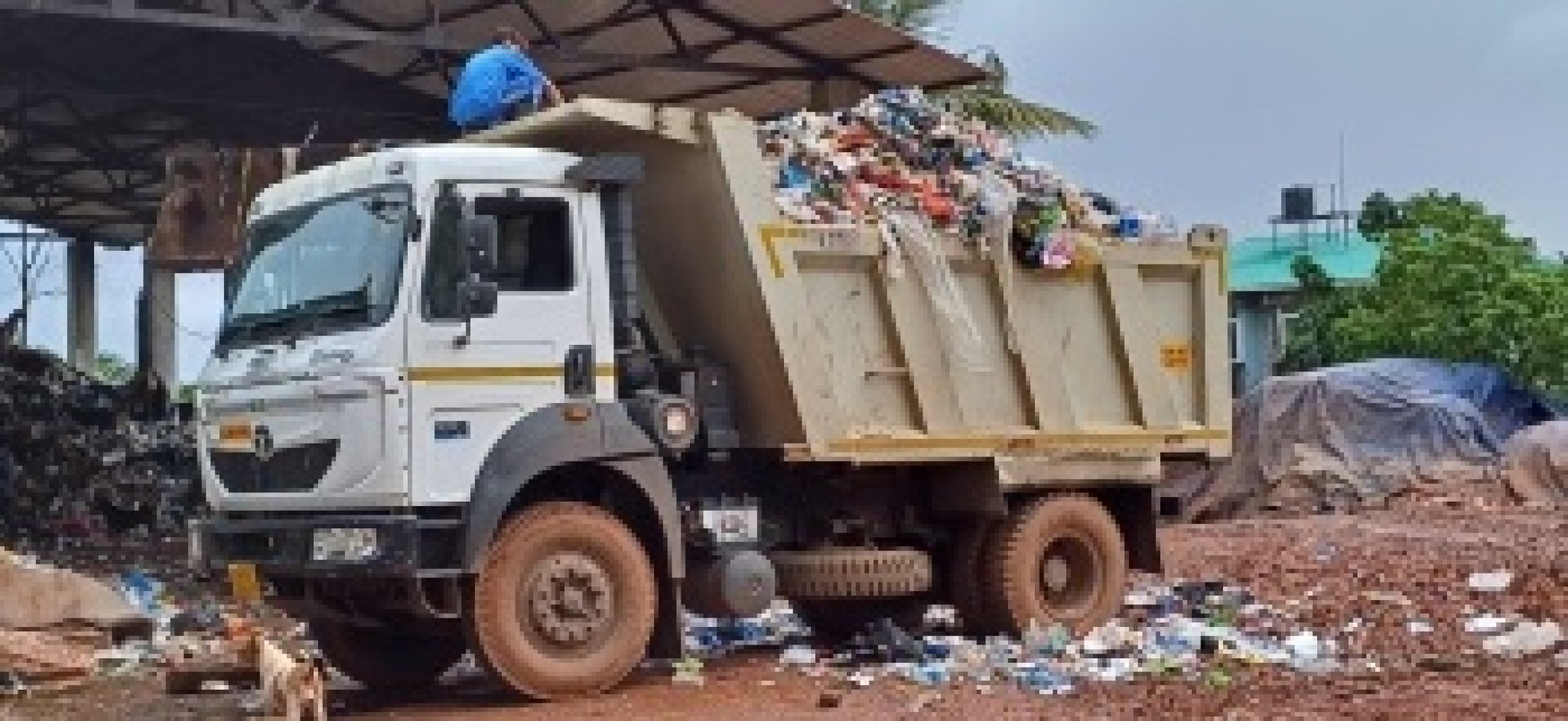
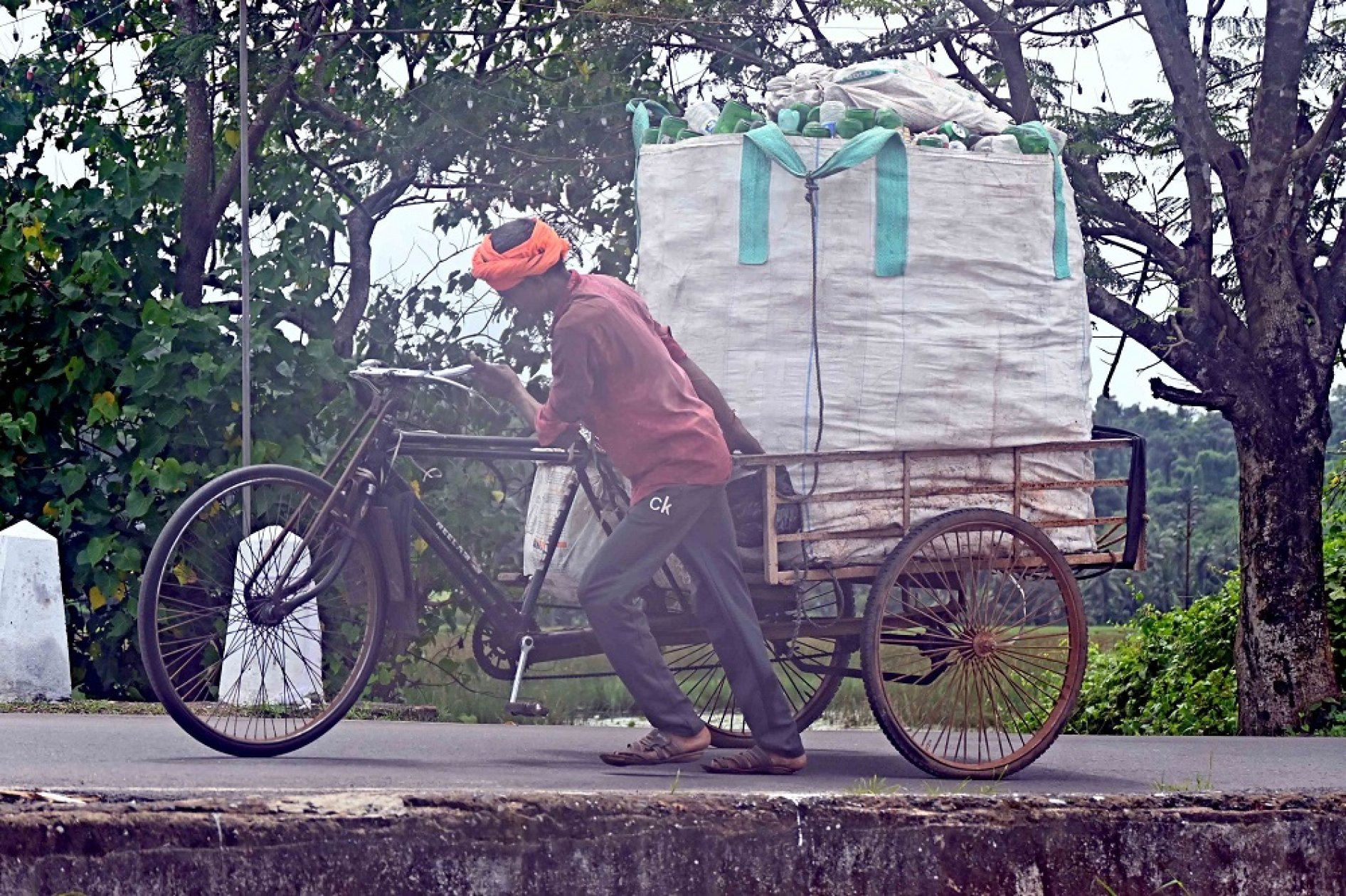
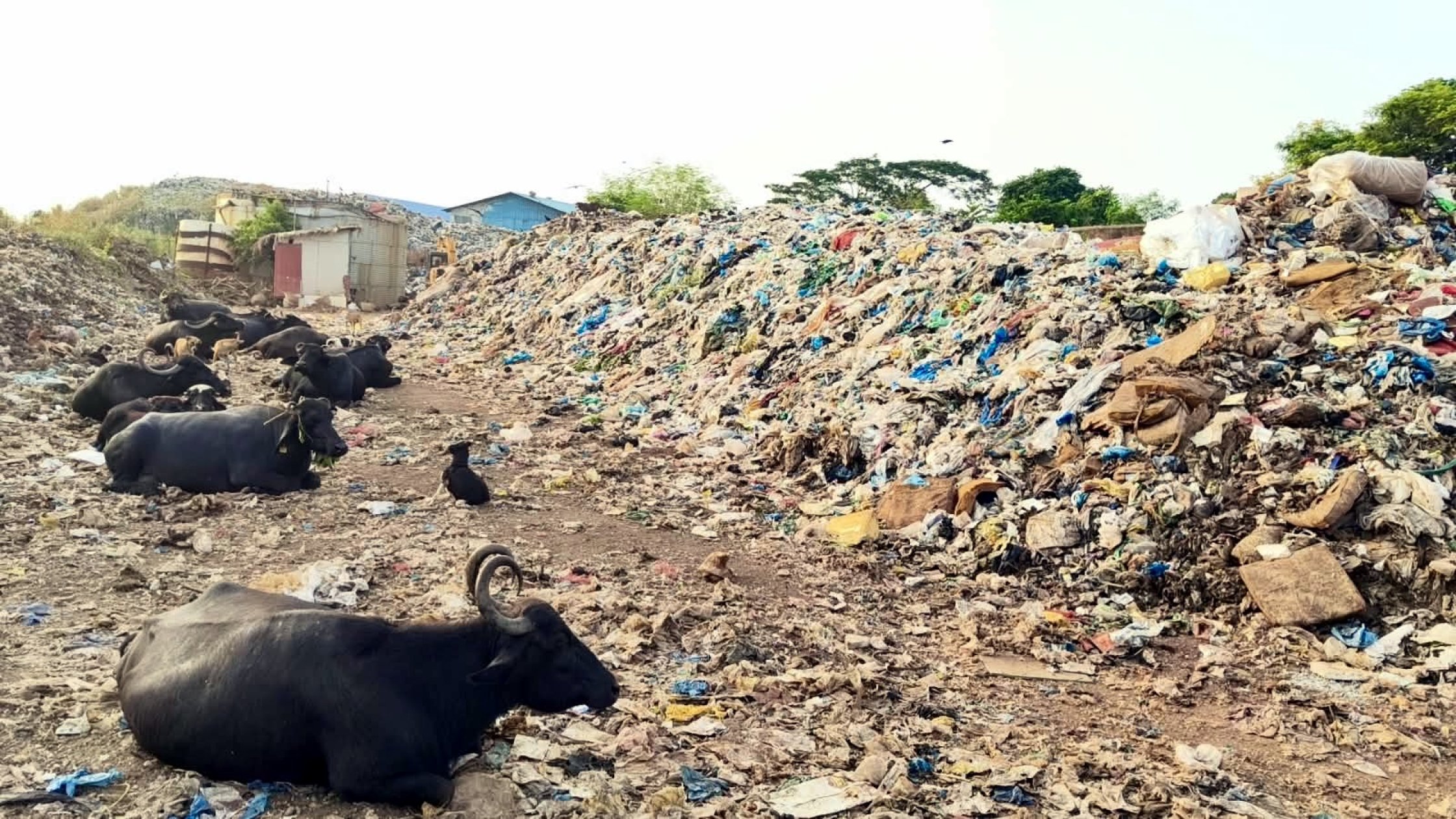
 Garbage is collected at the Mormugao Municipal Council’s facility at Sada, deploying windrow composting to manage the wet waste.
VASCO
When the Solid Waste Management Facility(SWMF) at Saligao shut its doors, Vasco faced a familiar nightmare waiting tohappen: garbage with nowhere to go, mounting pressure on municipalinfrastructure and the real possibility of fresh dumping spots emerging acrossthe town.
Yet, several days into the disruption, theMormugao Municipal Council (MMC) has managed to keep a lid on the crisis byusing its own facility at Sada to manage the waste.
Vasco and surrounding areas generate around18-20 metric tonnes of wet waste daily, with around two metric tonnes ofchicken and wheat waste handled separately.
The council has deployed windrow composting tomanage the wet waste. There have been no complaints about the currentarrangement, and the MMC has managed to avoid indiscriminate dumping of garbagein open spaces.
But keeping garbage out of sight is only onepart of the job. It must also be processed in a manner that does not transferthe inconvenience to residents around the facility. Windrow composting involvespiling organic waste into rows and turning it periodically to facilitatedecomposition. Disturbing wet waste during the composting process can releaseunpleasant odours, making effective management essential. The MMC has alreadyidentified odour-suppressing chemicals as a necessary measure to reduce smell.
Temporary fix,larger lesson
The episode raises a larger question about howprepared urban local bodies are for prolonged interruptions at centralisedwaste-treatment facilities. Maintenance is unavoidable, but waste generationdoes not stop for maintenance. Contingency arrangements must therefore becapable of handling the gap without leaving municipalities scrambling to findsomewhere to send their garbage.
For MMC, the immediate objective is to seethrough the Saligao shutdown without allowing the pressure to spill intoVasco's streets or become an odour problem for surrounding residents. The nextfew days will test how effectively the Sada facility can sustain thatresponsibility.