MAPUSA
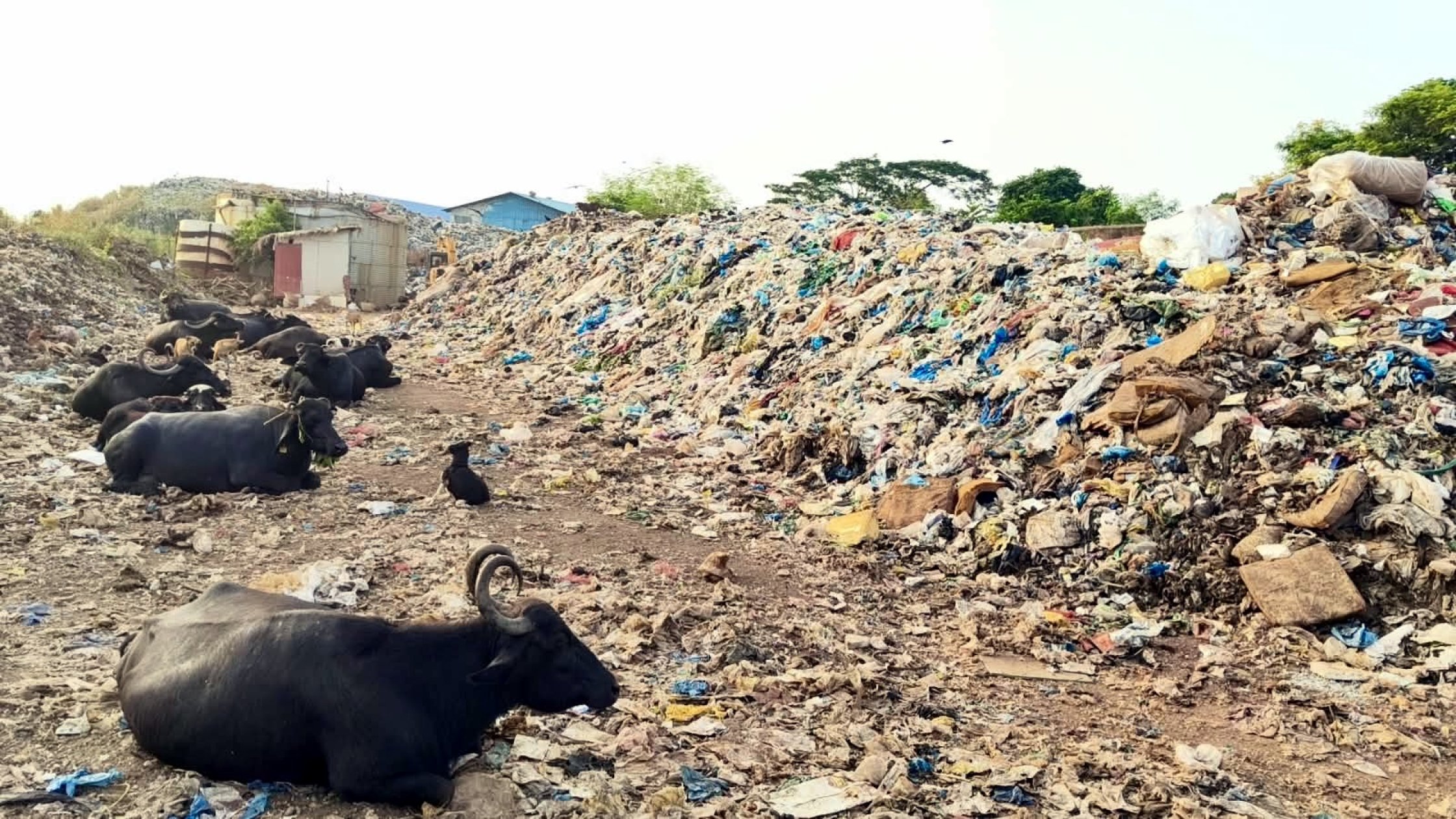
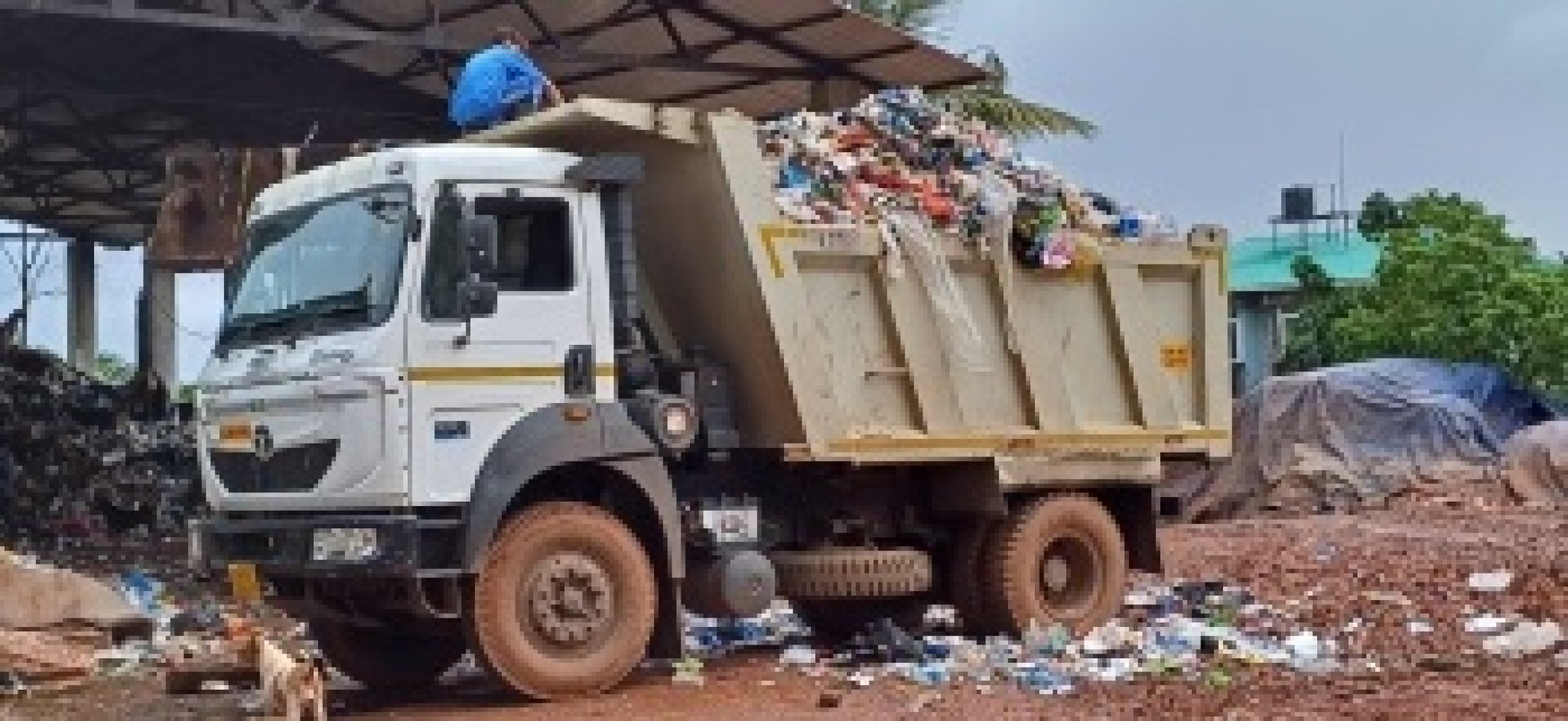
A breakdown in a single bio-digester at the Saligao solid waste treatment plant has triggered a disruption that extends well beyond the facility’s boundaries, forcing six panchayats and two municipalities to stop sending waste to the plant for 25 days and leaving the local bodies to find their own arrangements for treating wet waste.
The disruption has brought into sharp focus a question that Goa’s waste management authorities can no longer afford to leave unanswered: what happens if Saligao, one of the State’s principal waste treatment facilities, suffers a major breakdown or is forced to shut down completely?
The immediate problem is the failure of a component in a facility that processes substantial quantities of waste every day. The larger concern, however, is the absence of a clearly defined contingency mechanism to ensure that waste collection and treatment continue when a major facility becomes unavailable. The episode has exposed the vulnerability of a system in which the disruption of one treatment facility can have repercussions across multiple local bodies.
A plant operating close to its limits
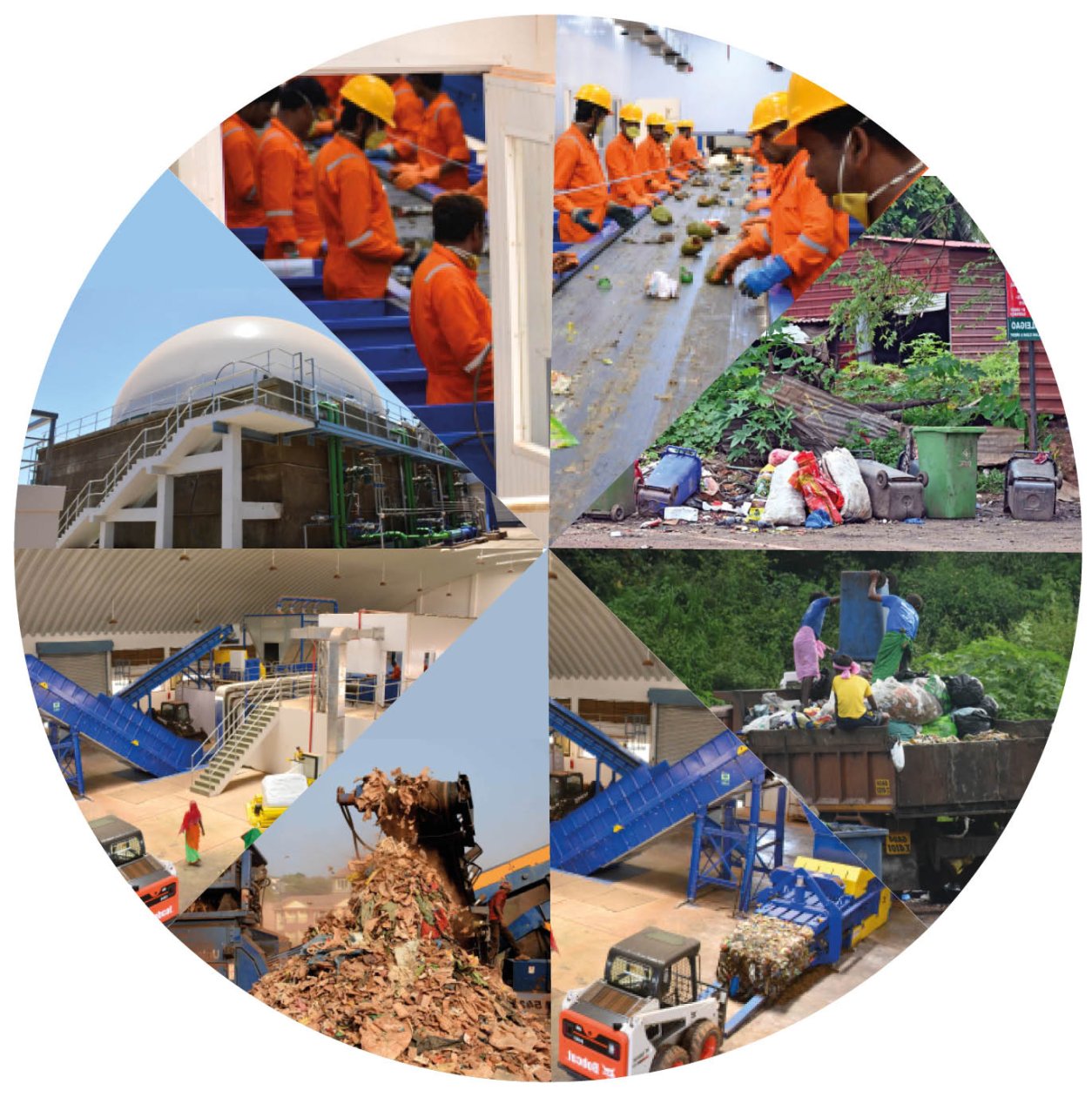
The Saligao facility has a stated processing capacity of 250 tonnes per day, comprising 150 tonnes of wet waste and 100 tonnes of dry waste. Under normal conditions, it treats around 150 tonnes of wet waste and 120 tonnes of dry waste daily, according to information provided by the Goa Waste Management Corporation (GWMC).
The pressure on the wet-waste component becomes more pronounced during the peak tourism season, particularly between mid-December and mid-January, when daily demand for wet-waste treatment can rise to around 180 tonnes -- an increase of 20 per cent.
GWMC Managing Director Harish Adconkar maintains that the facility treats all incoming wet waste on the day it arrives. “We treat all wet waste the same day. We cannot store wet waste as it will only give bad stink and create other issues. So there is no scope to store any wet waste whatsoever,” Adconkar said.
While same-day processing prevents the accumulation of untreated wet waste within the facility, it also leaves little room to absorb a sudden disruption unless alternative processing arrangements are readily available. With wet waste unsuitable for prolonged storage, even a temporary loss of treatment capacity can quickly become a problem for the local bodies dependent on the plant.
No formal fallback for a major breakdown
The current disruption has exposed a critical gap in the State’s waste management arrangements. Although GWMC officials maintain that breakdowns of this nature are rare because of the plant’s maintenance procedures, there is no established contingency plan to deal with a major or sudden shutdown of Saligao.
The corporation has acknowledged the need to develop a system that provides greater resilience in the event of equipment failure. Adconkar said future waste treatment facilities would have to incorporate additional capacity and redundancy into their design. Redundancy essentially means having alternative equipment or processing capacity available when a component fails, allowing operations to continue without a complete shutdown. “We need to build redundancy within the system. We will have to work on these lines,” he said.
Even an effective maintenance regime cannot eliminate every possibility of mechanical failure. A robust waste management network must therefore have a backup arrangement that can be activated without leaving local bodies to fend for themselves. Such an arrangement would need to identify alternative treatment facilities, establish how much additional waste they can accept and specify who will coordinate the diversion of waste during an emergency.
Cacora cannot be an automatic substitute
Goa currently has another major treatment facility at Cacora, with a stated capacity of 100 tonnes per day, comprising 60 tonnes of wet waste and 40 tonnes of dry waste. However, Cacora is not an idle facility waiting to take over Saligao’s workload. It caters to waste generated in Quepem, Sanguem, Dharbandora and Canacona, besides handling part of Margao’s waste.
Diverting waste from Saligao to Cacora would therefore require a careful assessment of its available processing capacity, existing commitments and logistical requirements. The combined capacities of Saligao and Cacora cannot simply be treated as interchangeable reserves. Both facilities serve defined areas and have their own daily waste loads.
Unless the corporation knows precisely how much spare capacity is available at any given time, the existence of a second plant does not automatically guarantee continuity when the first one fails. A workable contingency plan would have to establish whether other operational facilities can absorb additional waste, how much can be diverted and what arrangements would apply if the disruption continues beyond a few days.
Equally important is the role of municipal councils and panchayats. A GWMC official pointed out that the Saligao plant was primarily intended to treat waste generated by coastal panchayats in Bardez and Pernem. Waste from the Mapusa and Mormugao municipal councils, along with six panchayats in Tiswadi, was subsequently added to the facility’s workload. The official also maintained that municipalities and panchayats must establish their own facilities for handling and treating waste.
Maintenance is necessary, but not enough
GWMC maintains that the Saligao plant follows a standard operating procedure (SOP) covering maintenance of its various components. “Waste treatment is a very dynamic system. There is a proper laid-down procedure to carry out maintenance of every aspect of the plant,” Adconkar said, describing Saligao as one of the best waste treatment facilities in the country.
The corporation’s assurance on maintenance is important, but the present disruption also highlights the need for greater transparency about how the plant’s reliability is assessed. A facility operating at or near its stated capacity needs a preventive-maintenance schedule that accounts for the condition of critical equipment, the frequency of servicing, the availability of replacement parts and the time required to restore operations following a failure.
Two proposed plants offer a way forward
Plans for two additional waste treatment facilities could eventually ease the pressure on the existing system, although both projects must progress from planning to operational capacity.
The proposed Bainguinim plant is designed to process 100 tonnes of waste per day. It has received environmental clearance and the process of selecting a company to build the facility is at an advanced stage. The proposed Verna plant is envisaged as an integrated waste treatment facility with a capacity of 250 tonnes per day. It is awaiting environmental clearance.
Once operational, the two facilities could strengthen Goa’s overall waste treatment capacity and provide greater flexibility in managing the State’s waste streams. Their contribution, however, will depend on timely execution, the availability of suitable infrastructure and the way waste is distributed among facilities. GWMC should consider whether the new plants can be designed to provide emergency processing support to other parts of the State, rather than functioning only as isolated facilities serving their designated areas.
Build resilience before the next breakdown
Goa needs a clearly defined emergency protocol covering major plant failures, including alternative treatment arrangements, spare capacity, transport logistics, coordination with local bodies and a system for monitoring waste accumulation during disruptions.
The present breakdown may be limited to one component, but its consequences have demonstrated how quickly a technical problem can become a wider civic concern. For a State whose economy and public image depend heavily on tourism, uninterrupted waste management is not merely an engineering requirement. It is an essential public-health and environmental service.
The real test of Goa’s waste management system is not whether its plants can operate efficiently on an ordinary day, but whether the system can continue functioning when one of its major facilities fails.