PANAJI
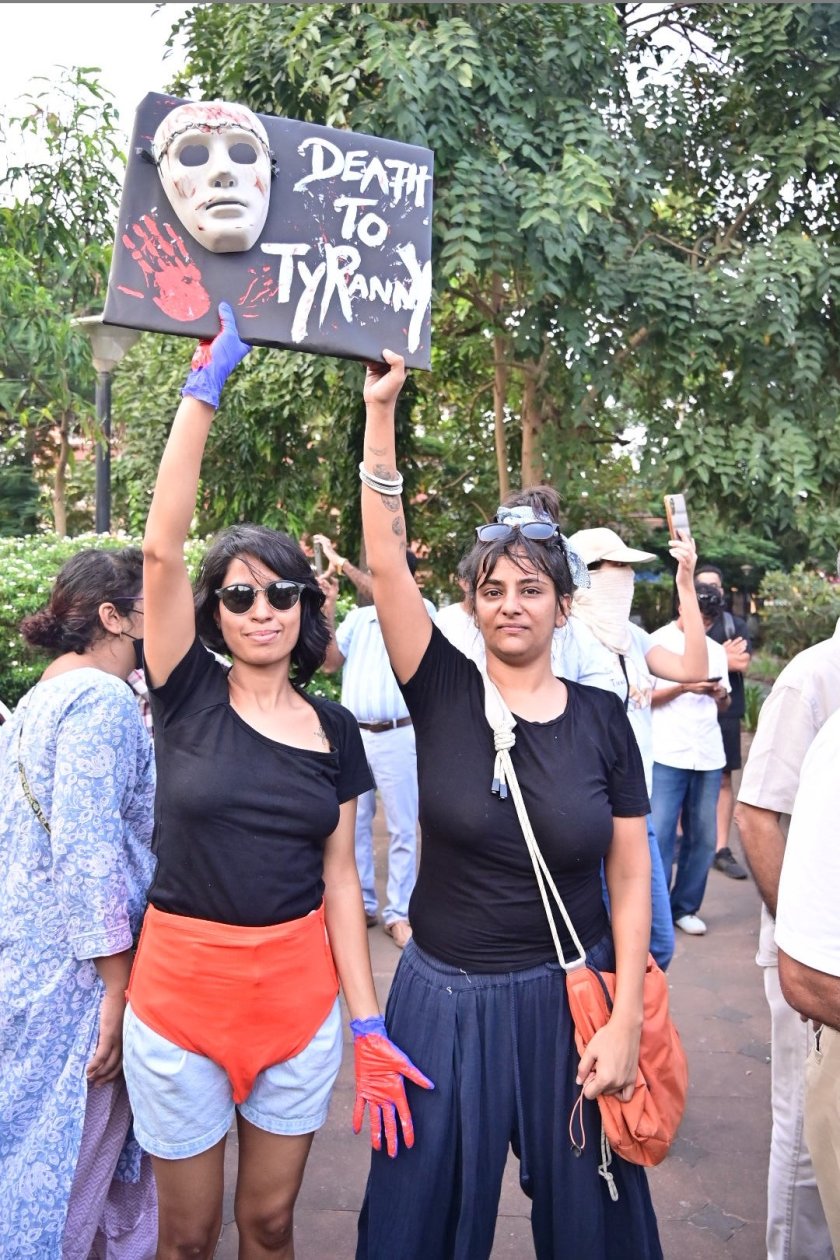
A protest application in Goa passes throughseveral levels of police assessment before reaching the Collector for a finaldecision, with the proposed protest/demonstration’s purpose, route, durationand potential to trigger a law-and-order problem among the factors consideredbefore permission is granted or denied.
Senior police officers revealed to The Goanthat applications submitted by an organisation, individual, group or politicalparty to the concerned Collector are forwarded to the district Superintendentof Police (SP), who sends them through the Sub-Divisional Police Officer (SDPO)and then to the jurisdictional Police Inspector for a ground-level assessment.
Multi-level assessment
“The PI and his team examine the proposedarrangements and seek details from the organiser, including the reasons forholding the protest, its purpose, duration, starting point and endpoint. Theassessment also comprises other aspects besides taking into account the group’sprevious protest record, including whether demonstrations held in Goa orelsewhere in the country had resulted in law-and-order problems,” the officersaid.
The findings are subsequently forwarded throughthe SDPO and SP to the Collector, along with the SP’s recommendation. TheCollector takes the final call and has the authority to differ from the policerecommendation, officers said, although this is not the usual course when thepolice advise against permission on law-and-order grounds.
“Once permission is granted, the police plansecurity arrangements to manage the gathering and deal with any disturbance,”the officer added.
Preventivepowers
As per the rules, a mamlatdar is generallyrequested to remain present at the site to ensure the availability of anexecutive magistrate who can assess the situation and take decisions whencoercive action is being considered.
Police officers also cited provisions of theBharatiya Nagarik Suraksha Sanhita (BNSS) that permit certain preventive orenforcement actions without a magistrate’s presence, subject to the applicablelegal conditions.
“Goa follows the magisterial system, in whichexecutive magistrates exercise relevant magisterial powers while the policemaintain law and order. Under the police commissionerate system followed insome other jurisdictions such as Maharashtra, specified magisterial powers arevested in designated PIs,” he said.