PANAJI
The growing controversy and protests over theElectoral Roll Special Intensive Revision (SIR) exercise and the demand for theresignation of Chief Election Commissioner Gyanesh Kumar and the government'spushback, detentions and arrests have sparked a larger debate across India.
At its heart is the important question: does ademocracy have space for citizens to disagree, object, protest and be heard?
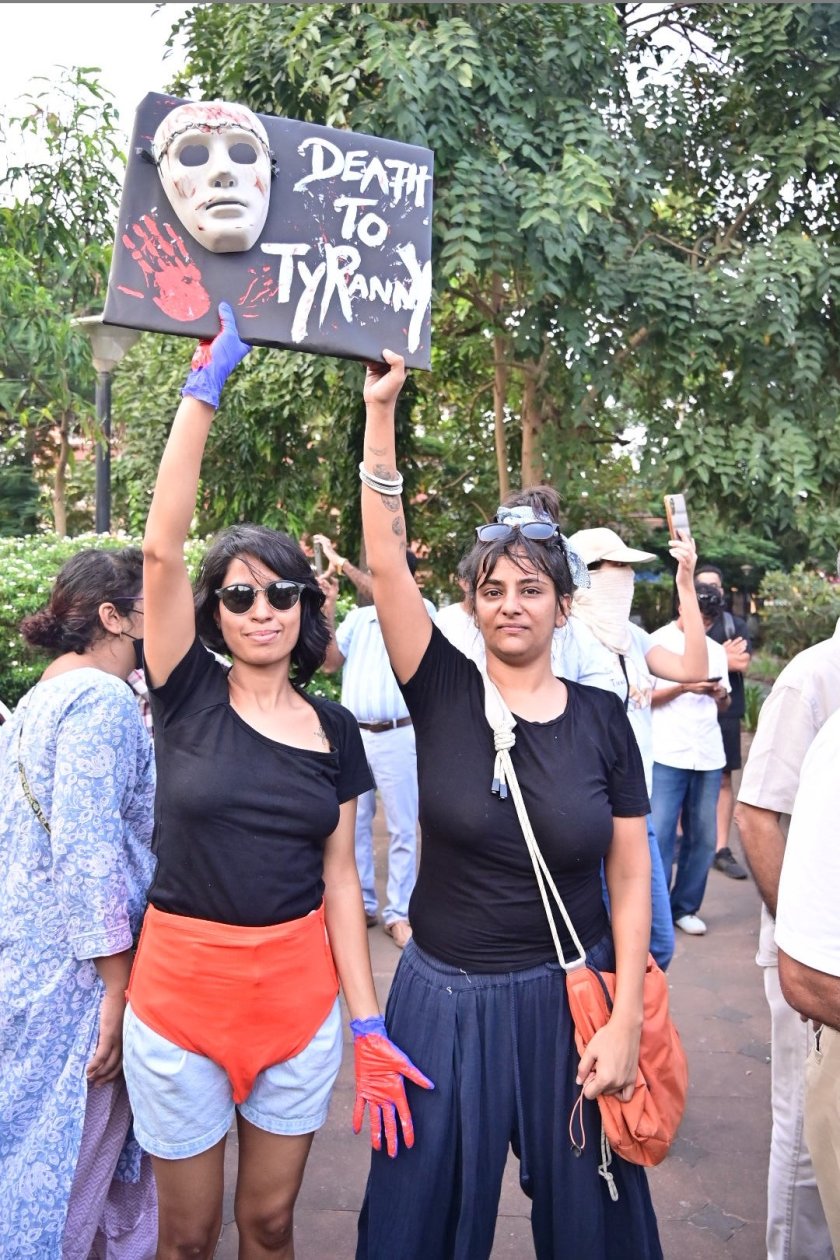
Last Sunday, that national debate landedsquarely in Goa at the iconic Azad Maidan, where a protest organised by thelocal unit of the Cockroach Janata Party (CJP) against the SIR process turnedinto a much bigger discussion about freedom of speech, the right to protest,and the role of the State in dealing with it.
A few hundred protesters arrived in Panajiexpecting to gather at Azad Maidan, the State's most recognised venue forpublic demonstrations. But, they found the ground sealed off and surrounded bya disproportionately large police presence.
The authorities may have intended to prevent aprotest but instead, they ended up creating a far bigger controversy as theprotesters refused to back down, with some breaching the police barricades andentering the maidan carrying the national flag.
Among them were AAP leader and CCP councillorJack Sukhija along with half a dozen volunteers of the CJP Goa, including itsmost recognisable face, Amreen Shaikh. For a few hours, it appeared to be anotherexample of authorities cracking down on a public demonstration. But eventsquickly took an unexpected serious turn, when on that very Sunday night, theBombay High Court at Goa held a special Sunday hearing after advocate MalisaSimoes filed a habeas corpus petition on behalf of the detainees and seniorcounsel Norma Alvares argued their case.
The court's Division Bench ordered theirimmediate release and made disparaging remarks, questioning the police action. Addingto the significance of the episode, the Supreme Court of India, in a separatehearing on the same Sunday morning, emphasised that peaceful protests cannot bearbitrarily prevented.
Together, the two developments transformedwhat was a local law-and-order issue into a broader constitutional debate. And,no place symbolises that debate in Goa better than the Azad Maidan.
'Azad' nomore?
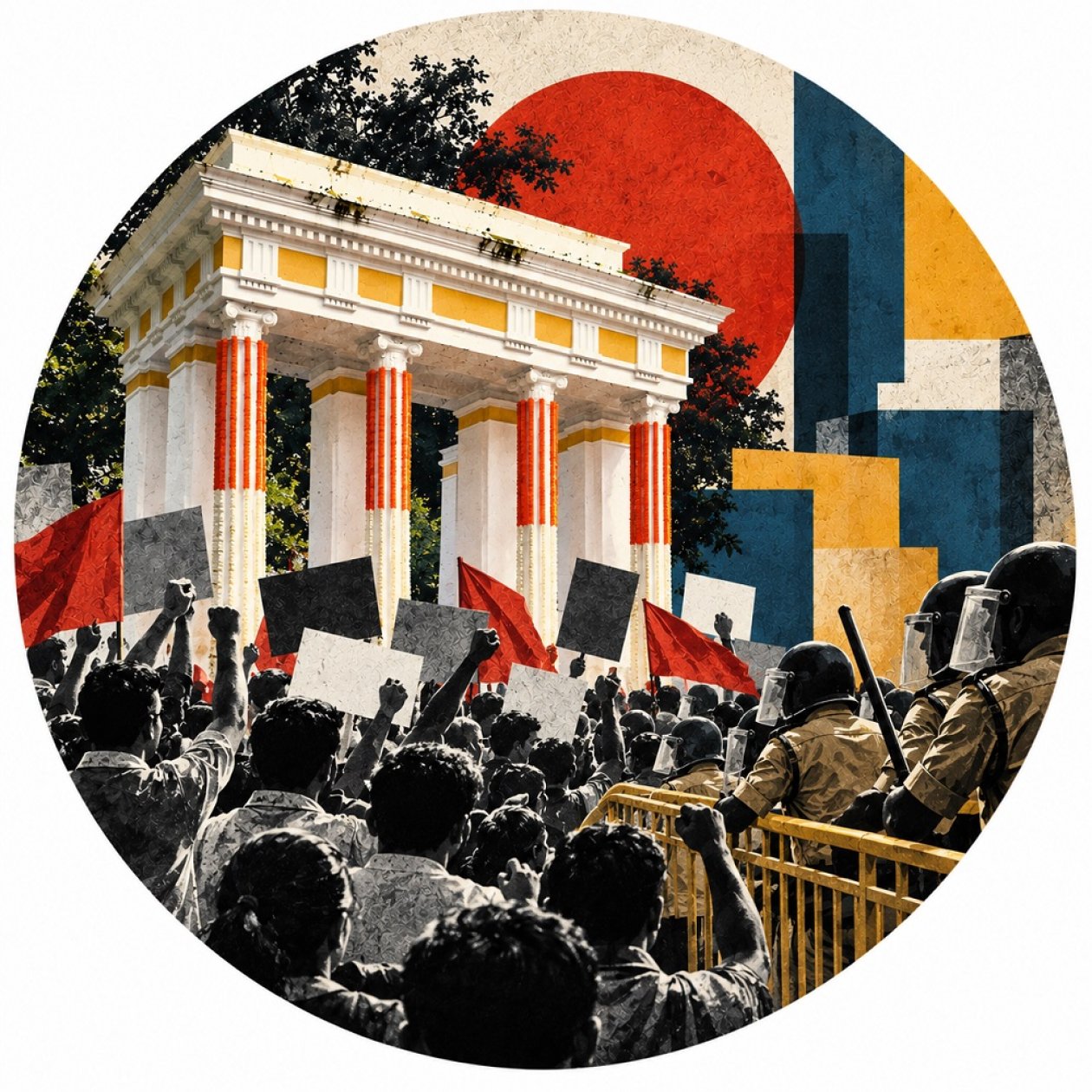
For generations, Azad Maidan has served asGoa's democratic town square. From the historic official language agitation ofthe mid-1980s, fishermen, students, teachers, government employees, taxioperators, mining-affected villagers, environmental activists and politicalparties of every colour gathered there to raise their voices.
Which is why the decision of the Pramod Sawantadministration to deny access to Azad Maidan has generated such strongreactions much like the scene in the national capital where Jantar Mantar waspushed out of bounds by the might of the State.
Protestsneed permissions?
The developments have revived the questionmany have asked for years: why should citizens have to seek permission from thegovernment to protest against the government?
Authorities, including Dattaprasad Toraskar,the Tiswadi Executive Magistrate (mamlatdar), who was present at Azad Maidan onSunday and authorised the police action, argue that permissions are indeednecessary to manage traffic, ensure public safety and prevent clashes.
Those are legitimate concerns, but in theinstant case, the action to block protesters from Azad Maidan actually forcedthem onto the city's trunk road and disrupted traffic on MG Road for well overan hour before they moved to the Garcia de Orta garden.
To be fair to the administration, everydemocracy does impose reasonable restrictions to maintain public order, butcritics say the system itself is flawed. "If the right to protestpeacefully is a fundamental right guaranteed by the Constitution and assertedby the Supreme Court on that very Sunday morning, do we need express officialapproval to exercise the right," asked Sukhija.
Another question raised is: if a protest isdirected against the government, can citizens reasonably expect the samegovernment to willingly grant permission for a demonstration against itself? Theevents of last Sunday have once again brought this uncomfortable contradictioninto the spotlight.
'Constitutiongives us right to protest'
Former Allahabad High Court Chief JusticeFerdino Rebello, who has been heading the 'Enough is Enough' movement for closeto a year, addressed precisely this issue when the gathering shifted from AzadMaidan to the Garcia de Orta garden.
In a speech that resonated strongly with theprotesters present, Rebello said the right to protest is not a privilege forpoliticians, bureaucrats and governments to hand out but a constitutionalguarantee. He referred to Article 19(1)(a) of the Constitution, which he saidguarantees freedom of speech and expression. That freedom, he said, includesthe right to express disagreement, criticise governments and raise grievances. Healso highlighted Article 19(1)(b), which guarantees the right of citizens toassemble peacefully and without arms in public spaces and designated protestsites.
Rebello's message was powerful: citizens donot need the approval of those in power to disagree with those in power.
It finds particular relevance in Goa whereprotests on a range of issues have frequently run into restrictions, barricadesand police action. Whether the subject was environment (coal, 'Save Mollem' andrailway double-tracking), infrastructure projects (Unity Mall), protestsagainst Section 39A of the TCP Act and massive land conversions, heritageprotection, employment or governance, many activists have been blocked orprosecuted for use of public spaces to express their dissent and have foundthem (protest sites) difficult to access.
Govt'srising intolerance
The government and police reject thesuggestion that they are targeting protesters and claim that restrictions areimposed only to maintain law and order. But the repeated confrontations betweencitizens and authorities suggest a deeper problem.
While it may be reasonable for governments toprefer calm and stability, protest movements, on the other hand, are meant toattract attention. They are meant to be inconvenient. They are meant tochallenge official narratives.
That tension is unavoidable in any democracy.But the real tests are whether governments welcome criticism (most do not) andwhether they tolerate criticism and protect the right of people to express it.
The events at Azad Maidan, therefore, matterfar beyond the politics of the SIR exercise or the demand for the CEC'sresignation. Can citizens gather peacefully at a designated protest venue? Canthey criticise public institutions without fear of detention? And canconstitutional freedoms survive if access to public protest spaces depends onofficial permission?
Last Sunday's events did not provide all theanswers, but they have encouraged many in Goa to ask these questions. Andperhaps, no more fitting place to ask them than Azad Maidan, whose very namestands for freedom.