TEAM AUTO
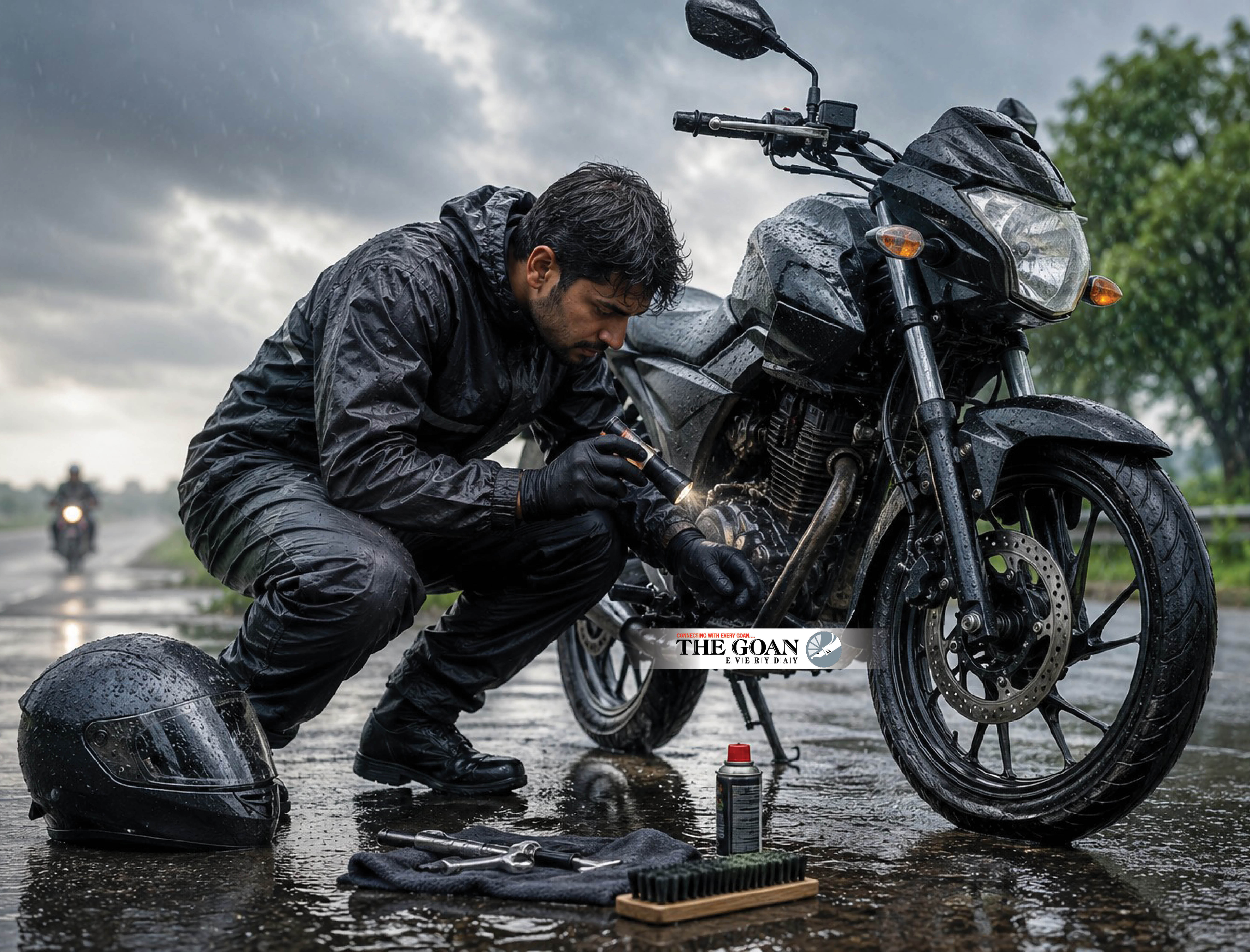
With the monsoon season approaching, motorcycle and scooter riders are advised to carry out preventive maintenance checks to improve safety and reduce the chances of breakdowns. Wet roads, poor visibility and waterlogged stretches can put additional strain on two-wheelers, making preparation before the rains an important part of vehicle upkeep.
Tyre inspection
Tyres are among the first components that should be inspected before the onset of the rainy season. Adequate tread depth is essential for maintaining grip on wet roads, as worn-out tyres can significantly increase the risk of skidding. Riders should also ensure that tyres are inflated to the manufacturer's recommended pressure. Overinflated or underinflated tyres can affect handling and braking efficiency, particularly on slippery surfaces. The tyre sidewalls should be checked for cracks, cuts or bulges, as these may lead to tyre failure when exposed to harsh road conditions.
Brake condition
Brakes require equal attention ahead of the monsoon. Riders should inspect brake pads, discs and brake fluid levels to ensure the braking system functions effectively. Motorcycles equipped with drum brakes should have them checked for proper adjustment and wear. Any unusual noises while braking or a spongy feel in the brake lever should not be ignored, as these can indicate underlying issues that may worsen during wet weather. Efficient brakes are critical, especially when stopping distances tend to increase on rain-soaked roads.
Chain maintenance
The drive chain is another component that can be adversely affected by rain and road grime. Water and mud can wash away lubrication and accelerate rust formation, reducing the chain's lifespan and affecting performance. Cleaning and lubricating the chain before the monsoon begins, and repeating the process at regular intervals throughout the season, can help prevent premature wear. Riders should also inspect the chain for excessive slack or tight spots and make adjustments where necessary.
Check the lights
Visibility becomes a major concern during heavy rainfall. Headlamps, tail lamps, brake lights and indicators should all be checked to ensure they are functioning correctly. A faulty light can reduce a rider's ability to see the road and make the vehicle less visible to other road users. It is equally important to keep the lenses of these lights clean and free from dirt or moisture buildup. Clear and bright lighting can make a considerable difference when riding in poor weather conditions.
Battery and wiring
Battery health is another aspect that should not be overlooked. Wet weather can expose existing battery problems, leading to starting issues at inconvenient times. Riders should inspect the battery terminals for corrosion and ensure all connections are tight and secure. If the battery is old or weak, replacing it before the monsoon may help avoid unexpected breakdowns.
Modern motorcycles also rely heavily on electronic systems, making it important to examine visible wiring and electrical connectors for signs of damage. Any loose or exposed wires should be secured properly to minimise the risk of water-related electrical faults.
Suspension matters
Suspension and steering components should also be inspected thoroughly. Monsoon rains often result in potholes and uneven road surfaces that place additional stress on these systems. Riders should check for suspension oil leaks, worn-out bushings and excessive play in the steering mechanism. Any issues affecting suspension or steering can compromise vehicle stability and rider safety, particularly when manoeuvring on slippery roads.
Keep it clean
Regular cleaning is another simple but effective way to protect a motorcycle during the rainy season. Mud, standing water and road contaminants can accelerate corrosion if left unattended. Washing the vehicle after riding in wet conditions helps remove dirt and grime that may damage metal parts and painted surfaces over time. After washing, the motorcycle should be dried thoroughly to prevent moisture from accumulating in hard-to-reach areas. Keeping the vehicle clean also makes it easier to identify leaks, cracks or other maintenance concerns at an early stage.
Riding gear
Apart from preparing the motorcycle itself, riders should also equip themselves with suitable riding gear. A rain suit, waterproof gloves and riding boots can improve comfort and safety during wet weather. Helmets fitted with clear visors offer better visibility than tinted visors in low-light conditions. Riders should ensure their visor remains clean and free from fogging to maintain a clear view of the road ahead.
Avoid flooded roads
Caution while riding is equally important during the monsoon. Waterlogged roads should be avoided wherever possible, as standing water can conceal potholes, debris and uneven surfaces. Deep water may also affect braking performance and damage electrical components. If crossing a flooded stretch becomes unavoidable, riders are advised to proceed slowly and steadily without making sudden movements. Applying the brakes lightly after emerging from standing water can help dry the brake components and restore their effectiveness.
Stay prepared
By carrying out these preventive checks before the rains begin, riders can reduce the likelihood of mechanical issues and improve overall safety. Regular attention to tyres, brakes, lights, battery condition and chain maintenance can help ensure a smoother and more reliable riding experience throughout the monsoon season. While no amount of preparation can eliminate every risk associated with wet weather riding, a well-maintained motorcycle and cautious riding habits can go a long way in making journeys safer and more comfortable.