PANAJI
The impact of the El Niño phenomenon is not confined to Goa's farms and paddy fields alone. It is expected to show up in homes, offices and factories through an emerging power supply crunch linked to deficient monsoon rainfall across the country.
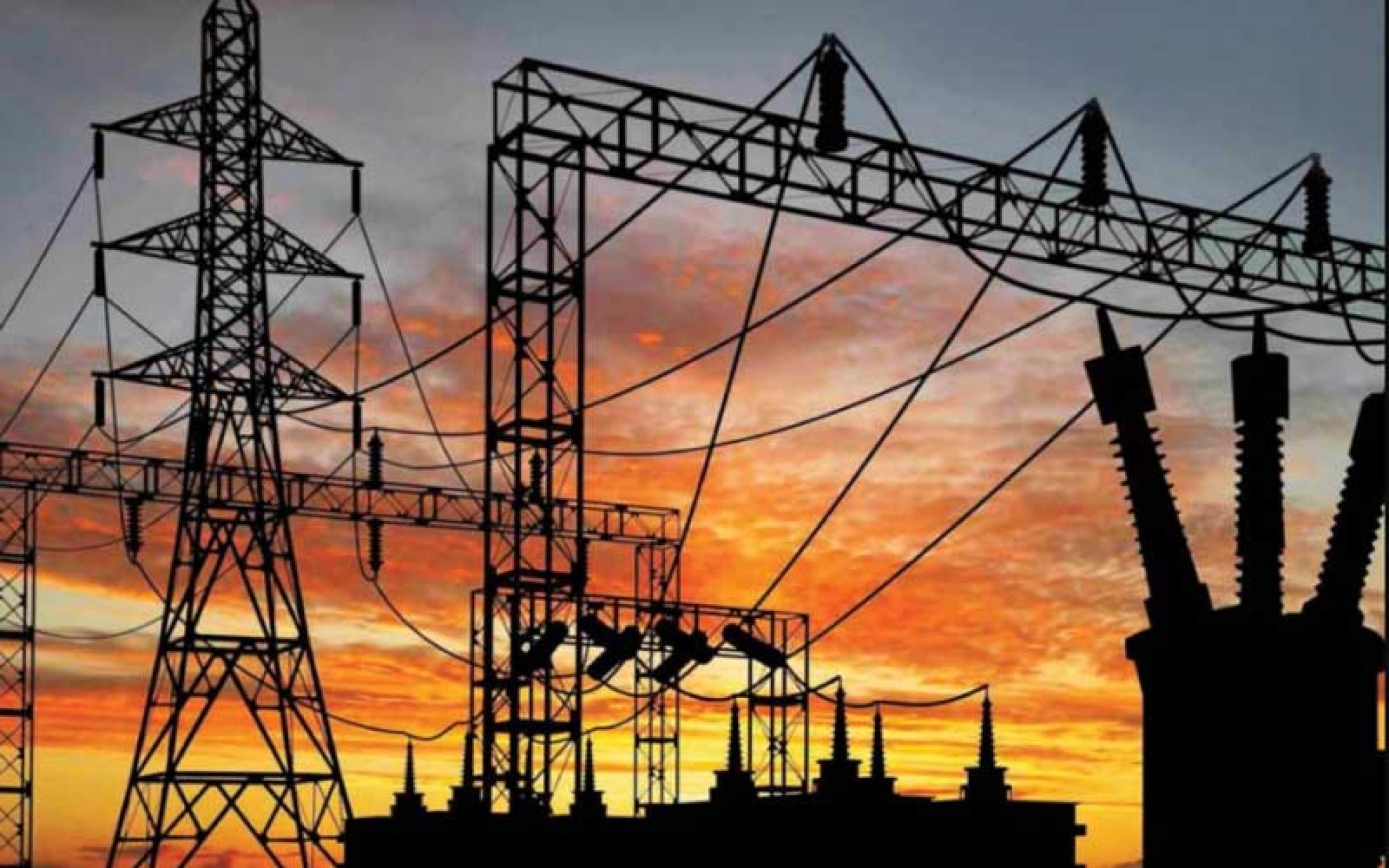
Goa's Electricity Department has already sounded the alarm. With reduced power availability from the national grid, the State has begun facing a peak-hour shortfall of nearly 80 MW and officials warn the situation could worsen if supply conditions do not improve in the coming weeks and months.
Chief Electrical Engineer Stephen Fernandes recently informed industry representatives that additional load-shedding may become necessary, with industrial consumers already facing scheduled power cuts.
The root of the problem lies hundreds of kilometres away.
Deficient monsoon rainfall, a hallmark of El Niño years, has lowered water levels in reservoirs across several parts of India. As a result, hydropower generation has declined, reducing the availability of relatively cheap electricity supplied to States by NTPC through the national grid.
Electricity department officials say the chain reaction does not stop there as the shortfall in hydroelectric generation has increased dependence on thermal power stations. At the same time, coal supplies are under pressure as demand rises across the country.
Compounding the problem is the weather itself with higher temperatures associated with El Niño conditions leading to increased demand for electricity, driven by greater use of air-conditioners, cooling systems and other power-hungry appliances.
The surge is most visible during evening peak hours, precisely when grid stress is highest.
Since Goa depends heavily on power allocated from central generating stations and electricity wheeled through the national grid, the consequences are becoming difficult to handle.
The Electricity Department, meanwhile, is exploring emergency options, including purchasing additional power from the market. However, power available during peak hours comes at a steep price, with rates ranging between Rs 20 and Rs 22 per unit.
Officials are also examining the possibility of procuring round-the-clock power at lower rates, although that too would have additional financial implications.
The concern is particularly acute for industry and the Goa Chamber of Commerce and Industry has already begun confabulations with the government to help share the burden of higher power procurement costs.
Businesses fear that prolonged shortages or tariff increases could adversely affect their competitiveness and production schedules.
For domestic consumers, there may not be an immediate threat of widespread power cuts but the situation is precarious. The same rainfall deficit that has left farmers anxiously awaiting their harvest will therefore also test Goa's energy security.