Every Crisis Feels Like the Big One
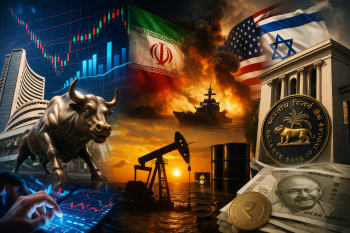
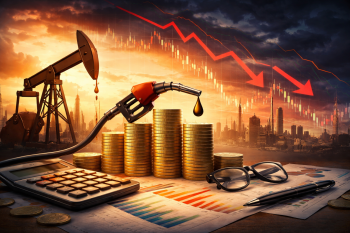
Turn on the news today, and it’s easy to believe the global energy system is on the brink of a lasting breakdown. Rising oil prices, supply concerns, and talk of shortages create a sense of urgency that’s hard to ignore. For households, especially, the impact is not abstract”higher fuel and LPG costs directly affect monthly budgets.
But before reacting, it’s worth pausing to ask: is this truly unprecedented, or does it just feel that way?
A Pattern Hidden in Plain Sight
Energy disruptions are not new. Over the past fifty years, the world has seen multiple oil shocks”each accompanied by fear, uncertainty, and predictions of long-term damage.
From the 1973 oil embargo to the Iranian Revolution in 1979, the Gulf War in 1990, and the sharp spike in oil prices in 2008”every episode came with strong narratives about a permanently altered global order.
And yet, over time, each of these disruptions was absorbed. Markets adjusted, new supply chains developed, consumption patterns evolved, and innovation stepped in. What felt like a structural shift often turned out to be a phase.
The Real Impact at Home
For Indian households, including those in Goa, the concern is more immediate than global market cycles. A rise in cooking gas prices or temporary supply constraints affects daily life. These are not distant economic concepts”they show up in kitchen budgets and household planning. Acknowledging this reality is important. Short-term disruptions can be uncomfortable and, at times, stressful. But it’s equally important to separate what affects your monthly expenses from what should influence your long-term financial decisions.
The Investor’s Usual Trap
Periods like these tend to trigger a familiar response”uncertainty leads to action. Investors feel compelled to pause investments, wait for stability, or make changes based on current events. It feels intuitive, even prudent. However, history suggests that such reactions often do more harm than good. Markets rarely wait for clarity. By the time the environment feels “safe” again, a significant part of the recovery may already be behind us. Investors who step away during uncertain times risk missing out on that phase.
Why Discipline Matters More Than Timing
For long-term investors, especially those participating through mutual funds, consistency tends to play a far more important role than timing the market. A disciplined approach”aligned with one’s financial goals, time horizon, and risk appetite”helps navigate both calm and turbulent periods. While short-term volatility is inevitable, long-term wealth creation is typically driven by staying invested through cycles rather than reacting to them.
India’s Balancing Act
There is also a broader context to consider. India has historically managed its energy requirements with a pragmatic approach, adapting to changing geopolitical realities and diversifying sourcing strategies.
While global disruptions do have an impact, the most extreme scenarios often remain unlikely. This balance tends to get less attention than headline-driven narratives.
Keeping Perspective in Noisy Times
It’s natural for uncertainty to feel overwhelming when it dominates the news cycle. Inflation may rise in the near term, and volatility may persist. But not every development requires a change in strategy.
A measured approach often works better than a reactive one.
Investors are advised to review their decisions in line with their individual financial goals and risk profile, and consult a financial adviser where necessary before making any changes.
The Takeaway
Energy crises will come and go. Headlines will amplify them. Markets will react”and eventually adjust. For investors, the bigger question is not whether disruptions will happen, but how they respond when they do. Because, more often than not, it’s not the crisis that shapes outcomes”it’s the reaction to it.
(The writer, as Founder and Chief Financial Coach of PlantRich & Vama PlantRich, has coached 5000 plus corporate professionals in rewriting their money story)