After having polluted the air, smokers casually throw cigarettes butts wherever convenient to them. The CSIR-National Institute of Oceanography (Goa) reported 758 butts at eight tourist-populated beaches. Surveys made during high, mid and low-tide revealed an average of 3.15 butts per square metre, with the highest at Baga (5.77) due to tourist influx (TGE Sep 16, 2026). Cigarette filters have heavy metals (copper, zinc), cellulose acetate (a form of plastic), hydrocarbons and nicotine. Over-time, these get released into the environment and affect the marine and terrestrial organisms.
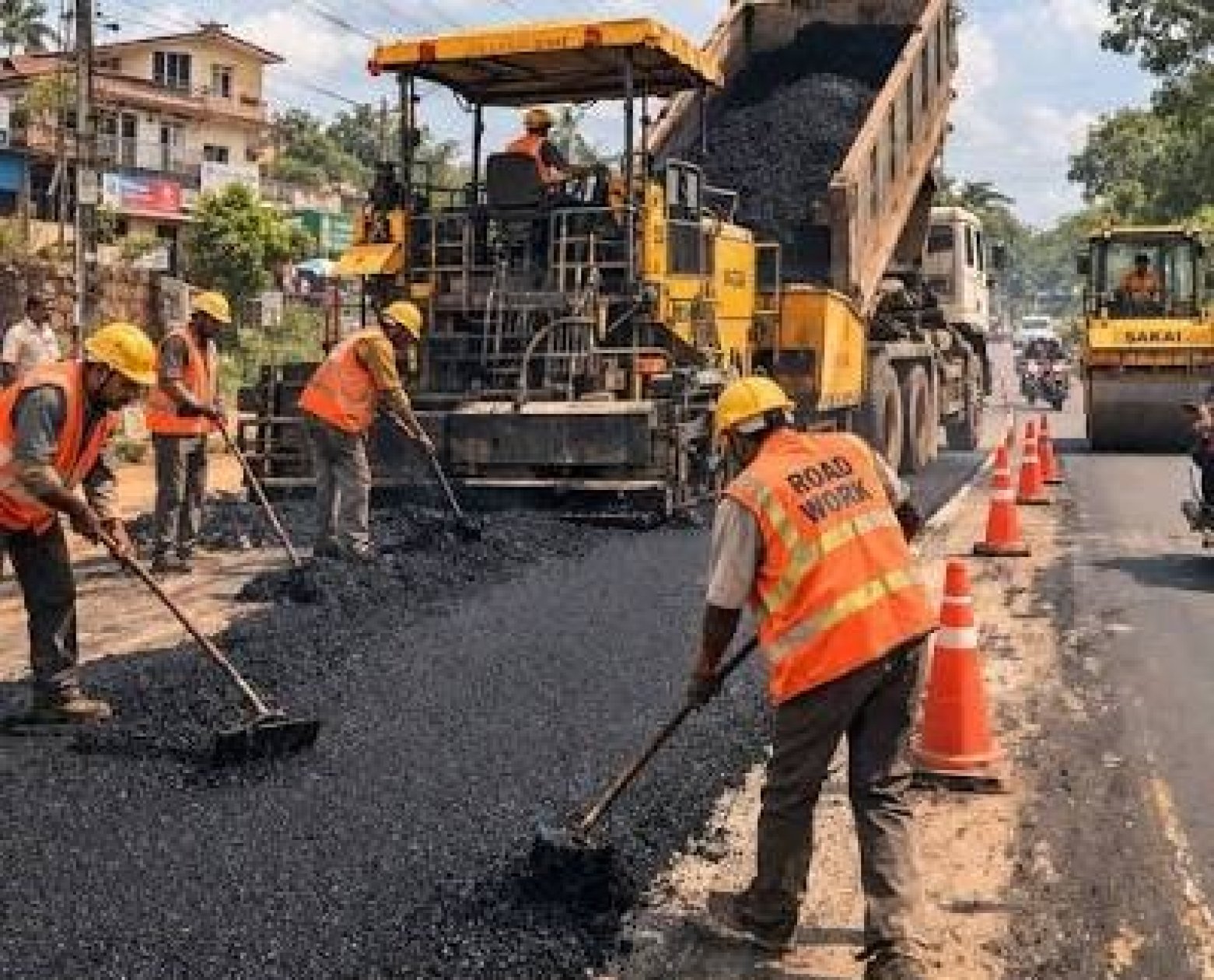
Similar studies, but on a larger scale, have been made in the past in other countries. In 2017, Australian engineers sealed cigarette butts inside asphalt for laying roads which handled heavy traffic and conducted less heat and helped to fix possible urban heat. In India cigarette butts are chemically treated to reduce toxicity, odour is removed and the detoxified cellulose acetate filaments are spun into yarns. The yarns are used to make sneakers, as stuffings in soft toys, cushions, and pillows. A lady has created 100% biodegradable cigarette filter tips embedded with seeds. The discarded butts sprout into plants and do not pollute the soil.
SRIDHAR D IYER, Caranzalem