SHAILESH SHRIRAM TANPURE
THE GOAN I PANAJI
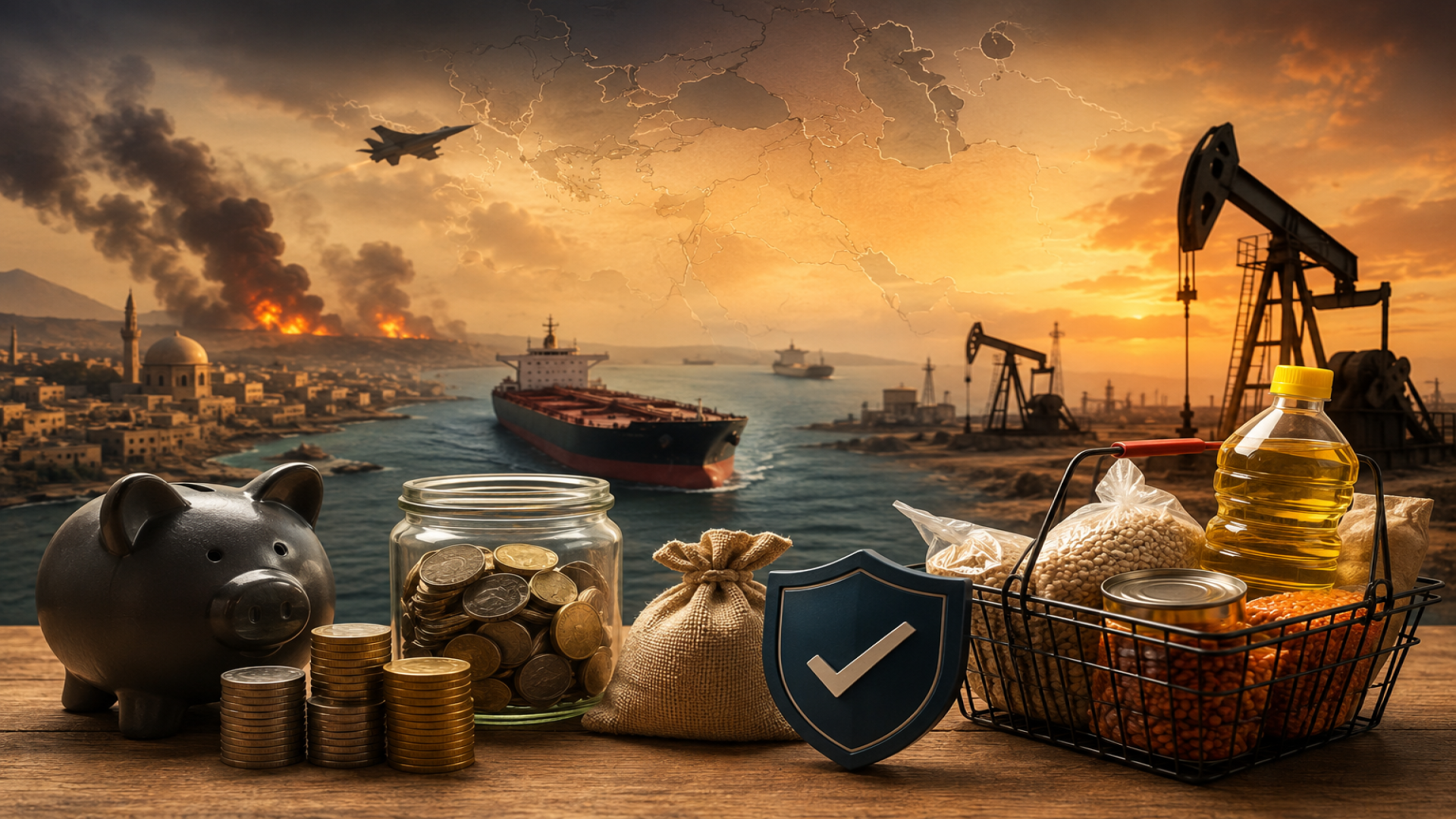
The escalating conflict in the Middle East is dominating global headlines. While the fighting is taking place thousands of kilometres away, its economic effects can reach households in India through higher oil prices, increased shipping costs and rising inflation.
Recent tensions have renewed concerns over two of the world’s most important trade routes – the Strait of Hormuz and the Red Sea. The Strait of Hormuz is a vital passage for global crude oil exports, while the Red Sea connects Asia and Europe through the Suez Canal, one of the busiest shipping lanes in the world. Any disruption to these routes can delay supplies, increase freight costs and push up the prices of everyday goods.
Although no one can predict how the conflict will unfold, individuals can take simple steps to make their finances more resilient. Here are seven frugal habits worth adopting during periods of global uncertainty.
1. Reduce unnecessary fuel consumption
If crude oil prices remain elevated, fuel costs could eventually increase. While domestic prices do not always move immediately, sustained rises in global oil prices often affect transportation and logistics.
Consider combining errands into one trip, using public transport when practical or carpooling. Small changes in driving habits can also improve fuel efficiency and help reduce monthly expenses.
2. Delay non-essential purchases
Many electronic goods, appliances and consumer products depend on international supply chains. Disruptions in the Red Sea have already forced some shipping companies to take longer routes around Africa, increasing transport costs and delivery times.
If you’re planning to upgrade your television, smartphone or other non-essential items, ask yourself whether the purchase can wait. Delaying discretionary spending also gives you more flexibility if prices rise in the coming months.
3. Strengthen your
emergency fund
Global uncertainty can create unexpected financial pressure. Rising prices, job market uncertainty or emergency expenses become easier to manage when you have savings set aside.
Financial planners generally recommend keeping an emergency fund that can cover three to six months of essential living expenses. Even if you cannot build it overnight, contributing a small amount every month is a step in the right direction.
4. Stay disciplined with your investments
Geopolitical events often trigger sharp swings in financial markets. It is natural to feel anxious when stock prices fall after alarming headlines, but reacting emotionally can be costly.
Long-term investors should avoid making decisions based solely on short-term news. Continuing regular investments through Systematic Investment Plans (SIPs) allows investors to benefit from market fluctuations over time rather than trying to predict every twist and turn in global events.
5. Cut back on energy waste
If energy prices rise, reducing household consumption becomes even more valuable. Switching off unused lights, using energy-efficient appliances and limiting unnecessary electricity usage may seem like small actions, but they can lower monthly utility bills.
The money saved can instead be directed towards savings or investments, helping improve your financial resilience.
6. Avoid panic buying
Whenever geopolitical tensions increase, rumours of shortages often spread quickly. This sometimes encourages people to stockpile fuel, groceries or household essentials.
Panic buying rarely benefits consumers. It can lead to unnecessary spending, food waste and temporary shortages. Purchasing only what you genuinely need helps keep your household budget under control while avoiding impulsive decisions driven by fear.
7. Review your monthly budget
Periods of uncertainty are a good reminder to reassess household finances. Review your monthly expenses and identify areas where spending can be reduced without affecting your quality of life.
Subscription services you no longer use, frequent food deliveries or impulse purchases may seem insignificant individually but can add up over the course of a year. Redirecting those savings towards an emergency fund or long-term investments can provide greater financial security.
The bottom line
Wars are unpredictable, and their economic consequences often extend far beyond the countries directly involved. For India, higher oil prices and disruptions to major shipping routes such as the Red Sea and the Strait of Hormuz could increase transportation costs, raise inflation and put pressure on household budgets.
While individuals cannot influence global events, they can prepare for their financial impact. Adopting simple frugal habits, maintaining disciplined investments and building an emergency cushion can help households navigate periods of uncertainty with greater confidence.
In uncertain times, the best financial strategy is not panic, but preparation.