PANAJI: Launched with much fanfare and projected as an innovativestep to rid Panaji of plastic bags, the "Amchi Poti" initiative wasmeant to become a model for other cities.
However, nearly two years later, and after a new set of 30councillors took charge following the Corporation of the City of Panaji (CCP)elections in March, the initiative has quietly disappeared while plastic bagscon-tinue to be widely used in the capital's main market.
The CCP launched the scheme in August 2024, allowingcustomers to borrow cloth bags by paying Rs 20, which would be refunded whenthe bags were returned during their next visit. At the time of its launch, CCPofficials had announced that even torn or damaged bags would qualify for a fullrefund.
The bags were to be stitched from donated cloth at the CCP'sRRR Centre and distributed from a stall at the corporation's main market. Theidea was straightforward: replace plastic bags with reusable cloth bags,enforce the plastic ban and gradually change consumer behaviour.
Initially, market inspectors promoted the initiative andencouraged shoppers to switch to cloth bags. The CCP had also announced strictenforcement of the plastic ban, with fines ranging from Rs 5,000 to Rs 10,000for violators. However, the promised enforcement never materialised after theinitial enthusiasm, and plastic bags continue to be used freely, defeating thepurpose of the project.
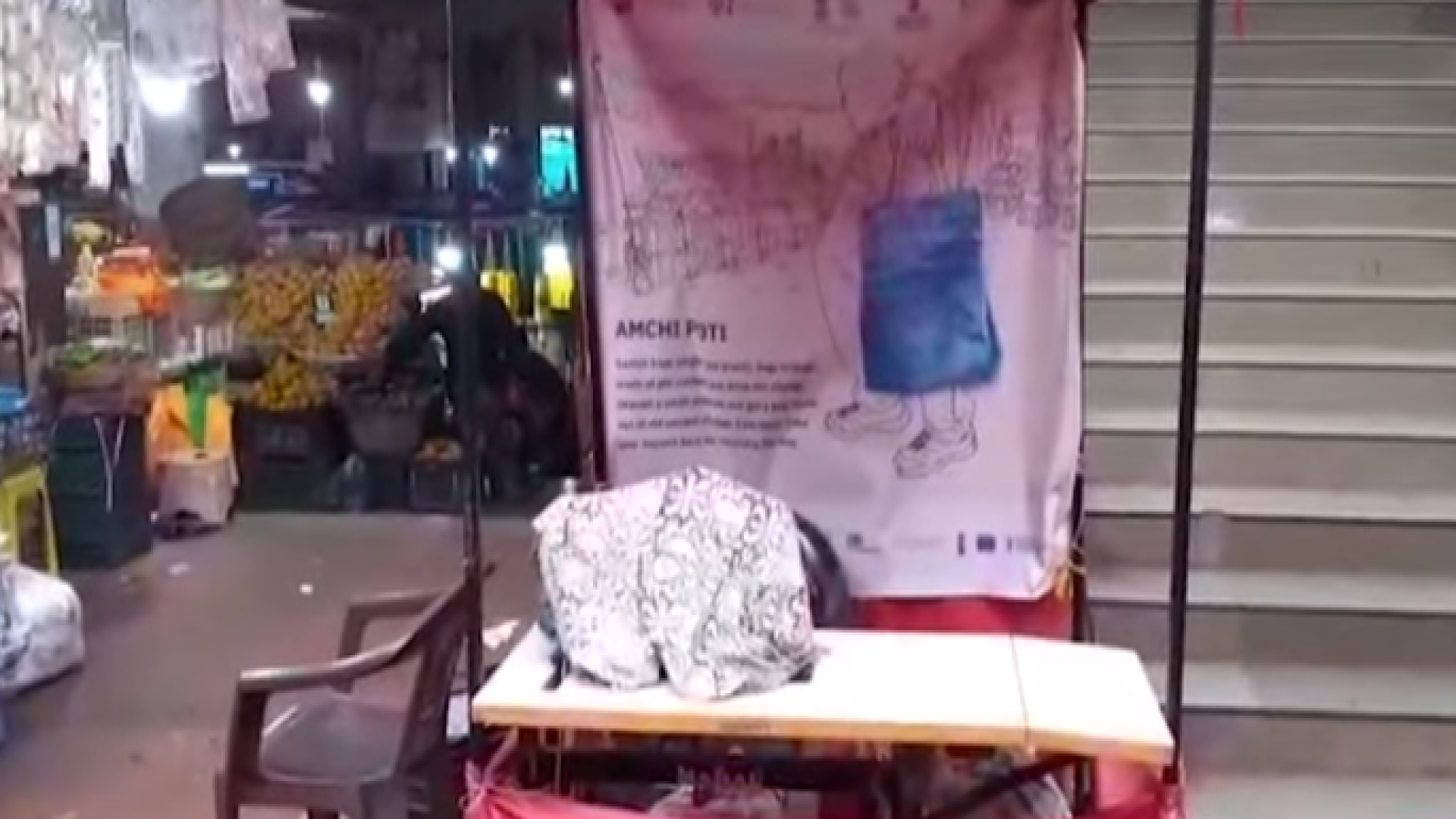
The initiative was also never expanded beyond the mainmarket. Despite earlier assurances, other parts of the city did not see arollout, while the stall in the market now remains neglected.
Officials have attributed the failure to a lukewarm responsefrom the public, which fell far short of initial expectations. A senior CCP officialtold The Goan that the corporation remains committed to eliminating plastic andis working on a revival plan for the "Amchi Poti" project.
The upcoming Ashtami fair, where large crowds gather atstalls along the Mandovi riverfront, could provide an opportunity to restartthe initiative, the official said, adding that sustained promotion would beessential.
"Amchi Poti" was in-tended to be a major steptowards making Panaji plastic-free. Its decline highlights that withoutconsistent promotion, public participation and strict enforcement, evenwell-intentioned initiatives can lose momentum