


MAPUSA
The State may have little to worry about on the water front today – but the real test for its reservoirs could begin as the monsoon starts losing its grip.
For nearly a week, the State has received little rain, barring passing showers in some pockets, even as temperatures and humidity have made mid-September feel distinctly hotter than expected.
The paradox is striking. Goa is entering the dry season with its major reservoirs almost full, yet the weather is already beginning to behave like the season ahead has arrived early.
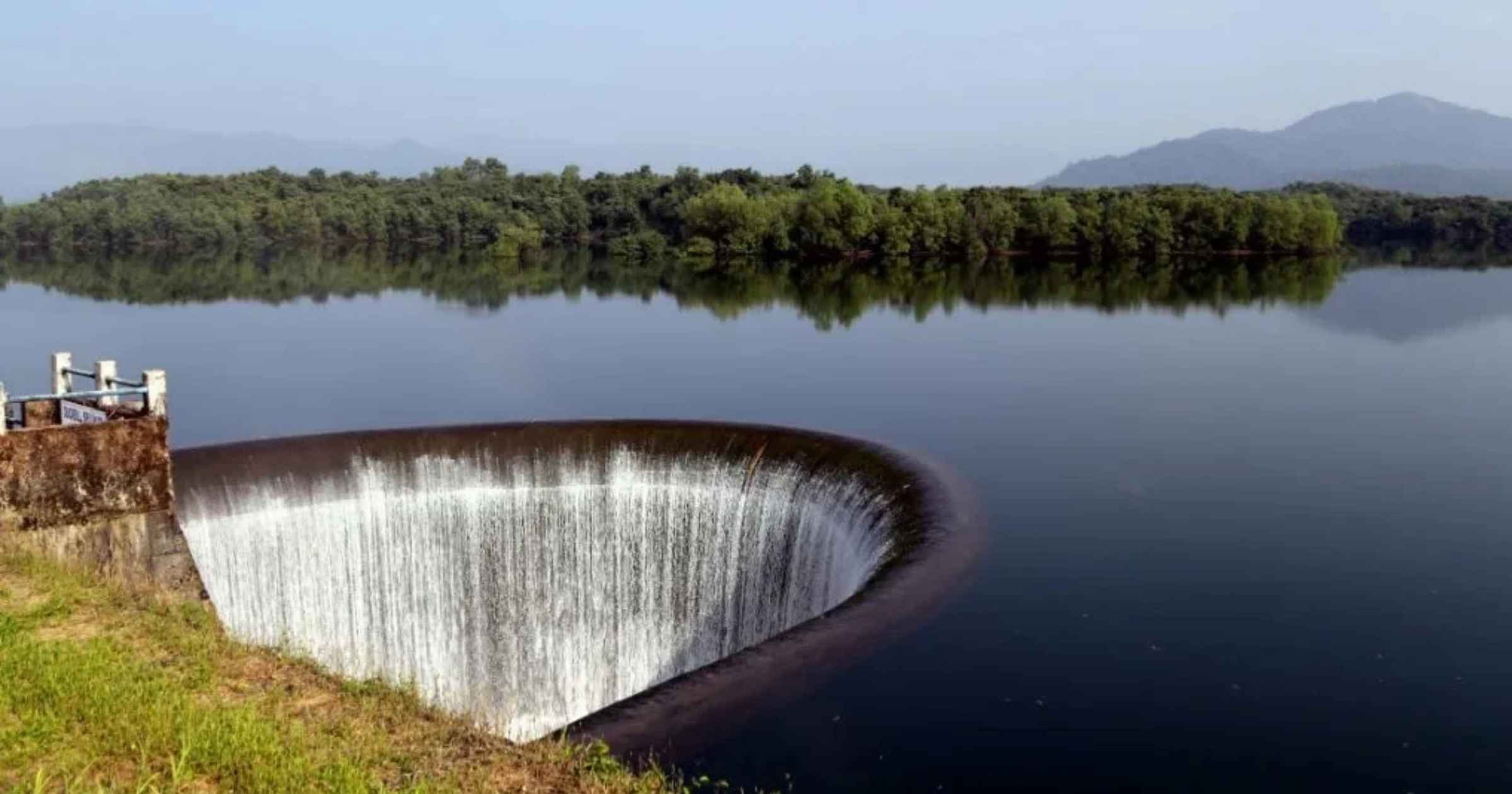
Water levels reported in the State's major reservoirs show a comfortable position: Selaulim is at 101 per cent, Tillari 93 per cent, Anjunem 97 per cent, Chapoli 75 per cent, Amthane 96 per cent, Panchawadi 99 per cent and Gaunem 100 per cent.
For now, that provides a substantial buffer.
Selaulim – State's largest reservoir and a major source for South Goa's water requirements – is at 101 per cent, while several of the smaller reservoirs are also at or close to full capacity.
But the question has shifted from whether Goa has enough water today to whether it can conserve enough of it for the next eight months.
That is because the period between the end of the southwest monsoon and the arrival of the next monsoon is long. Water stored in September has to serve domestic consumption, industry, irrigation and other requirements through the dry months.
And if the weather remains hotter than normal, the demand side of the equation could change.
The emerging El Niño pattern has added another layer of uncertainty. Current climate assessments indicate that El Niño conditions could persist into the winter period, while experts have warned of possible effects on rainfall and temperatures across India.
The State's rainfall situation itself has been uneven. As of September 16, Goa was carrying a cumulative monsoon rainfall deficit of 31 per cent.
That does not translate into an immediate water crisis for Goa. In fact, the State's reservoir position gives it a significant cushion.
The concern is what happens if the cushion begins to shrink faster than expected.
A senior WRD engineer said the present reservoir position gives the State a comfortable water cushion going into the dry season.
“There is no immediate concern over water availability. But much will depend on the rate of drawdown. If temperatures remain high and consumption rises, the reserves will come under pressure. We will closely monitor storage and consumption through the dry season,” the engineer said.
A hotter October, November and December could increase household water consumption, while a warmer-than-usual winter and an early onset of summer could extend the period during which reservoirs have to meet demand without substantial natural replenishment.
The coming months will therefore provide a useful test of Goa's water security – not of whether the State has enough water now, but of how efficiently it can manage what the monsoon has left behind.


