


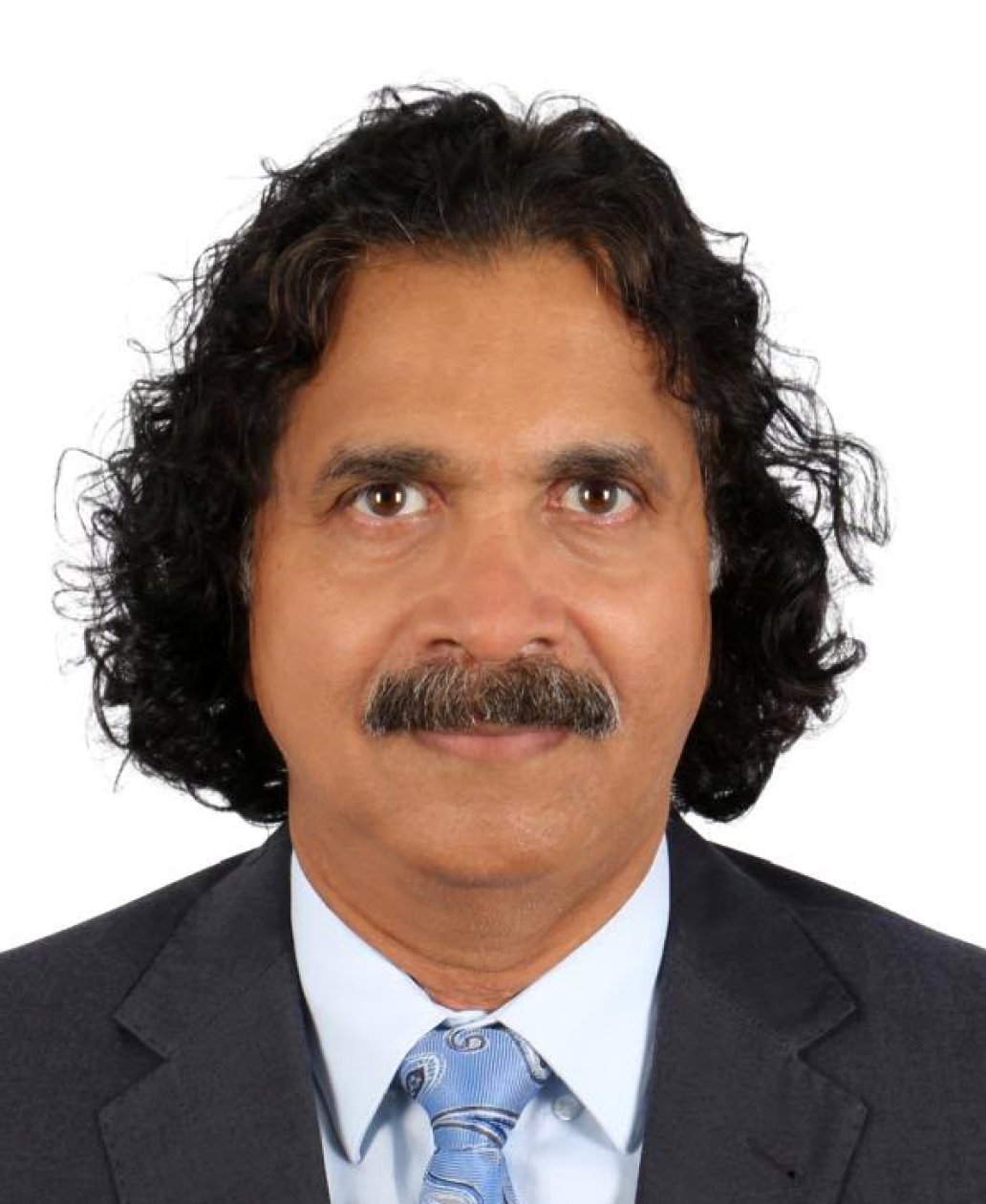
 JOHN DESA
The writer hails from Cortalim and is advisor of the Goa Cultural Association at Qatar
For generations, Goans who migrated overseas — including yours truly — travelled through Bombay, now Mumbai, on their way to distant lands. For many of them, the Kudd, a downtown apartment in Bombay (owned and maintained by individual Goan villages for the benefit of their community members), was much more than a place to stay. It was a community institution created by our forefathers to support villagers travelling abroad in search of work and better opportunities.
At a time when there were no online applications, instant messaging or digital communication, aspiring migrants travelled to Bombay to complete visa formalities, medical examinations and recruitment procedures before departing for destinations across Africa, the Gulf, Europe, the merchant ships and beyond.
The Kudd provided affordable, often subsidised, accommodation, companionship, guidance and, most importantly, a sense of belonging during a major transition in their lives.
The Kudd reflected the best values of Goan community life. People shared expenses, cooked together, ate together, prayed together, helped one another and ensured that nobody had to face an unfamiliar journey alone.
The Kudd was not merely a building. It was a system of community care.
Many Goans still continue to use the Kudd, but circumstances have changed and new challenges have emerged.
KUDD IN THE GULF
Across the Gulf, thousands of Goans live and work far from their families. Not everyone can afford to bring their spouse and children to live with them permanently. The high cost of living and accommodation can also make even short family visits difficult.
This raises an important question: Could Goan communities create a modern version of the Kudd in Gulf cities such as Doha, Dubai, Abu Dhabi, Manama, Muscat, Riyadh, Dammam and Kuwait City?
Imagine a community-sponsored apartment or guest facility offering simple, safe and affordable accommodation to those who need it.
Such a facility could assist newly arrived Goans, visiting family members, newly married couples, people travelling for medical or other important reasons, families whose loved ones are hospitalised, and members suddenly facing difficult circumstances.
It could also serve another useful purpose. Goans travelling through Gulf hubs on Gulf-based carriers, could use a Kudd as affordable transit accommodation and spend a few days in these cities before continuing their journey. What was once a stopover in Bombay could, in a modern form, become a welcoming Goan stopover in the Gulf.
More importantly, it could strengthen community bonds and preserve a tradition of mutual support that has long been one of the defining strengths of Goan society.
Our forefathers did not wait for someone else to solve their problems. They recognised a common need, pooled their resources and created practical solutions that benefited generations.
A PILOT PROJECT
Perhaps the greatest legacy of the Kudd was not the building itself, but the idea behind it:
A community succeeds when its members look after one another. Could we begin with a pilot project?
We do not necessarily have to begin by leasing or purchasing a property. A Gulf Kudd could start modestly.
During periods such as the summer holidays or Christmas season, when many Goans travel and some accommodation may become temporarily available, community associations, benefactors and property owners could explore making a house, apartment or a few rooms available at a nominal cost — or even free of charge — to deserving community members.
For example, a Goan working alone in the Gulf could, for a few weeks or a month, bring his wife and children to stay with him without the burden of paying for expensive additional accommodation.
A newly married couple could have a place to stay, perhaps even giving them the opportunity to spend their first Christmas together, creating a special family memory without the burden of expensive accommodation.
A newcomer could have somewhere safe to stay while finding employment or settling in. Someone facing an unexpected family or personal emergency could also receive temporary support.
Start small. Prove the concept. Build trust. Then grow.
The question before us, therefore, is not whether such a project is possible. Our forefathers have already proved that it is.
The real question is whether we possess the same vision, commitment and community spirit that they demonstrated generations ago.
Goan associations across the Gulf have successfully organised cultural events, social gatherings, sporting activities and charitable initiatives for many years. These activities are important because they keep our community connected.
LEGACY OF THE KUDD
But perhaps the time has come to take another step — to create something that leaves a lasting legacy.
A Gulf Kudd would not simply provide accommodation.
It could reunite families, welcome newcomers, support people facing hardship, assist those travelling for important reasons, provide a convenient transit stop for Goans travelling through Gulf cities, and give practical meaning to the spirit of Goan solidarity.
If every association, benefactor, businessperson and community leader contributes even a small part, together we can create something that no individual organisation could achieve alone.
The original Kudd began with ordinary people recognising a common need and acting collectively. That need has not disappeared. It has simply changed. And the opportunity is before us.
Perhaps one Gulf city can take the lead. Perhaps one Goan association can start the pilot. Perhaps one benefactor can volunteer to provide the first apartment. And perhaps, in time, other cities and associations will follow.
The next Kudd should not remain merely a cherished memory of our past. It should become a living legacy for future generations.
If our forefathers could build a Kudd in Bombay with far fewer resources, surely we can build its modern equivalent in the Gulf today.
The time has come to turn the idea into reality.


