


VALPOI
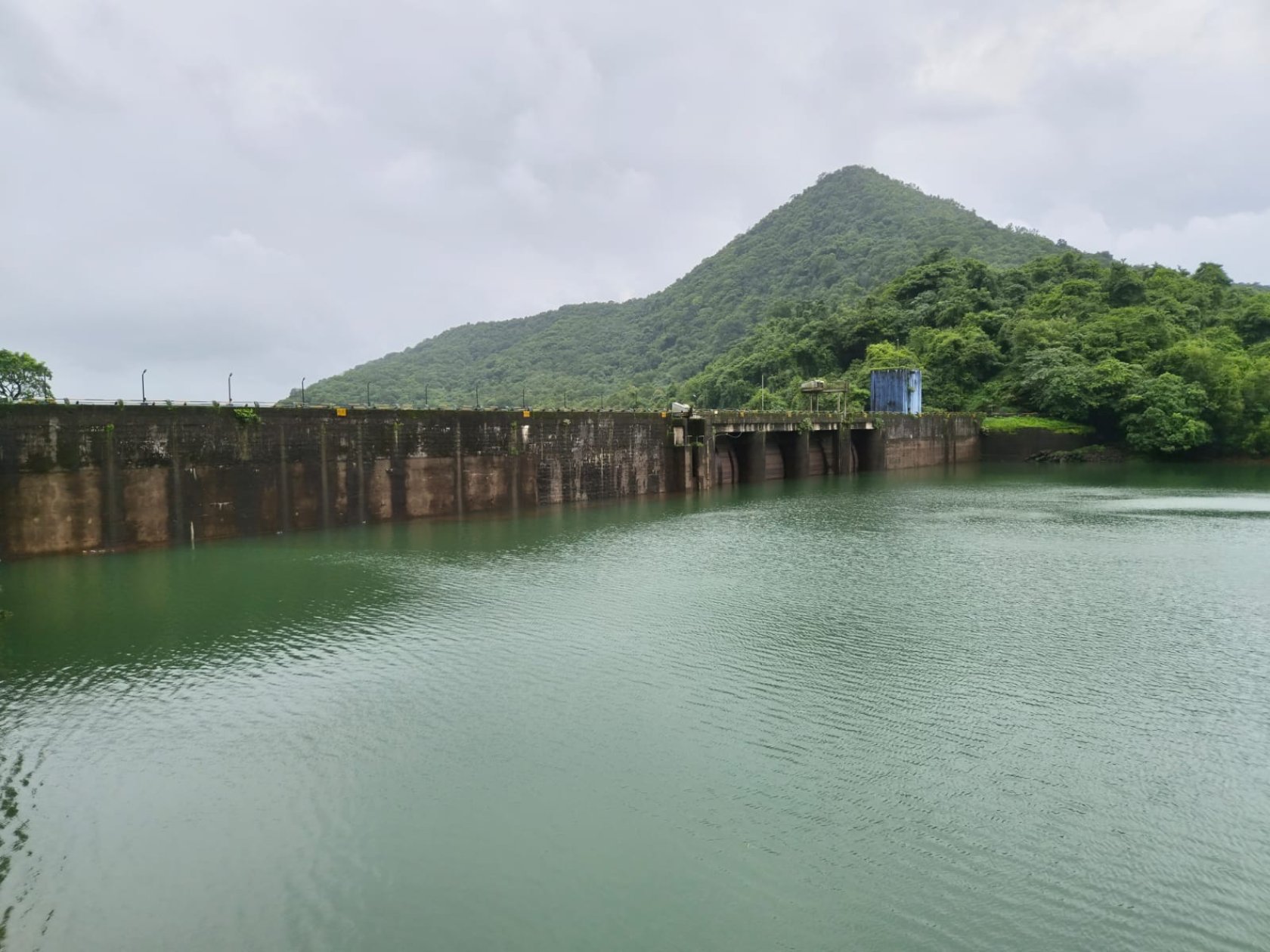
The water storage in the Anjunem dam reservoir, one of the key water sources for North Goa, has risen sharply following heavy rainfall in Sattari taluka and the surrounding ghat areas over the past few days.
The reservoir has now reached 92.85 per cent of its storage capacity, with the water level standing at 92.01 metres and total live storage recorded at 4,162.5 hectare-metres.
With rainfall continuing in the catchment area, the reservoir level is expected to rise further. The Water Resources Department and revenue authorities are closely monitoring the situation and have kept the necessary machinery and manpower ready for a controlled discharge of water, if required.
According to the latest records of the Anjunem dam project, 22 mm of rainfall was recorded during the previous day, taking cumulative rainfall in the dam's catchment area to 2,836.15 mm. The increased inflow has pushed the reservoir rapidly towards its full capacity.
The Water Resources Department had earlier indicated that preparations would be made for water discharge once the reservoir level reached 91.5 metres, with advance warnings to be issued to people in potentially affected areas.
The water level has now crossed that mark and stands at 92.01 metres. However, the latest available reading shows that no water is currently being discharged, with the discharge recorded at 0.00 cumecs. A decision on releasing water will be taken by the authorities depending on rainfall, inflow and prevailing conditions.
If discharge becomes necessary, advance information will be provided to villages and gram panchayats situated along the Valvanti River, as well as the police, revenue and disaster management authorities. Any release will be carried out with the safety of residents given priority.
All concerned departments have been directed to remain alert, regularly monitor the reservoir level and rainfall in the catchment, and maintain preparedness to respond to any emergency.
Storage rises rapidly
The increase in Anjunem Dam's storage has been particularly significant over the past few days. The reservoir, which was around 50 per cent full earlier, has seen a sharp rise following heavy rainfall in the ghat areas and the catchment.
Its storage has increased from 83.5 per cent to 92.85 per cent in just a few days, highlighting the rapid pace at which the reservoir is filling.
At the beginning of the monsoon, the water storage in Anjunem Dam had fallen considerably, raising concerns over drinking water supply and irrigation. At one stage, the reservoir storage had dropped to around 10 per cent.
The revival of the monsoon and heavy rainfall across Sattari and the surrounding ghat areas have, however, significantly improved the situation. With storage now above 90 per cent, the development has brought considerable relief to North Goa.
Adequate water availability in the reservoir will be important for drinking water supply, agriculture and irrigation requirements during the coming summer months.
Authorities monitor situation
The latest figures confirm that the reservoir is at 92.85 per cent capacity, with the water level at 92.01 metres and live storage at 4,162.5 hectare-metres. The catchment received 22 mm of rainfall in the previous day, taking cumulative rainfall to 2,836.15 mm.
If heavy rainfall continues in the ghat areas, the reservoir could approach full capacity soon. The Water Resources Department is therefore keeping a close watch on the water level, inflow and rainfall conditions.
Located in the Anjunem area of Sattari taluka, the dam is an important part of North Goa's water management system. Water stored during the monsoon is subsequently utilised for drinking water supply and irrigation.
A healthy storage level in the reservoir provides important support to water supply systems in Sattari and other parts of North Goa, while also benefiting farmers dependent on irrigation.
Despite the reservoir level reaching 92.01 metres, the latest reading shows that the current discharge remains 0.00 cumecs. Residents have therefore been urged not to believe rumours or unverified social media messages claiming that large quantities of water have already been released from the dam.
If water discharge becomes necessary, the Water Resources Department and administration will officially inform the concerned villages and residents living along the riverbanks in advance.
Residents have been advised to rely only on information issued by authorised government agencies and avoid acting on unverified messages circulating on social media.


