PANAJI
A 500-mt line on a map may be easy to draw, but keeping drugs out of the area around every school in Goa will be far more difficult, with former police officers and educationists questioning whether institutions have the manpower, authority and protection to enforce the government’s new drug-free-zone directive.
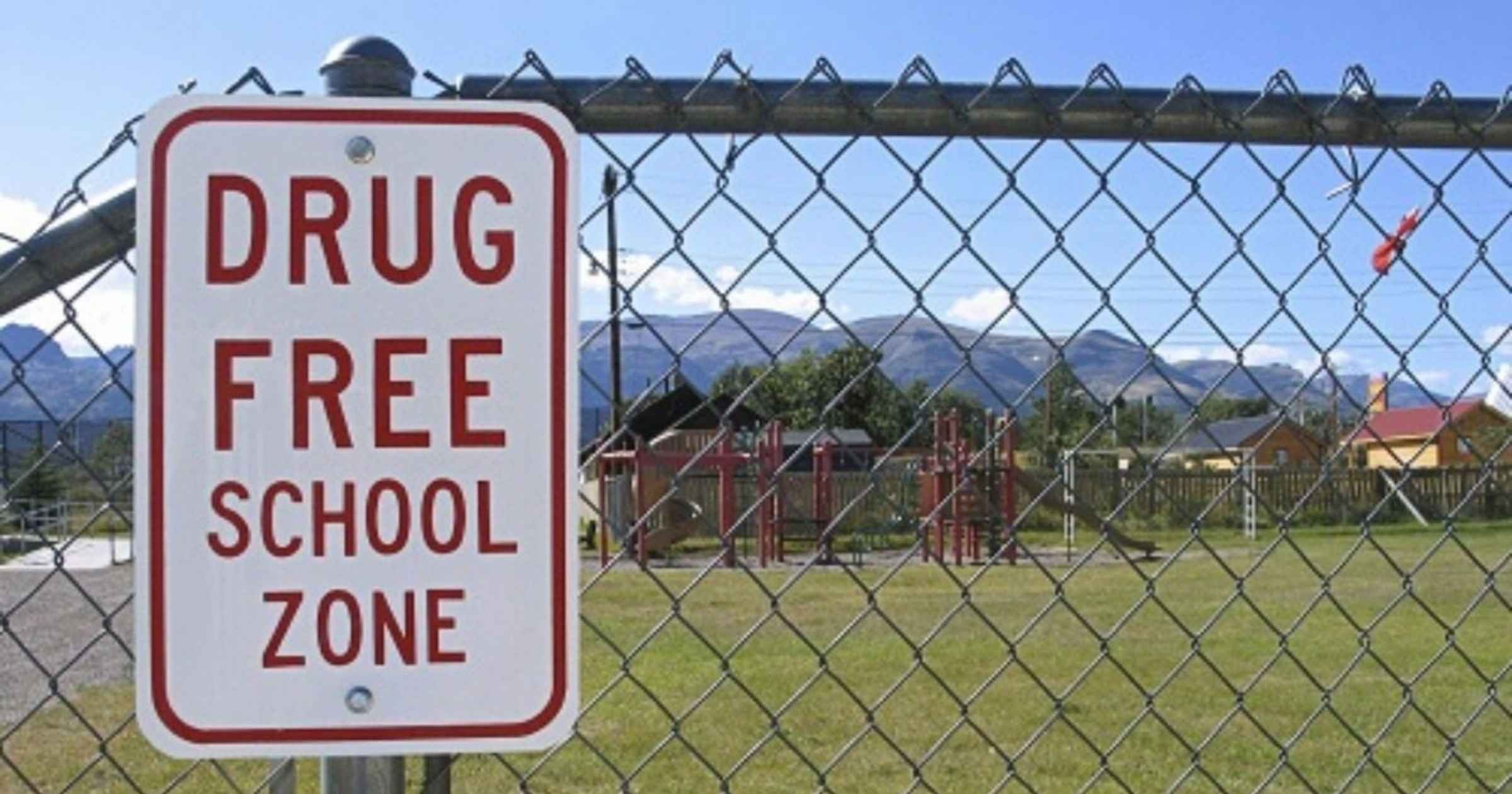
The Directorate of Education directed schools under its jurisdiction to ensure a drug-free zone within 500-mt of their campuses, following directives issued by the Narcotics Control Bureau. While the government rejected any suggestion that drug activity would be permitted beyond the prescribed radius, questions remain about how the directive will be enforced, given limited manpower.
A senior IPS officer said enforcement must be accompanied by sustained awareness among students, particularly about the legal consequences of getting involved with drugs. “Awareness has to go hand in hand with educating students about the legal implications. We cannot go to every educational institution and maintain constant oversight. That could lead to allegations of harassment. Nevertheless, we are already conducting awareness programs and have covered several institutions this year,” he said. The officer said students also needed to understand the long-term consequences of involvement in drugs or other illicit activities. “Their entire career can be jeopardised if they get involved in drugs or any illicit activities,” he said. Former ANC SP Bossuet Silva, however, said a 500-mt restriction alone was unlikely to deter drug peddlers. “It is not possible, and highly unlikely, that drug traffickers will abide by a rule that prohibits them from selling or peddling drugs in that area,” Silva said. He cited an instance during his tenure in which a college watchman in North Goa was caught in a drug-related activity. He questioned the ability of educational institutions to detect and prevent such incidents within their own campuses.
“Do schools and colleges realistically ensure compliance with the directive? There have been instances where alleged drug consumption and peddling were reported, but the institutions did not admit to it. When institutions do not cooperate despite knowing about informants and alleged criminal activity, how can such a directive effectively be implemented?” he asked. Retired SP Mahesh Gaonkar, who also served in the ANC, said the measure could be effective only if backed by dedicated teams, adequate manpower and sustained monitoring. “Having worked in the narcotics department, I strongly believe that prevention and early intervention are crucial. The police can certainly enforce this more aggressively, particularly in schools and among students in the higher classes, in close coordination with school authorities and parents,” he said. Gaonkar also stressed the role of teachers in identifying vulnerable students, saying changes in behaviour are often noticed first within the school environment. Former Goa Headmasters Association president Mariano Valdares, however, cautioned against placing policing responsibilities on school heads. “School heads have to focus on academics and cannot be expected to police their surroundings. Schools vary in size and location, and they cannot keep watch 24x7, especially at night,” he said. Valdares also warned that direct intervention by school authorities could expose them to retaliation. “With new types of drugs emerging, enforcement agencies must take the threat seriously. Schools must remain vigilant, but they should not be turned into policing units,” he said. Education Director Shailesh Zingade has meanwhile clarified that schools have been asked to remain vigilant and promptly alert the police if they come across suspected drug-related activity, and not indulge in policing.