UDAY SAWANT
VALPOI
The recent drowning of a student from Vasco at the Tonir-Kajredhat waterfall has once again highlighted concerns over water safety in Sattari, where as many as 52 drowning cases have been documented over the past 10 years.
Sattari's waterfalls, rivers and forest landscapes attract thousands of tourists during the monsoon. However, many visitors are unfamiliar with the dangers posed by deep pools, fast-moving currents, slippery rocks, sudden rises in water levels and entry into prohibited areas.
Residents and available records point to unregulated waterfall tourism, unrestricted access to dangerous locations, inadequate warning signage and barricading, shortages of safety personnel and gaps in rescue infrastructure among the factors associated with the fatalities.
Several waterfalls, rivers and other water bodies have emerged as popular tourist destinations, but many lack formal safety infrastructure. Tourists frequently venture into upper waterfall sections, swim in deep pools, jump from rocks, take photographs in hazardous areas and enter restricted zones. The Mhadei river region, seasonal monsoon waterfalls and water-filled abandoned quarries have repeatedly been associated with drowning deaths because of deep pools, powerful currents, sudden increases in water flow, slippery rocks, deep pits and hidden underwater hazards.
Forest department officials have pointed out that sudden flash flows pose a major hazard during the monsoon. Rainfall in upper catchment areas can cause water levels to rise dramatically within minutes, potentially trapping or sweeping away people swimming or standing in river channels.
Victims have mainly been visitors from outside Sattari taluka, particularly people from urban areas in Goa and other States who are unfamiliar with the local terrain, water currents, deep pools and monsoon-related hazards. A majority were between 16 and 30 years old, with young people visiting waterfalls for recreation, trekking, swimming and adventure activities particularly vulnerable. Social media videos and photographs also draw tourists to dangerous locations, while local residents have reported that some visitors enter the water after consuming alcohol, ignore warning signs and disregard safety advice.
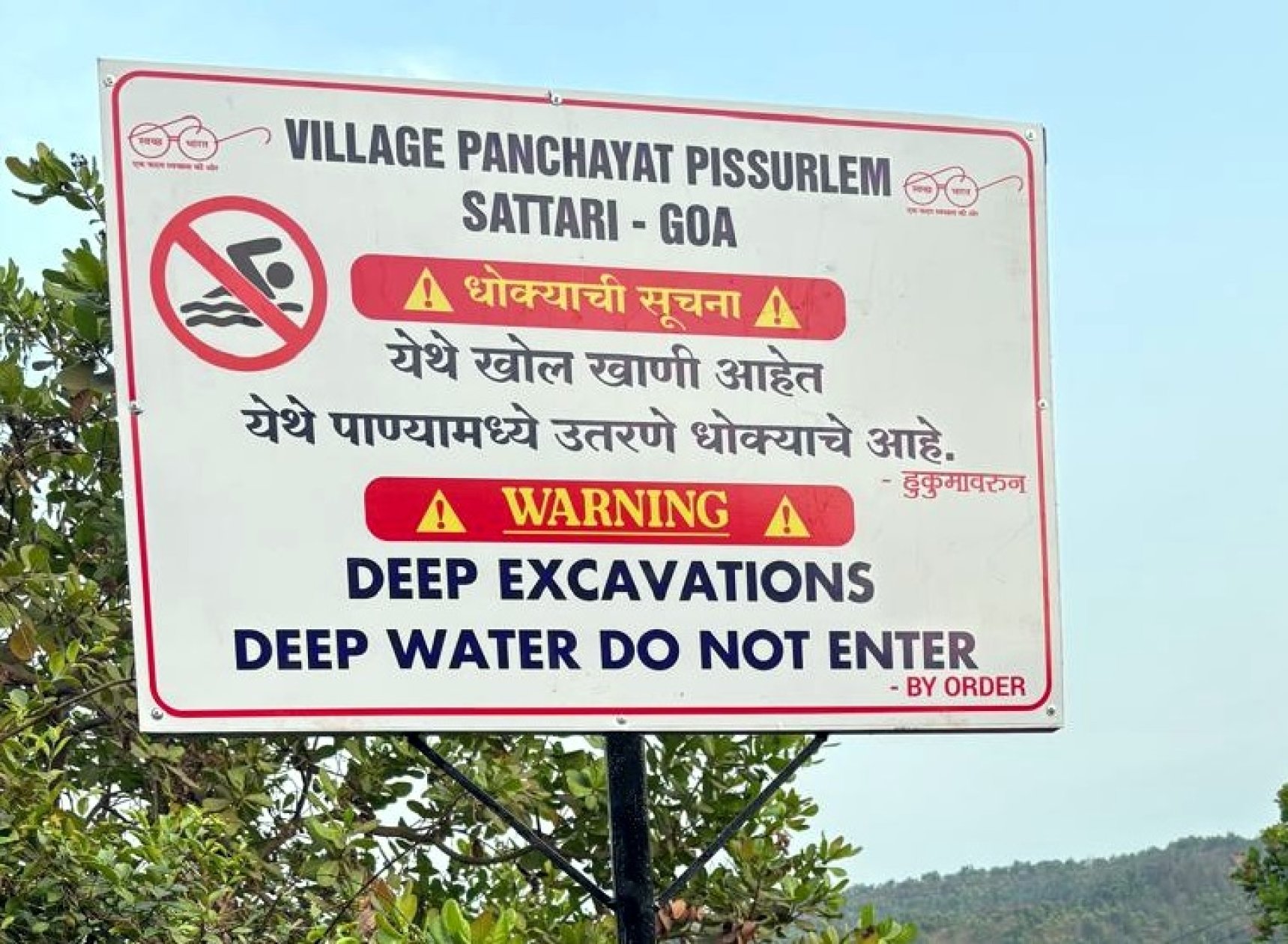
Several village panchayats in Sattari have prohibited tourist access to waterfalls and river stretches within their jurisdictions, with warning boards, banners and entry restriction notices put up at several locations. However, residents say the signage is inadequate and many visitors continue to enter prohibited pools and river channels, creating enforcement challenges.
Residents have also flagged recurring shortcomings, including inadequate barricading, insufficient safety personnel and forest guards, shortages of life jackets, ropes and rescue equipment, weak communication systems and inadequate tourist safety awareness.
Residents say the 52 drowning deaths recorded over the past decade underline the need to move from reactive measures after accidents to a permanent, coordinated safety system at Sattari's high-risk tourist spots.