UDAY SAWANT
VALPOI
There have been renewed concerns in Sattari taluka after the Union Ministry of Environment, Forest and Climate Change (MoEFCC) issued the seventh draft notification for the Western Ghats Ecologically Sensitive Area (ESA), once again including 108 villages in Goa under the proposed Eco-Sensitive Area.
Notably, there is no change in either the number of villages (108) or the total proposed area (1,461 sq. km.) compared to the sixth draft notification issued on July 31, 2024.
The draft notification invites objections and suggestions from citizens, gram panchayats, local bodies, farmers, traders, people's representatives and organisations within 60 days.
With Sattari accounting for the highest number of 63 villages included in the ESA, the latest draft has once again created concern and uncertainty among residents of Sattari Taluka, where the issue has remained sensitive for over two decades.
According to locals, the conflict dates back to 1999, when the Mhadei Wildlife Sanctuary was notified during the period of Governor's Rule in Goa.
63 villages in proposed ESA
According to the seventh draft notification, 63 villages of Sattari Taluka have been included in the proposed ESA. These are: Anjunem, Querim, Ambedem, Ambeli, Ansolem, Assodem, Birondem, Bombedem, Buimpal, Carambolim-Brama, Carambolim-Buzruco, Caranzol, Choraundem, Codal, Codiem, Codqui, Codvol, Compordem, Conquirem, Cotorem, Cudcem, Cumarconda, Dabem, Davem, Derodem, Dongurli, Edorem, Golauli, Ivrem-Buzruco, Ivrem-Curdo, Maloli, Malpona, Mauxi, Melauli, Nagargao, Naguem, Naneli, Nanorem, Pale, Pendral, Ponocem, Ponsuli, Quelaulem, Rivem, Sanvordem, Satorem, Satrem, Sigonem, Siranguli, Siroli, Sirsodem, Sonal, Surla, Ustem, Vainguinim, Velguem, Velus, Xelopo-Buzruco, Xelopo-Curdo, Zarani and Zormen.
Once the final notification comes into force, these villages will be governed by ESA regulations concerning development projects, industries, mining, construction activities and environmental clearances. However, the draft clearly states that agriculture, plantations, traditional occupations, existing residential houses and private property rights will remain protected.
Objections from across Sattari
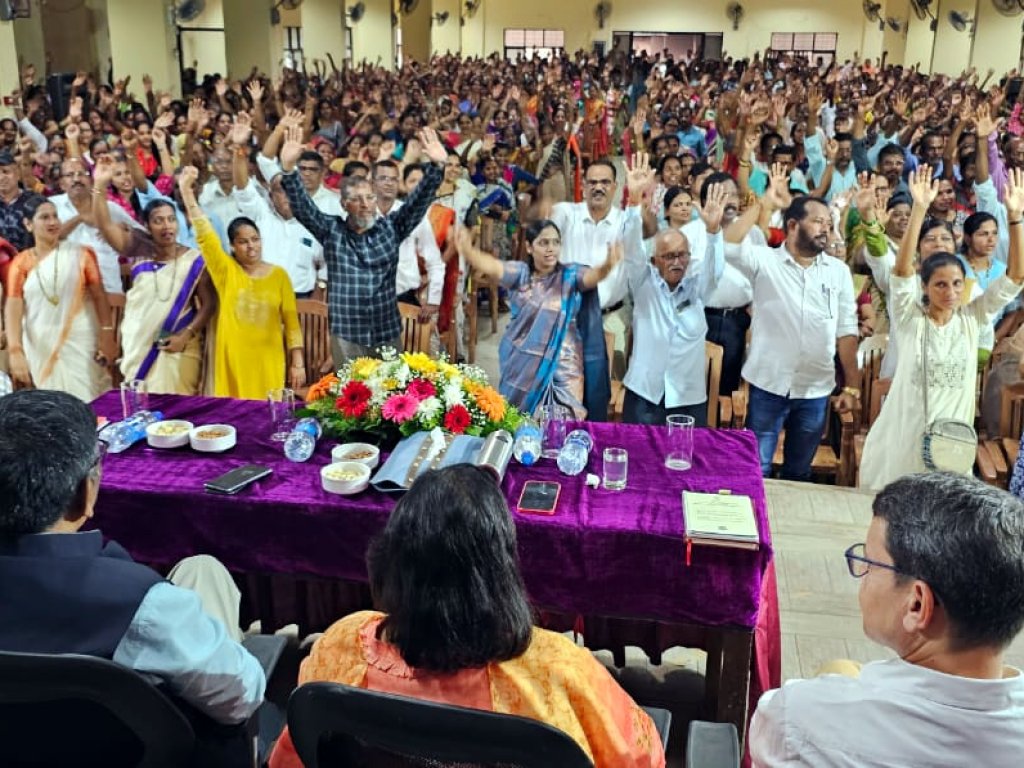
When the ESA proposal was first introduced, a large public meeting was held at the Valpoi Municipal Hall, attended by local residents, farmers, elected representatives, social activists and representatives of various gram panchayats.
The meeting unanimously opposed the implementation of the ESA in Sattari. Government officials present at the meeting assured residents that their concerns would be conveyed to higher authorities.
However, with the seventh draft retaining the same proposal, many residents are now questioning what became of those assurances.
All 12 Panchayats of Sattari along with the Valpoi Municipal Council had also convened special meetings and passed resolutions opposing the ESA proposal.
The resolutions expressed concerns that the proposal could restrict development projects, affect agriculture, plantations and the rural economy, reduce employment opportunities, and hamper industrial growth and tourism development.
These resolutions were forwarded to the State Government for submission to the Centre. However, the latest draft reflects no significant changes, leading to disappointment among local residents.
Relief for local residents
The ministry has clarified that no villages will be displaced, while agriculture, plantations, paddy cultivation, cashew, coconut and arecanut farming will continue. Besides, traditional occupations will not be affected and private property rights will remain intact.
Locals have been assured that existing houses may be repaired, renovated or expanded in accordance with the law, while schools, healthcare, drinking water, electricity and other essential public services will continue.
Residents have demanded that the gram sabha consent should be made mandatory before any final decision, while development projects should not face unnecessary obstacles.
They also want roads, bridges, healthcare, education, mobile connectivity and internet infrastructure to be prioritised and a special development package for ESA villages.
They have also demanded that eco-friendly industries, rural tourism and homestay businesses should receive government support, while environmental clearance procedures should be simplified and made transparent.
Despite the concerns, authorities claim the proposed ESA will have a number of benefits, such as protecting the biodiversity of Western Ghats, safeguarding the Mhadei river basin and other important water sources, conserving wildlife habitats and improving groundwater conservation.
Besides, the proposed ESA is expected to reduce the risks of floods, landslides and soil erosion, promote eco-tourism, homestays, organic farming and other sustainable livelihood opportunities.