


the goan I network
PANAJI
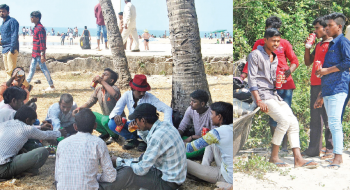
Chief Minister Manohar Parrikar said that he was helpless to stop low spending tourists from entering and celebrating in the state without staying in hotels, a common complaint by locals and hoteliers who believe that these ‘campers' are nothing but a nuisance.
"How can you stop them if they do not create a nuisance. We are working on it and there has to be some legislation. Some authority of law given to the police to stop that. We will also have to make some arrangement,"
Parrikar said.
"There are a certain sections of tourists who come here, who may not be very high spending tourists, but there is no provision in the law in the country, which can stop some people from doing that," he added.
"We have to create areas where these tourists can serve themselves. They can cook. We can provide water and proper sanitary, garbage facilities at some nominal fees and they can be directed there. The government has noted these aspects and we are working on it," Parrikar said.
A common complaint by locals and hoteliers is that the campers avoid contributing to the state economy but leave behind a trail of garbage, openly defecating and otherwise sullying the otherwise tourist-friendly environment.
Parrikar clarified that the state machinery was collecting garbage along the roadsides - every day "50 to 60 tonnes of garbage" was being sent to the Saligao waste treatment plant.
"There will be some solutions in the budgetary exercise. This requires legal solutions and proper directions and preparedness by the government. We are working on open drinking, travelling tourists. We are working on further tightening consumption of liquor in public places or over drinking. All these aspects are being worked out. Since budget is moving in February, you will get some answers in the budget," Parrikar says.
"There are a certain sections of tourists who come here, who may not be very high spending tourists, but there is no provision in the law in the country, which can stop some people from doing that," he added.
"We have to create areas where these tourists can serve themselves. They can cook. We can provide water and proper sanitary, garbage facilities at some nominal fees and they can be directed there. The government has noted these aspects and we are working on it," Parrikar said.
A common complaint by locals and hoteliers is that the campers avoid contributing to the state economy but leave behind a trail of garbage, openly defecating and otherwise sullying the otherwise tourist-friendly environment.
Parrikar clarified that the state machinery was collecting garbage along the roadsides - every day "50 to 60 tonnes of garbage" was being sent to the Saligao waste treatment plant.
"There will be some solutions in the budgetary exercise. This requires legal solutions and proper directions and preparedness by the government. We are working on open drinking, travelling tourists. We are working on further tightening consumption of liquor in public places or over drinking. All these aspects are being worked out. Since budget is moving in February, you will get some answers in the budget," Parrikar says.


