MARGAO
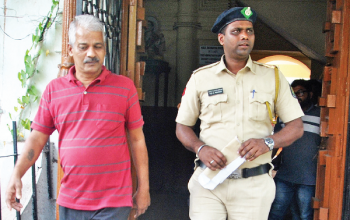
It was around 3.30 pm on Thursday when a police van carrying sleuths of the Special Investigating Team Sleuth (SIT) made its way in the compound of the South Goa Sessions Court building.
Police inspector, Uday Naik and his team members made a quite entry into the registration cell housed on the ground floor of the building, without creating any suspicion or doubt over their presence
in the South Goa Sessions court.
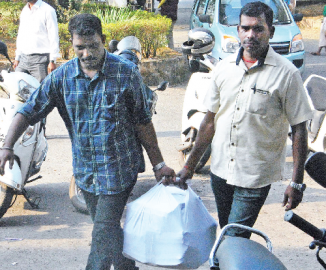
It was only moments later when two policemen unloaded the 1500-odd documents from the police van and headed to the court building that realization dawned that the SIT was down in South Sessions court to register the chargesheet against the likes of local Margao MLA and former Chief Minister Digambar Kamat, Praful Hede and former Sr. geologist in the mines department A T D’Souza in the mining case.
Members of the SIT team were not ready to throw light on the contents in the charge sheet, other than saying that the media can collect details from the headquarters.
They were ostensibly treading a cautious path given the sensitive nature of the case, involving local Margao MLA Digambar Kamat, who was the Mines Minister in the year 2007.
Will come out clean, says Digambar
MARGAO: Margao MLA Digambar Kamat appears bracing for a legal battle with the the Special investigation Team (SIT) charge sheeting him along with Prafulla Hede and A T D’Souza in the mining case.
He has to comment on the SIT decision to name him as an accused in the mining case on grounds that it is a court matter. But, he has made it amply clear that he would fight the battle in the court and come clean. “I do not want to comment on the SIT decision since the agency has filed the charge sheet. It is a court matter now, but I will fight it out in the court”, was all Kamat told The Goan when asked for his reaction to the SIT decision to name him in the
While Kamat refused to react to the charges, he had in the past made it very clear that whatever actions and decisions he had taken in respect of condonation of delay was in his capacity as the quasi-judiciary authority and based on the precedents and opinion of the Law department.