PANAJI
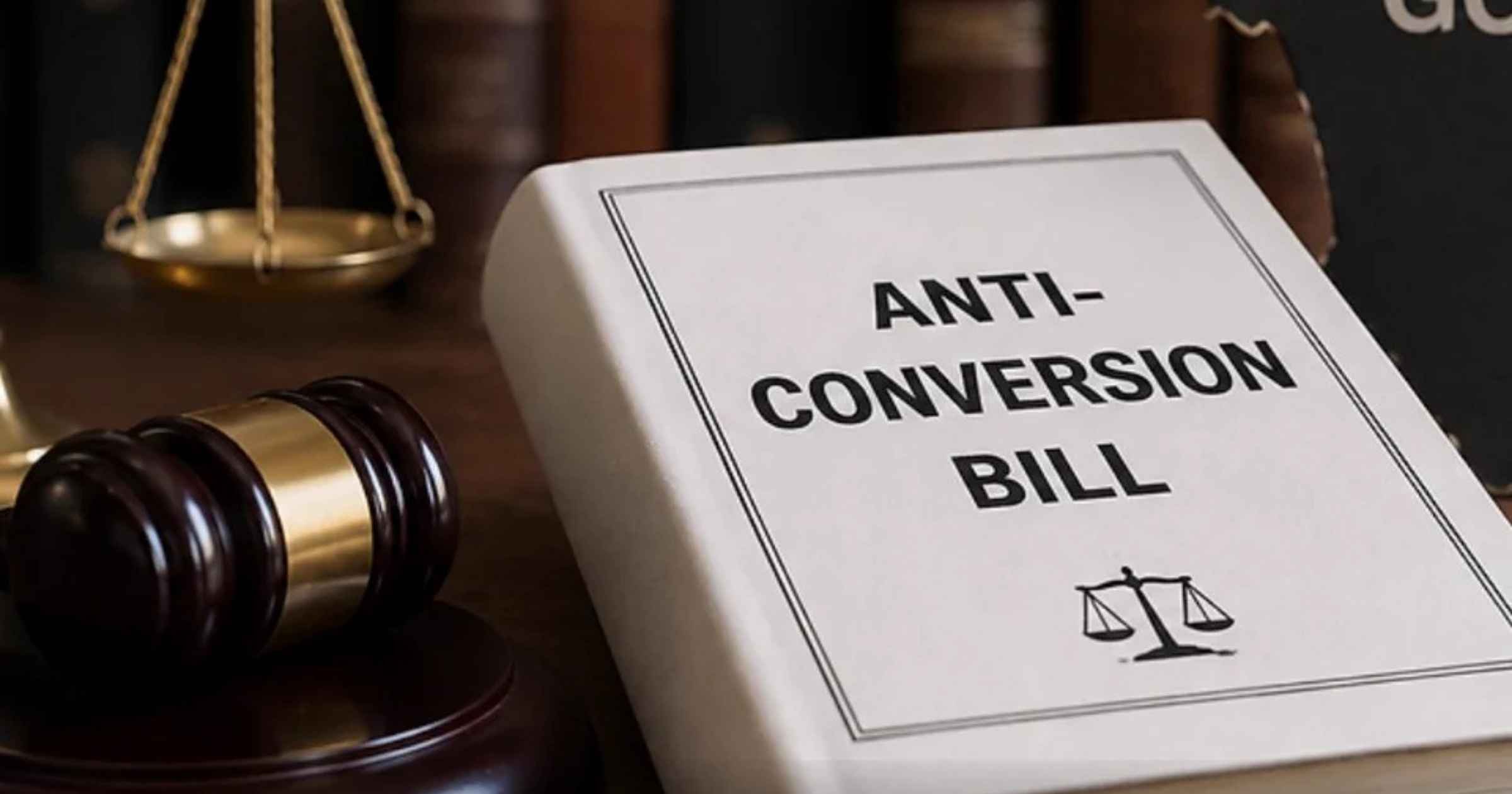
The State government on Monday backed away from introducing its controversial anti-conversion Bill in the ongoing monsoon session, with Opposition from within the ruling camp forcing the legislation off the Assembly’s agenda just minutes before the House met.
Chief Minister Pramod Sawant was scheduled to introduce the Goa Prohibition of Unlawful Conversion of Religion Bill, 2026 on the opening day of the session on Monday. However, ahead of the commencement of proceedings, Sawant held a meeting with Catholic MLAs from the ruling side after lawmakers, including BJP legislators, raised objections to its introduction. Following the meeting, the government decided not to move the Bill. It was subsequently removed from the Business List of the Assembly. BJP MLA Michael Lobo said the government had acted in haste by clearing the legislation in the Cabinet and needed to first examine its provisions and consider the views of all stakeholders. “We need to study the Bill, and everyone’s views need to be taken into account. Every person’s religious beliefs are important. There should be respect for all religions,” Lobo said, adding that “things are moving in the wrong direction”. “Whatever is good for Goa should be done, but only after proper study,” the MLA added. Independent MLA Aleixo Lourenço, who has extended his support to the BJP-led government, also said that the bill has been dropped following objections raised by the ruling MLAs. He questioned the need for such legislation in Goa, saying there was no data to establish a high number of religious conversions in the State. The Cabinet had cleared the Bill last week, triggering strong opposition from political parties and civil society groups, who alleged that the proposed legislation could divide society and create communal tensions. The Bill sought to prohibit conversions allegedly carried out through force, coercion, undue influence, allurement, fraudulent means or marriage. It proposed stringent punishment, including imprisonment of up to life and a minimum fine of Rs 50,000, besides compensation of up to Rs 5 lakh for victims. It also proposed making a marriage void if it was found to have been solemnised solely for the purpose of unlawful conversion or where conversion was carried out through marriage. Those facilitating unlawful conversions, including priests, karmkandis, maulavis and mullas, could face imprisonment ranging from three to 10 years. Punishment was proposed to be enhanced where the person converted was a minor, woman, person with disability or mental illness, or a member of the Scheduled Castes or Scheduled Tribes.