MARGAO
As authorities await the onset of the monsoon to help flush out sewage and waste from the River Sal and Margao’s stormwater nullahs, the government has proposed setting up four Sewage Treatment Plants (STPs) at different locations along the river banks.
Reason: The STPs have been proposed on the river banks to treat the untreated sewage and waste water before it is released in the river.
Of the four proposed STPs, two will be installed by the Water Resources Department on the banks of the River Sal, while the remaining two are expected to be funded by the Public Works Department (PWD).
Whether the proposed STPs will provide a lasting solution to the problem of untreated sewage being discharged into the river through the city’s storm water drains, however, remains a matter of debate.
The treatment plants are planned at points where storm water nullahs carrying untreated sewage and wastewater presently empty into the River Sal. The move has raised a pertinent question: When will Margao be fully connected to the underground sewerage network that has been laid over the years at a cost running into crores of rupees?
Sources said the proposed STPs are intended to intercept and treat raw sewage before it enters the river, thereby reducing the pollution load on the water body. However, concerns persist over whether the plants alone can effectively prevent the continued contamination of groundwater resources and address the root cause of the problem.
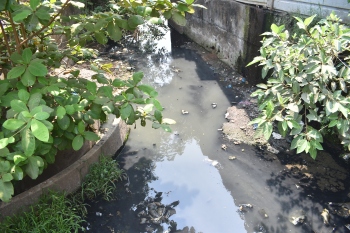
More than half a dozen storm water nullahs are reportedly carrying untreated sewage and wastewater from various parts of the city into the River Sal round the clock, underscoring the magnitude of the challenge facing Margao.
The situation has reignited the debate over whether the installation of three to four STPs can adequately tackle the issue, or whether the permanent solution lies in ensuring that every household and establishment in the city is connected to the underground sewerage network, thereby preventing untreated sewage from entering storm water drains in the first place.
WRD Minister mulls STPs on River Sal banks
Water Resources Department (WRD) Minister Subhash Shirodkar on Tuesday said the government has proposed setting up four Sewage Treatment Plants (STPs) along the banks of River Sal to address the long-standing issue of untreated sewage and wastewater flowing into the river.
Fielding questions from scribes during his visit to the city on Tuesday, Shirodkar said the proposed STPs would ensure that sewage and wastewater are treated before being discharged into the river, thereby helping reduce pollution levels.
“Of the four STPs, two will be set up by the WRD, while the remaining two will be funded by the PWD. This project will help tackle the pollution of River Sal,” the minister said.
Referring to the impact of the monsoon on rivers and water bodies, Shirodkar noted that heavy rains during the four monsoon months”June, July, August and September”naturally flush out accumulated dirt and pollutants.
“During the monsoon, rains wash away much of the rot and pollutants that have built up in rivers and other water bodies,” he said.
However, the minister stressed that the government was keen on finding a long-term solution to the problem of sewage contamination in River Sal.
“We have decided to install four STPs along the banks of River Sal”two by the WRD and two by the PWD. Once implemented, the project will significantly help in reducing pollution in the river,” Shirodkar added.