


the goan I network
MAPUSA
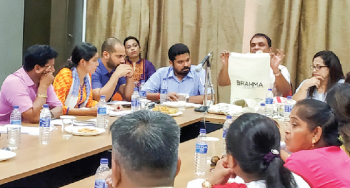
The city fathers of Mapusa Municipal Council had a long discussion on how to go about implementing ‘plastic bag free Mapusa’ at the council meeting on Friday, but failed to draw a concrete road map to enforce the decision.
Barring two, most councilors dithered from taking a firm decision on imposing penalty on people who use banned plastic bags.
MMC Chairperson Ryan Braganza came out with a plan of distributing cloth bags to all the households in Mapusa as part of awareness campaign against use of plastic bags. “We are looking at distributing two cloth bags each for around 18,000 households in the city which works out to a total of around 36,000 cloth bags,” Braganza said.
He said the total cost to manufacture the bags works to around Rs 12 lakh and the council was looking forward towards the corporates to fund the plan.
The chairperson also said that the council had approached some nationalized banks for funds but did not get a good response.
Former chairperson and senior councilor, Sandip Falari suggested that council should not rush through the plan of introducing plastic ban before making an alternative arrangement.
“Are we going to be strict against plastic bags after distributing the cloth bags? What action will be taken against those who are caught with plastic bags?” he asked and called for putting adequate system in place before going ahead with plastic ban.
Councillor Tushar Tople called for fixing penalty and start issuing fines on those who defy the ban.
“If a bigger place like Bombay can impose penalty why can’t a small place like Mapusa do it and set an example to others in the State,” he said.
Councillor Martin Carrasco suggested that the council should first stop use of plastic bags in the market and then supply cloth bags to people.
Councillor Rajsingh Rane suggested implementing plastic ban phase-wise beginning from flower and fruit markets.
Councillor Madumita Narverkar said that there was no need to undergo an expensive exercise of distributing cloth bags to people, as everyone was duty bound to do their own arrangement.
“It’s important to educate the shopkeepers and take them into confidence for the plastic ban to succeed,” Narvekar said.
The chairperson said that the council’s aim in giving cloth bags was part of a campaign to create awareness among the locals and added that the plan was getting stuck only because of funds.
Finally, the council decided to explore additional ways of garnering funds to put the plan into action.


