THE GOAN | NETWORK
MARGAO
With the monsoon knocking on the door, the Public Works Department (PWD) has intensified efforts to ensure the smooth functioning of Margao’s underground sewage network. In fact, a sewer suction-cum-jetting machine mounted on a tanker was seen in operation on the Erasmo Carvalho Road on Wednesday, clearing a sewage chamber and flushing out blockages in the underground pipeline.
While officials described the exercise as part of routine maintenance, the sight of the machine at work has once again brought into focus lingering concerns over the condition of the city’s underground sewage infrastructure and its preparedness to withstand the heavy rains expected during the monsoon season.
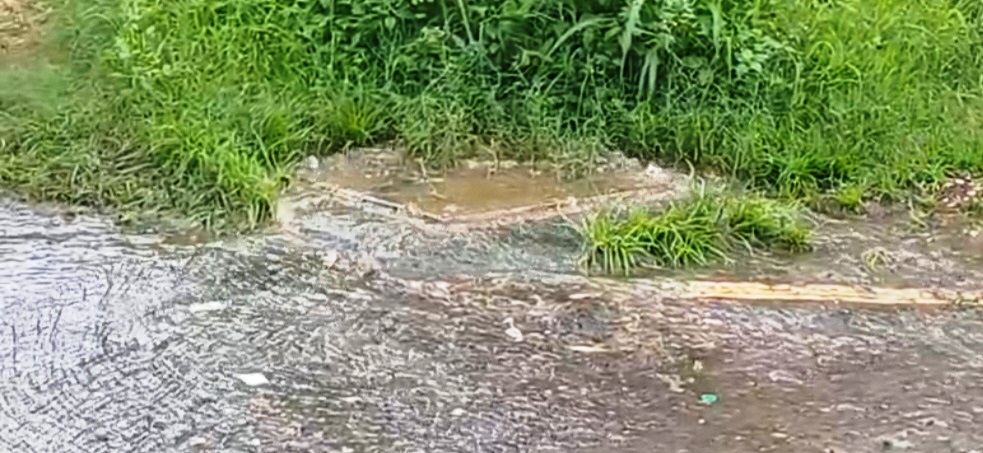
Residents and motorists passing through the area raised a number of critical questions. Is the underground sewage network now free of blockages? Has the perennial problem of rainwater infiltration into the sewage lines been effectively addressed? More importantly, will the city be spared the embarrassing and unhygienic spectacle of sewage water overflowing onto roads and public spaces when the monsoon arrives in full force?
The concerns are particularly acute in the city’s low-lying localities, where residents continue to recall last year’s ordeal when sewage water backed up into residential areas after the Sirvodem Sewage Treatment Plant (STP) was overwhelmed by excessive inflow caused by rainwater infiltration into the underground sewerage network.
PWD officials familiar with the maintenance operations said the sewerage department is currently undertaking preventive measures to clear blockages at identified locations across the city.
“The sewer suction-cum-jetting machine is being deployed on a routine basis wherever complaints of sewage backflow, clogged chambers, or slow drainage have been received. The objective is to maintain uninterrupted flow through the underground network and prevent any backflow of sewage water into adjoining areas,” a senior official said.
However, officials admitted that infiltration of rainwater into the sewerage system continues to pose a major challenge.
“There are several locations, especially in low-lying areas, where rainwater can enter the sewage network through old, damaged or poorly built chambers. In addition, some stretches of the underground pipeline were laid decades ago and may have deteriorated over time. Such ageing infrastructure can develop cracks or weaken joints, allowing rainwater to seep into the system during heavy downpours,” the official explained.
Excessive infiltration significantly increases the volume of water reaching the sewage treatment plants, often beyond their designed capacity. This not only affects treatment efficiency but can also trigger sewage backflow in vulnerable neighbourhoods.
According to department sources, plans are underway to replace ageing sections of the underground sewerage network that have outlived their service life. The proposed rehabilitation work is expected to commence after the monsoon season. “We have identified old stretches of the sewer lines that require replacement and strengthening. The work is part of a long-term strategy to reduce infiltration and improve the overall efficiency of the sewerage system,” the official added.
For residents, however, the effectiveness of these measures will be tested only when the first spells of heavy rain lash the city. Until then, questions remain whether Margao’s underground sewage network is fully prepared to cope with the challenges of another monsoon and whether low-lying areas will finally be spared the recurring menace of sewage backflow.
Households, societies told to fix sewage chambers to prevent system overload