


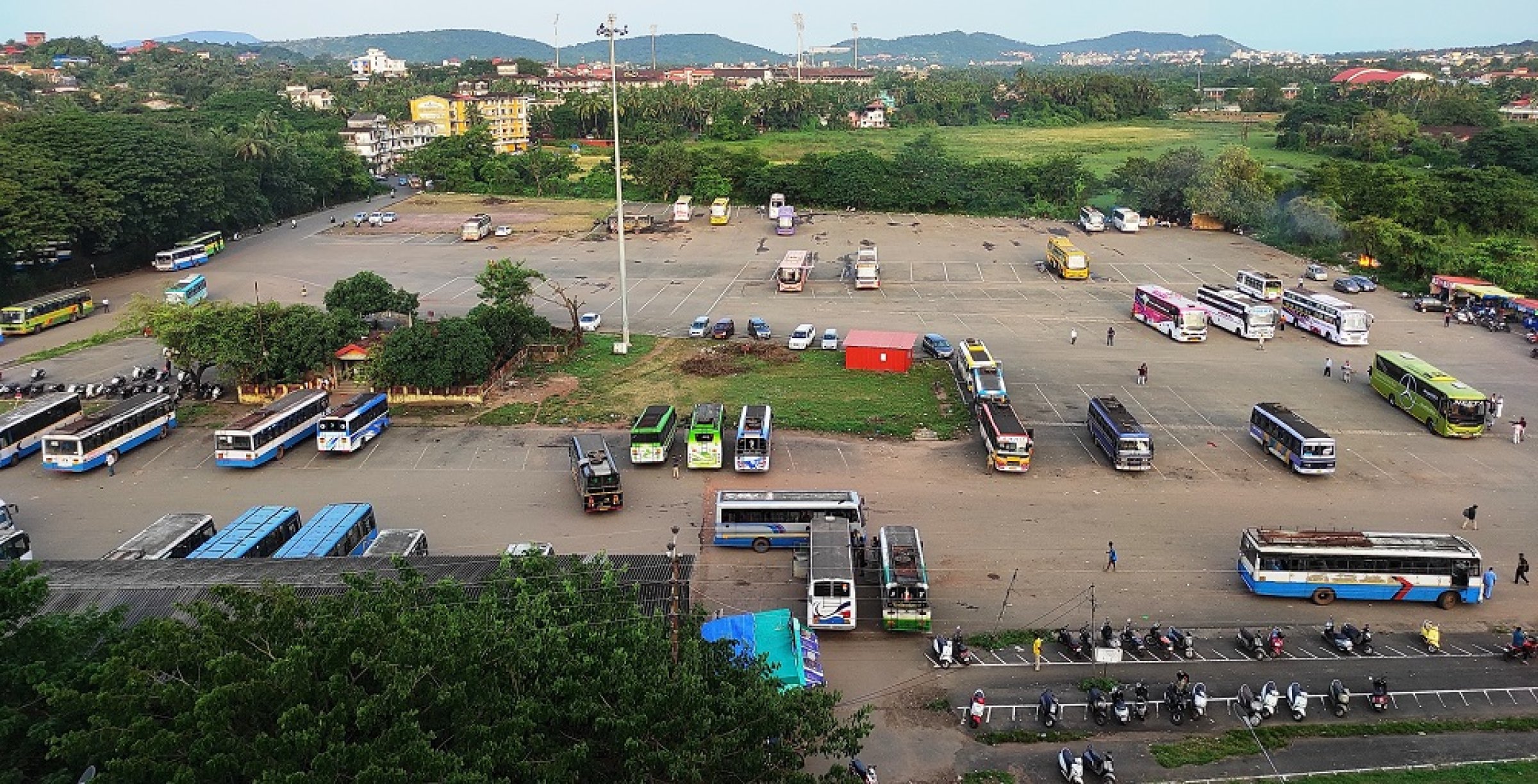
 The sprawling Margao KTC bus stand, earmarked for redevelopment under the PPP model, has become the focus of objections over the proposed commercial use of the prime property.
MARGAO
Yet another Dussehra has come and gone, but Margao is still waiting for the modern bus terminus promised 15 years ago, with successive proposals failing to translate into a facility that meets the needs of commuters.
Exactly 15 years after the foundation stone was laid for an ultra-modern bus terminus at the Kadamba Transport Corporation (KTC) bus stand, the ambitious project remains unrealised, leaving commuters and citizens wondering when the long-pending infrastructure will finally see the light of day.
It was on Dussehra in October 2011 that the foundation stone for the proposed bus terminus was laid during the Congress regime headed by then chief minister Digambar Kamat. The occasion raised hopes that Margao would soon have a modern transport facility befitting its status as the commercial hub of South Goa, catering to the needs of thousands of commuters and the buses that pass through the town every day.
A decade and a half later, however, those hopes remain unfulfilled. In the intervening years, the project has resurfaced under different names and in different forms — from the ultra-modern bus terminus to the Fatorda-Margao Bus Terminus and, subsequently, a bus port and the latest proposal under a public-private partnership (PPP) model. Yet, despite the changing nomenclature and successive proposals, the situation on the ground remains largely unchanged.
While several towns and even smaller places have moved towards developing bus stands with better passenger amenities and improved transport infrastructure, Margao continues to wait for a facility that has been promised for well over a decade and a half.
A commercial focus at the cost of public transport?
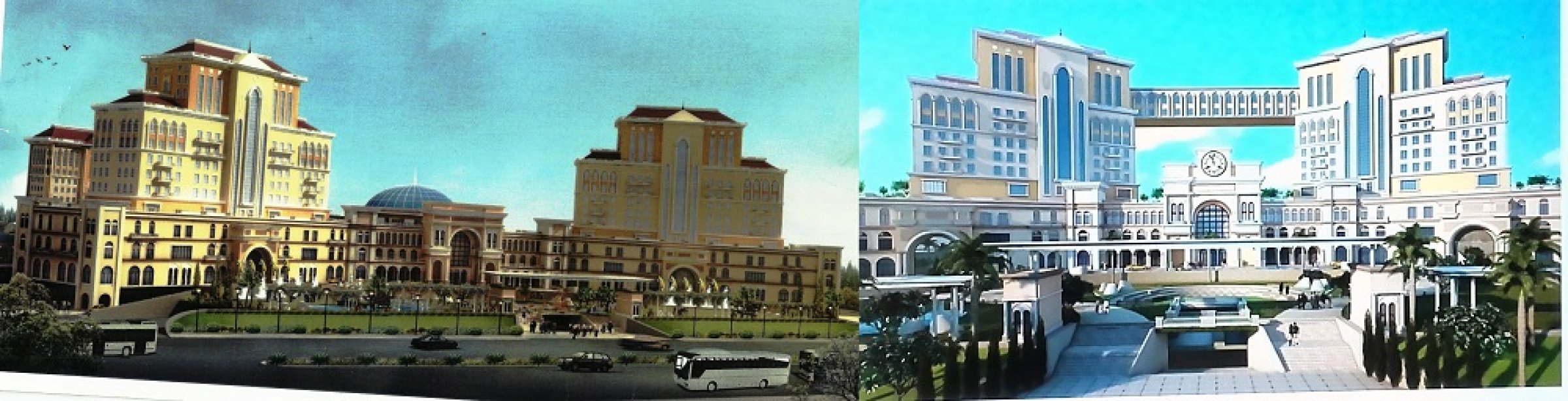
Critics argue that successive proposals have sought to combine the bus terminus with commercial development, including shopping malls, hotels and other commercial establishments. While such components may be projected as a means of generating revenue and financing infrastructure, questions remain over whether the core objective of providing an efficient, commuter-friendly bus stand has been relegated to the background.
A closer examination of the proposals mooted over the years reveals a recurring emphasis on the commercial potential of the sprawling property, measuring approximately 50,000 square metres. The concern is that only a portion of this valuable land would be earmarked for transport-related infrastructure, while substantial attention would be devoted to commercial spaces and revenue-generating activities.
This has thrown up a question: Is the government primarily interested in creating a modern public transport facility, or is it seeking to unlock the commercial value of the property through private participation?
A public asset for future generations
The debate also brings into focus the history of the Margao bus stand and the importance of preserving adequate space for future transport needs. The present KTC bus stand was established in 2004-05 after the old bus stand, located in the heart of the commercial capital, had outlived its utility. The relocation was made possible because suitable vacant land was available at the time.
But the circumstances have changed considerably since then. Land has become increasingly scarce, and the possibility of shifting a major bus terminus to another location in the future cannot be taken for granted.
Reflecting on the long-term implications of the proposed development, a citizen said the government must look beyond immediate financial considerations and plan for the next 50 to 100 years.
"Just because there was vacant land at the Old Market, the government could shift the old Margao bus stand in the 1980s. Since land is scarce now, there may not be any space available in the future to shift the bus stand. Hence, the government should opt for the optimum utilisation of the existing property without inviting private players for the commercial exploitation of the land," the citizen said.
Planning beyond immediate financial gains
The larger issue confronting Margao is whether the development of a public transport facility should be driven primarily by its commercial potential or by the needs of the people who depend on it.
There is little disagreement that the KTC property is valuable and that its development must be planned carefully. Nor is there anything inherently wrong with considering revenue-generating activities as part of a public infrastructure project. The crucial question, however, is whether commercial development should be permitted to dictate the extent, design and future utility of a bus terminus.
A citizen remarked: “Fifteen years after the foundation stone was laid, Margao deserves more than another proposal, another project title or another promise. It deserves a clear decision, a transparent development plan and a definite timeline for implementation”.
====
₹250-crore PPP project awaits clearance amid opposition
MARGAO: The fate of the tender floated by the Transport Department a year ago to build the modern bus stand at Margao under the public-private partnership (PPP) model remains uncertain, with citizens' groups and local Fatorda MLA Vijai Sardesai opposing the project.
While the government had proposed the project in its Budget speech, the department has been waiting for the Finance Department to grant sanction to proceed with the Rs 250 crore project.
In the meantime, Fatorda MLA Vijai Sardesai has threatened to take to the streets if the government tries to bulldoze the project through under the PPP model.
“The bus stand project floated by the Transport Department is nothing but a real estate scam. We will not allow the bus stand to take shape under the PPP model. When the double-engine government takes pride in executing infrastructure works amounting to thousands of crores, why can’t the government finance the Margao bus stand project departmentally?” Sardesai asserted.


