VALPOI
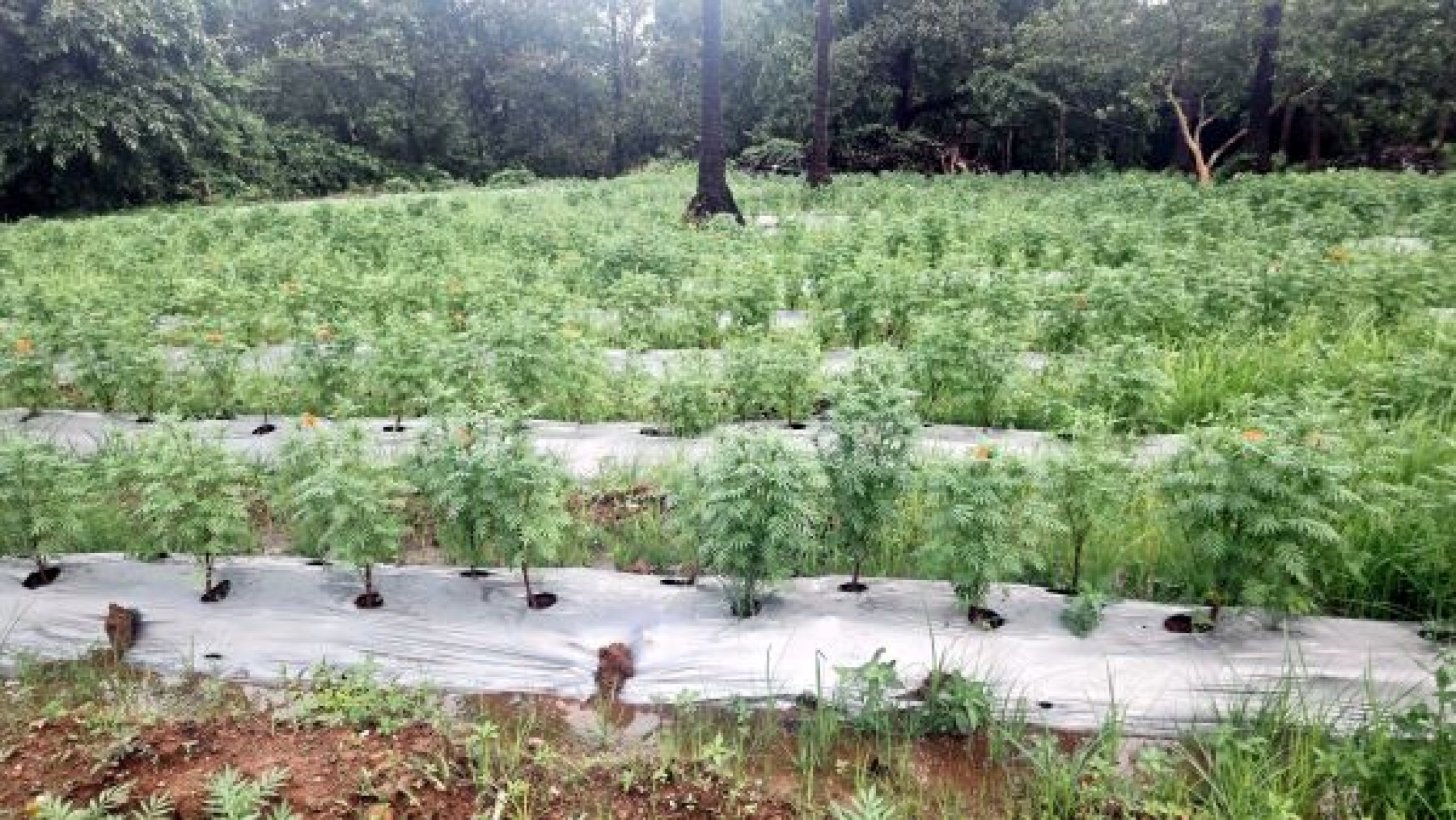
The prolonged absence of rain over the past eight days has begun to affect marigold cultivation across Sattari taluka, raising serious concerns among flower growers.
With soil moisture levels declining and temperatures increasing, young marigold plants in several areas are reportedly beginning to wilt and dry up.
Farmers fear that if the region does not receive rain over the next few days, the marigold crop could suffer extensive damage. Such a situation could significantly affect flower production in Sattari and create financial difficulties for several growers who have invested in the crop with the expectation of good returns during the Ganesh Chaturthi festival.
Marigold flowers are an important part of Ganesh Chaturthi celebrations and are widely used for garlands, decorations, and religious rituals. The crop is therefore particularly important to local growers during this season.
According to information available, nearly one lakh marigold plants have been cultivated across Sattari this year. Many flower growers had undertaken the cultivation with the expectation of obtaining a substantial harvest during the Ganesh Chaturthi season, when demand for marigold flowers traditionally rises sharply.
The plants were reportedly planted at several locations around ten days ago. Initially, the rainy conditions provided sufficient moisture and farmers were hopeful of healthy growth. However, the sudden break in rainfall over the past eight days has changed the situation, with growers now increasingly worried about the survival of the young plants.
The absence of rainfall has also resulted in an increase in daytime temperatures. The rising heat, combined with declining soil moisture, is placing additional stress on newly planted marigold crops.
Farmers say the roots of some plants have started drying due to the lack of moisture, while several plants have begun to wilt. If the dry conditions continue, the growth of the plants could be stunted and flowering could also be adversely affected.
The present stage of the crop is considered particularly important. Timely rainfall could restore moisture in the soil and help the plants recover. However, a further delay could result in substantial crop losses.
Saving the crop under the prevailing conditions may require growers to arrange alternative sources of water. For small and marginal flower producers, however, arranging water and transporting it to the fields could involve additional expenses.
Since the crop was planted expecting regular monsoon rainfall, many growers had not made elaborate irrigation arrangements. The sudden need for additional water has therefore emerged as another challenge.
Marigold flower production from Sattari plays an important role in meeting local demand and supplying flowers to markets in surrounding areas.
If the prolonged dry spell results in a reduction in production, the supply of locally grown flowers could decline. This may lead to higher prices in the market, placing an additional burden on consumers during the festival season.