MAPUSA
The recent arrests of two individuals and the booking of four others by the Mapusa police in connection with the Cunchelim comunidade land scam have raised pressing questions about the depth and direction of the investigation. While the arrests signal progress, they appear to target minor players, leaving concerns about whether the main culprits “ allegedly influential figures “ will face accountability.
The scam has left over 140 families devastated, duped into purchasing parcels of comunidade and government-acquired land in Cunchelim.
These victims, unaware of the legal restrictions on such properties, invested their life savings to build homes, only to see them labeled as illegal.
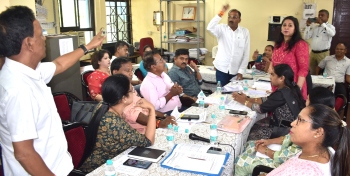
The fraudulent dealings came to light when more than 100 families gathered in front of the Mapusa police station early last month, accusing certain individuals of orchestrating the scam.
However, initial police action “ or the lack thereof “ has come under intense scrutiny.
Critics argue that the Mapusa police failed to act decisively when the victims initially highlighted the fraud.
Although media reports cited victims naming specific individuals, the police claimed that the written complaint lacked direct accusations, effectively stalling the investigation.
Advocate Mahesh Rane condemned this approach, stating, “The victims named the accused and even provided evidence in the media, but instead of probing the allegations, the police turned the victims into culprits, accusing them of encroaching on comunidade land. This was a case fit for immediate investigation from day one.”
Activist Jawaharlal Shetye also criticised the apparent double standards in the application of the law.
“When VIPs or influential individuals lodge complaints, action is swift “ even without a written complaint. But the common man is required to file formal complaints and is still ignored. Where is the equality before the law?” Shetye questioned.
Judicial intervention
and govt promises
The scandal gained momentum when five affected families, whose homes were marked for demolition, approached the High Court of Bombay at Goa, seeking a stay.
They detailed how influential individuals misled them into buying restricted land and siphoned off their life savings.
The court's intervention prompted the State government to assure action against the culprits, including officials within the Cunchelim comunidade.
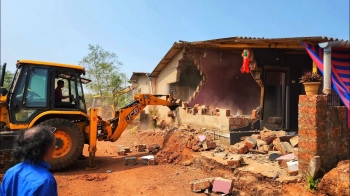
While 31 unauthorized structures on comunidade land acquired by the government were demolished, recently, the North Goa Administrator of Comunidades issued show-cause notices to individuals who had constructed homes on comunidade land in Cunchelim.
However, many believe these measures target the victims rather than addressing the root of the fraud.
Influential figures
in the crosshairs
According to sworn affidavits filed by at least 102 victims, several key players in the managing committee of Cunchelim comunidade and a Mapusa councillor are implicated in the scam.
These affidavits accuse them of orchestrating the fraudulent sales, leveraging their positions of influence to mislead buyers.
Despite this, the police investigation seems to be focusing on smaller operatives, leaving the alleged masterminds untouched.
Activists and legal experts are questioning whether the investigation is being influenced to protect high-profile individuals.
The Cunchelim case highlights systemic issues in how fraud cases involving powerful individuals are handled.
The selective targeting of minor players has led to growing skepticism about whether the long arm of the law will reach the key perpetrators.
While the State administration has taken steps such as demolishing unauthorized houses and issuing notices, these actions have done little to address the plight of the victims or ensure justice.
The broader question remains: Will the investigation truly hold the influential accountable, or will it serve as a smokescreen to protect them?
Without a thorough and impartial probe, the Cunchelim scam risks becoming yet another example of how power and privilege can distort justice.