


From understanding simple financial terms such as budgeting and responsible spending, DhanWise, an initiative by Pranali Naik under Global Shapers Panaji Hub, aims to normalise conversations around finance and money
PANAJI
“A penny saved is a penny earned,” a saying passed down for generations, yet how many really understand the basics of money? While common conceptions and misconceptions about earning and saving exist, it goes without saying that in this economy, these should become habits that cannot falter.
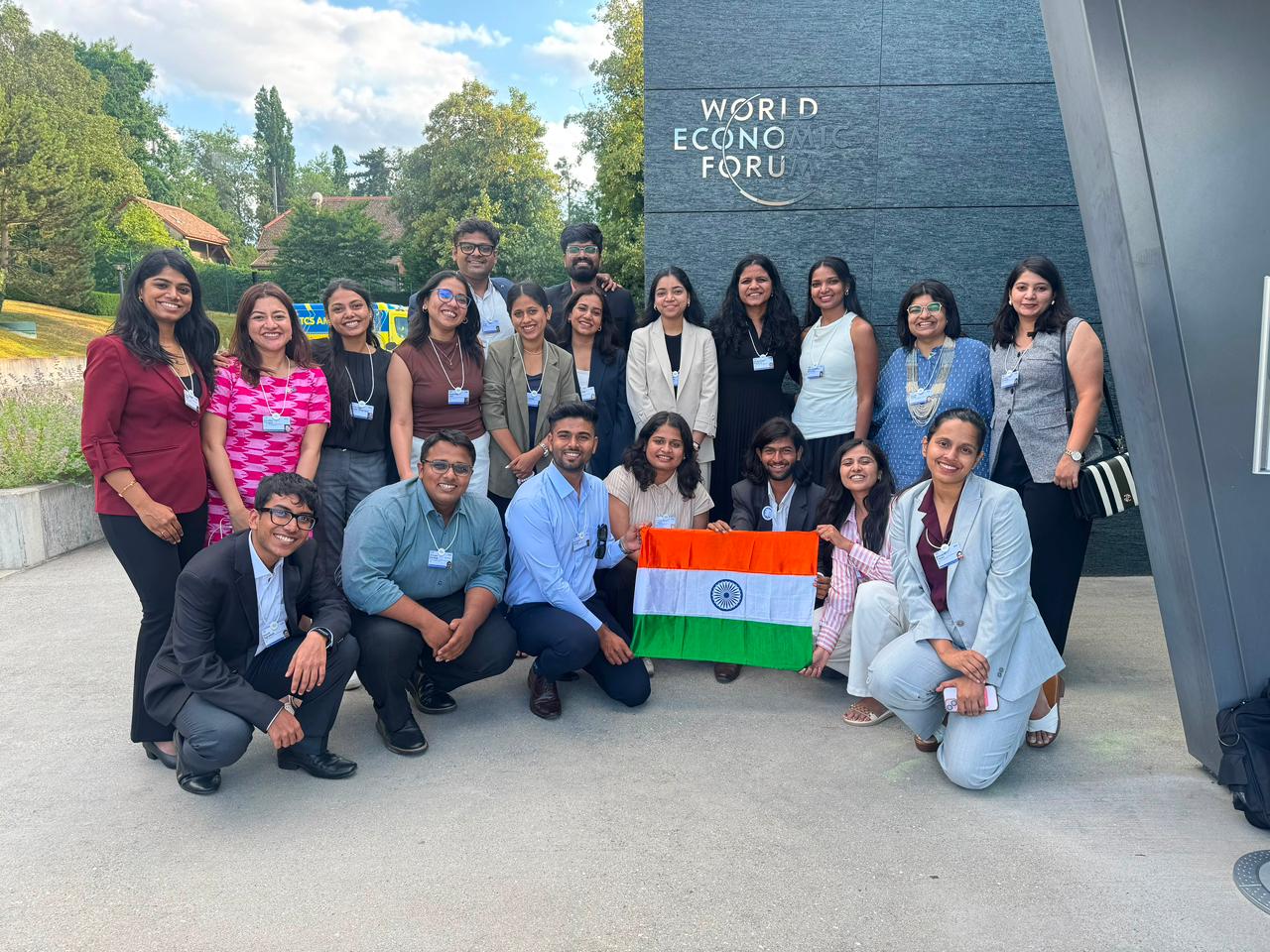
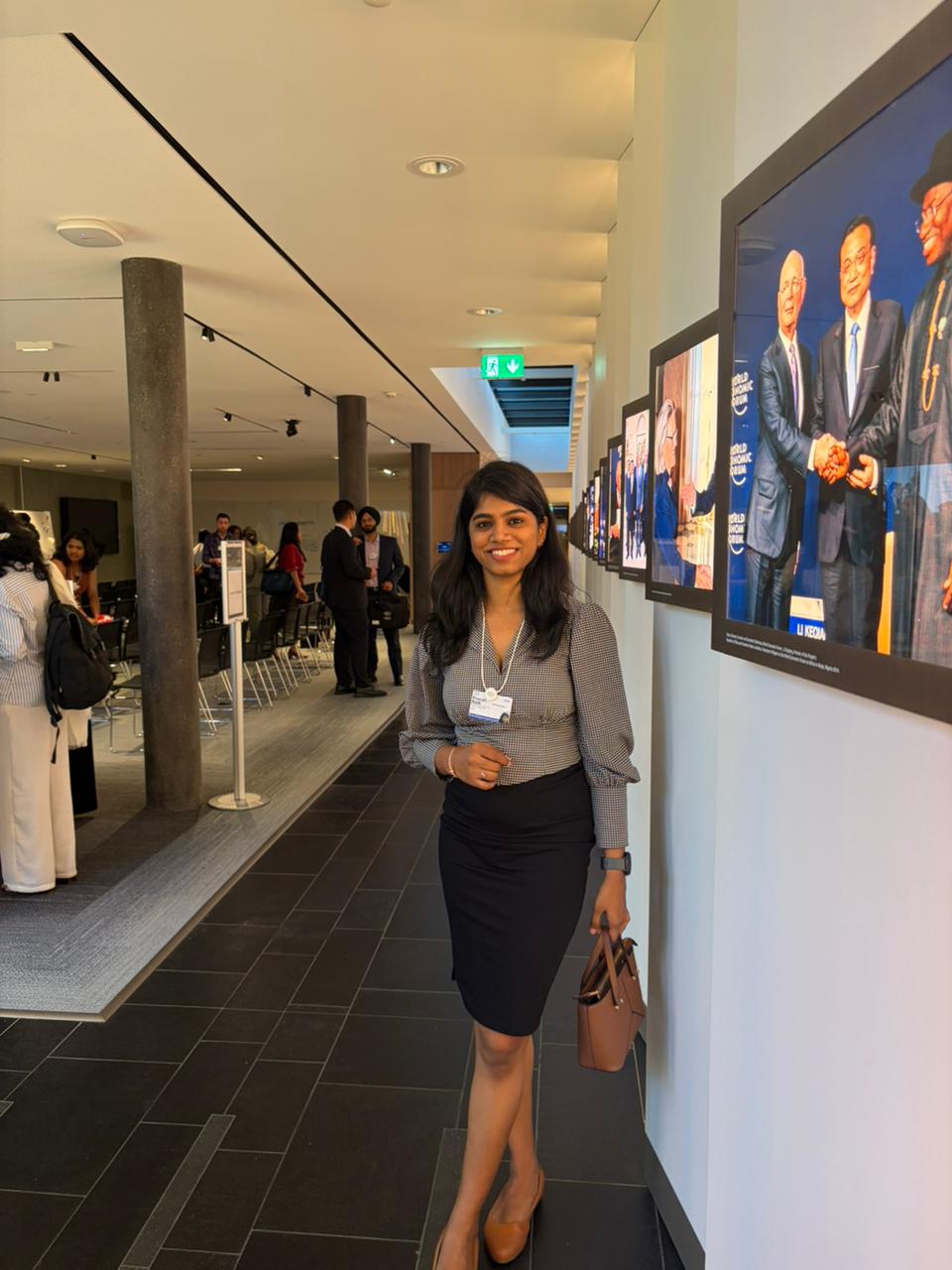
Project DhanWise begins with this aim. Pranali Pradeep Naik, Curator, Global Shapers Panaji Hub, an M Com graduate and a first-year M A Development student at Azim Premji University, Bangalore, recently represented her project DhanWise and the State of Goa at the Global Stage as she attended the Global Shapers Annual Summit in Geneva, Switzerland.
Making money matters simple
DhanWise, a financial literacy initiative by the Global Shapers Panaji Hub, aims to make conversations around money simple, accessible, and inclusive. The project helps young people understand personal finance, from budgeting, saving, responsible spending and banking to correct financial decision-making. “We realised that while everyone has to make financial decisions, it is not something we formally learn about. DhanWise bridges the gap by creating safe spaces where people can learn practical skills and feel confident managing their own finances,” mentions Naik, the brain behind this initiative.
While complex profit-and-loss word problems are taught in school math classes, practical knowledge of finance lags far behind. With no one to teach what saving truly is, Naik believes many young people start earning before they can even understand what money management means. She hopes to introduce these conversations through her project and help people understand simple concepts like budgeting, emergency savings, understanding needs versus wants, and planning for the future. “Understanding financial knowledge can completely change someone’s relationship with money. The goal is not to turn everyone into finance experts, but to give them confidence and basic knowledge required to make better choices,” she says.
Turning challenges into change
Naik said the biggest challenges were simplifying financial concepts, building a sustainable volunteer-led model, and securing resources to scale the initiative. These were addressed by training student volunteers, expanding community partnerships, and exploring funding for digital and local-language learning resources. “Real impact comes when more people take ownership and continue creating change,” she said.
She has one simple piece of advice for beginners: “Start early and be intentional!” The goal should not necessarily be about investing but rather about building a habit. “Many avoid conversations around money because they feel they are expected to already know everything, but learning and understanding before making financial decisions is crucial,” she says. According to Naik, financial literacy is about empowerment. Money affects education, choices, opportunities, independence, and quality of life. “Many people focus only on earning more, but managing money is equally important, as higher income does not automatically create financial stability. Thus, the best financial plan is one that aligns with your own life,” she says.
Taking Goa to the global stage
As she attended the global conference, she believes this platform is an opportunity for her to showcase these initiatives, learn from projects being implemented by other hubs across the world, and understand how young changemakers work. “Attending the Global Shapers Annual Summit was truly an unforgettable experience,” she says. It was filled with learning, meaningful conversations, and connections with inspiring young leaders from across the world. Naik mentions how representing the Global Shapers Panaji Hub and Goa on a global platform was both an honour and a responsibility for her. The summit created a platform that gave a stage to young leaders from diverse backgrounds to share their ideas and the work they are doing to address challenges within their communities.
“The summit created a space to exchange ideas, understand different approaches, and learn how communities across the world are creating solutions aligned with global challenges; it reinforced the idea that even small local actions, when driven by collective effort, can contribute to larger global change,” she mentions.
Building a financially aware future
The vision for DhanWise is to grow beyond one-time sessions and build a sustainable financial literacy movement. It aims to reach more students through engaging one-hour sessions in schools, with a special focus on government schools, where many children from migrant and daily wage worker families have limited exposure to financial education. The initiative seeks to fill gaps in understanding money management, savings, banking, and informed financial decision-making.
Beyond schools, DhanWise hopes to expand to women’s self-help groups and other community organisations, where financial awareness can foster long-term empowerment. The team also envisions creating a ripple effect by training young volunteers as financial literacy ambassadors who can take these lessons to more communities. Ultimately, DhanWise aims to become a scalable model that equips people with practical financial skills, promoting independence, confidence, and greater opportunities.


