=====================
THE HEALTHY GOAN
=======================
Dr Ruby Singh
It is deeply concerning to witness increasing rates of childhood obesity, anxiety, behavioural concerns, sleep disturbances and poor posture in young children. Today’s youth navigate complex stressors, from the sedentary habits induced by years of competitive exam preparation to chronic stress amplified by social media peer pressure. Furthermore, easy access to junk food has exacerbated metabolic concerns.
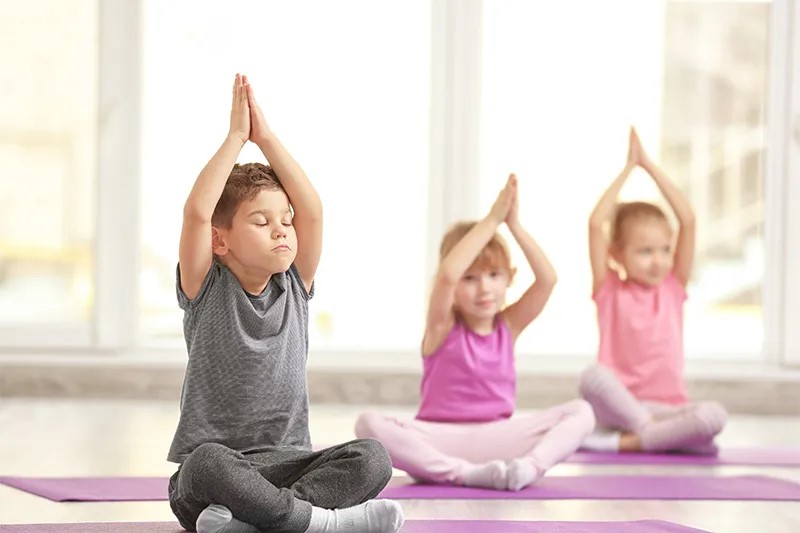
In this landscape, yoga offers a simple, cost-effective and scientifically supported approach to promoting physical and mental well-being. Yoga has transcended geographical, cultural, and linguistic boundaries to become a truly global wellness movement. Far from being just a physical exercise, it serves as a holistic lifestyle intervention. Research supported by the World Health Organization (WHO) and the National Centre for Complementary and Integrative Health (NCCIH) demonstrates that yoga strengthens a child’s natural physiological and psychological defences.
Regular practice acts as a powerful countermeasure against the modern epidemic of chronic low-grade inflammation, frequently linked to obesity, chronic stress, sedentary living and sometimes even extensive vaccination. Gentle stretching and relaxation techniques reduce stress hormone levels, improve blood circulation and support healthy inflammatory responses. From a cardiovascular perspective, yoga enhances autonomic nervous system balance and encourages relaxation. Breathing exercises and relaxation techniques may also aid in healthy blood pressure regulation by reducing excessive sympathetic activity. Early adoption of yoga may help address cardiovascular risk factors and promote long-term heart health.
The toll on musculoskeletal systems caused by long hours of sitting is equally addressed through regular practice. Weight-bearing postures may also support bone health during crucial growth periods, while targeted asanas are known to improve core strength, enhance flexibility and correct spinal alignment, drastically reducing neck and back discomfort and improve neuromuscular fitness.
Yoga extends beyond physical posturing to rewire emotional and cognitive responses. By activating the parasympathetic nervous system—the body's natural ‘rest-and-digest’ mechanism—mindfulness-based yoga lowers anxiety, reduces stress-induced eating behaviours, improves body awareness, fosters emotional resilience and supports healthy lifestyle habits. Systematic reviews connect regular practice with an enhanced attention span, better executive function, better working memory, self-discipline and Concentration, directly optimizing classroom performance. Furthermore, pranayama (yogic breathing), such as diaphragmatic breathing (Bhrastrika) and alternate nostril breathing (Anolom-Vilom), are said to effectively reduces mental overactivity, support physiological states associated with rest and improve sleep quality.
Yoga requires minimal equipment, can be practised in small spaces and safely adapted for children of all abilities, including those managing obesity, chronic pain, asthma or limited mobility. While early benefits like improved sleep and relaxation can be noticed within weeks, structural improvements in posture and fitness emerge over several months. To ensure safety and prevent muscle strains, children should progress gradually under the guidance of qualified instructors who utilize age-appropriate modifications.
Ultimately, celebrating yoga reminds us to view it as a lifelong skill. By integrating yoga into family routines, school curricula and clinical recommendations, we can empower children to build a permanent foundation for physical vitality and emotional well-being.
(This writer is a paediatric intensivist at Healthway Hospitals, Old Goa)