DR UBALDINA NORONHA
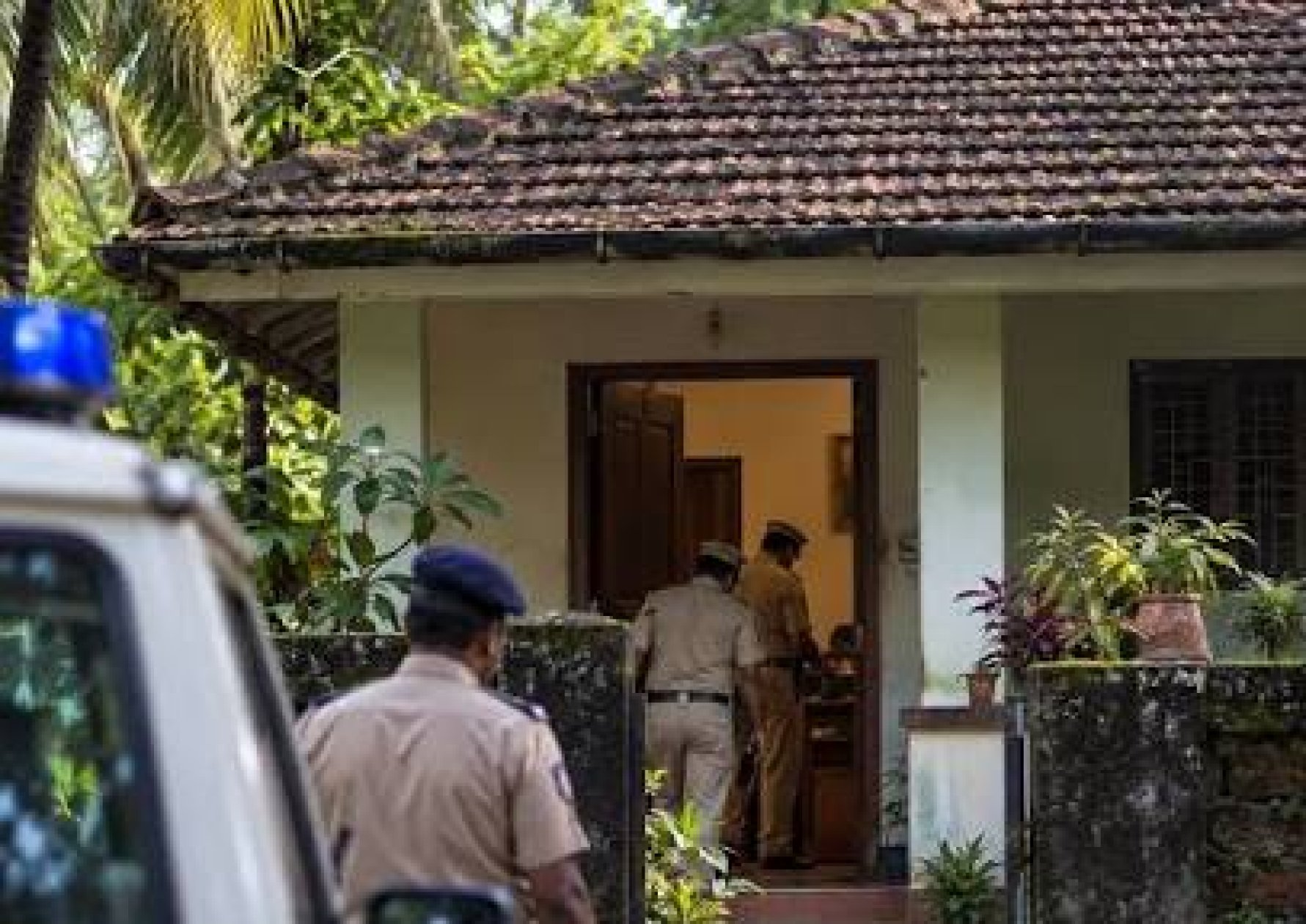
The recent discovery of two elderly sisters, both living together and unmarried, found dead in their Canacona home is heartbreaking. A suicide note stated that they had saved some money for their own cremation. The fact that they were found in an advanced state of decomposition suggests they had died several days before being discovered.
Their story becomes even more disturbing when seen alongside another recent incident in Pernem. Two elderly sisters caring for their brother reportedly took his body to a municipal crematorium after he died hoping that he could be cremated there without payment.
Having pooled together whatever little money they had to hire transport, they arrived in the evening and found the crematorium unattended. They had no money to buy firewood, no money to take the body home and no means of transporting it elsewhere. The body was left there overnight because the family had exhausted every option.
In both these cases, poverty transformed death into a logistical crisis. The burden fell on elderly women who were already living at the margins of social and economic insecurity.
Elderly women in India face a unique convergence of financial and psychological vulnerabilities. For unmarried and widowed women, old age can involve a particularly harsh combination of risks, limited income, inadequate property ownership, declining health, and weak family networks.
Many have spent their lives performing unpaid domestic and caregiving work, yet reach old age without sufficient savings, pension security, health insurance or dependable support. Psychologically, isolation and loneliness in old age is strongly correlated with depression, anxiety and suicidal ideation. For women, who often outlive their spouses and have limited social support outside the family, the risk is even higher.
The Maintenance and Welfare of Parents and Senior Citizens Act, 2007, exists on paper, but enforcement is weak and awareness is low even among the elderly. There is a lack of a single, working clearly publicised helpline for emergency food, medical care, transport, and funeral assistance. Better coordination is required between panchayats, hospitals, police, social-welfare departments, NGOs and even religious institutions.
Further, elderly care in India is sharply divided. On one end are luxury retirement communities and affordable only to the wealthy. On the other are government-run or charitable old-age homes, often understaffed, underfunded and offering minimal care. Reports of neglect, abuse and poor living conditions deter many from seeking institutional care even when it is available. Properly regulated old-age homes with minimum standards for staffing, hygiene, medical care and safety are essential.
Communities can also create simple neighbourhood safety nets; a weekly visit, a phone call, help with pension applications or assistance in arranging a doctor. Such contact is a modest form of collective responsibility. Partnering with NGOs can extend the reach of medical and social services to more isolated elderly individuals. All must also advocate for policy changes that support elderly care and choose leaders who will do so.
The Supreme Court has recognised that the right to life and dignity extends to the dead and the National Human Rights Commission has emphasised the right to timely and decent burial or cremation. These principles, however, have little meaning if marginalised elderly do not know where to seek help, encounter unclear procedures and have no emergency financial support. What is glaringly absent is a comprehensive, proactive system for identifying and supporting end-of-life support systems for these elderly.
There is a profound truth in the idea that a society can only be judged by how it treats its most vulnerable members. The Canacona sisters and the Pernem family revealed a system failed to offer them alternatives. Their stories are a mirror held up to all of us. It reflects our collective indifference, our institutional gaps and our moral shortcomings.
But it also offers an opportunity to rethink how we care for our elders, to build systems that prevent such tragedies. Dignity in death is not charity. It is a basic social obligation. For the sake of the countless others who remain invisible, we must do better.
( The writer is Associate Professor, Department of Psychology, St Xavier’s College, Mapusa)