


In the first part of the article, we looked at where Goa Tourism stands. In this concluding part, we analyse the lifecycle of a tourism destination and whether Goa can look at rejuvenating to stay competitive with other destinations.
It is interesting to look at Prof Richard Butler’s Tourism Area Life Cycle (TALC) that he created in 1980. Butler was Emeritus Professor at the Strathclyde Business School in Glasgow and he equated the lifecycle of a tourism destination to that of a product or service.
He listed six stages in the lifecycle, beginning with exploration, where the destination is discovered by adventurous people looking for something different. This happened in Goa in the 1960s when the hippies descended onto the then Union Territory. Butler’s next stage is involvement, where locals enter the trade by providing the tourists with accommodation, food and transport. We again have seen this happen in Goa in the 1970s and 1980s, when tourism was still not fully controlled.
The next stage was a development where big companies enter the destination. Taj and Oberoi were the pioneers among the known names in Goa, but the 1990s brought in a flurry of starred hotels and all the big names began to come in. This period in Goa saw not just hotels, but real estate and construction companies entering the industry with rentback apartments, that the buyer would rent to the developer who in turn used these as accommodation for tourists. Tourist numbers swelled and so did jobs in the industry. Along with these, came the ‘international trippers’ as Simoes referred to them and domestic travellers also filled the available rooms.
The next two stages developed by Butler can also be seen in Goa’s tourism market. Consolidation is when the local economy is dominated by tourism and the industry provides the largest number of jobs. This too happened in Goa, leading to people ignoring traditional occupations. Butler, however, cautioned that at this stage there would be building activities that would start to make the destination unattractive. One just has to travel to the coast to see that this too occurred in Goa and most of it was between 2000 and 2010.
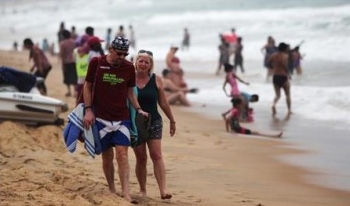
The next stage of stagnation is probably what Goa is beginning to experience at the moment. Here according to Butler, the destination faces competition, there is rowdiness and the destination stops growing. Goa’s beaches, littered with garbage and the arrival of tourists in private vehicles that are converted into lodging for the night and who cook in open spaces are a perfect example of the rowdiness that Goa tourism is facing. The brawls among tourists and locals could also be used as examples of this.
From here, there are two possibilities that Butler theorised. The destination can either decline or it can rejuvenate. The former usually occurs slowly but some factors can speed this up, and Goa has seen how the pandemic did accelerate the downward spiral of tourism. Revenge tourism may have helped Goa Tourism to get back on its feet, but the State cannot afford to let tourism destination decline.
The Butler model of a tourism destination’s lifecycle is a great tool to understand how tourism has developed in Goa and where it stands in this lifecycle. From stagnation, it has to look at rejuvenation. That requires State and private intervention that brings in investment to recreate the destination. Goa needs therefore that intervention from the government and private industry and it simultaneously does have to search for new markets to keep the numbers from dropping.
But, before traipsing around West Europe, Goa Tourism needs to have the infrastructure for these tourists in place. What new attractions can it sell in France, Germany, Switzerland and Austria? Just roadshows in West Europe will not conjure a revival of the tourism trade in the State. They have to be backed by attractions in Goa.
Conclusion
The main question, therefore, is what is Goa offering European tourists that it did not offer decades ago or even just a few years ago? Was there any rebuilding of the destination during the pandemic?
The answer to the first question would probably be not much and to the second none. The pandemic period did allow time for recreating the destination. That time was not utilised to the best.
Tourism is not static, it is instead fickle, dependent on various factors that can either boost it up or knock it down. The Butler tourism destination lifecycle is a great analysis model to study Goa Tourism and plan for the future. It needs to be done and done fast.


