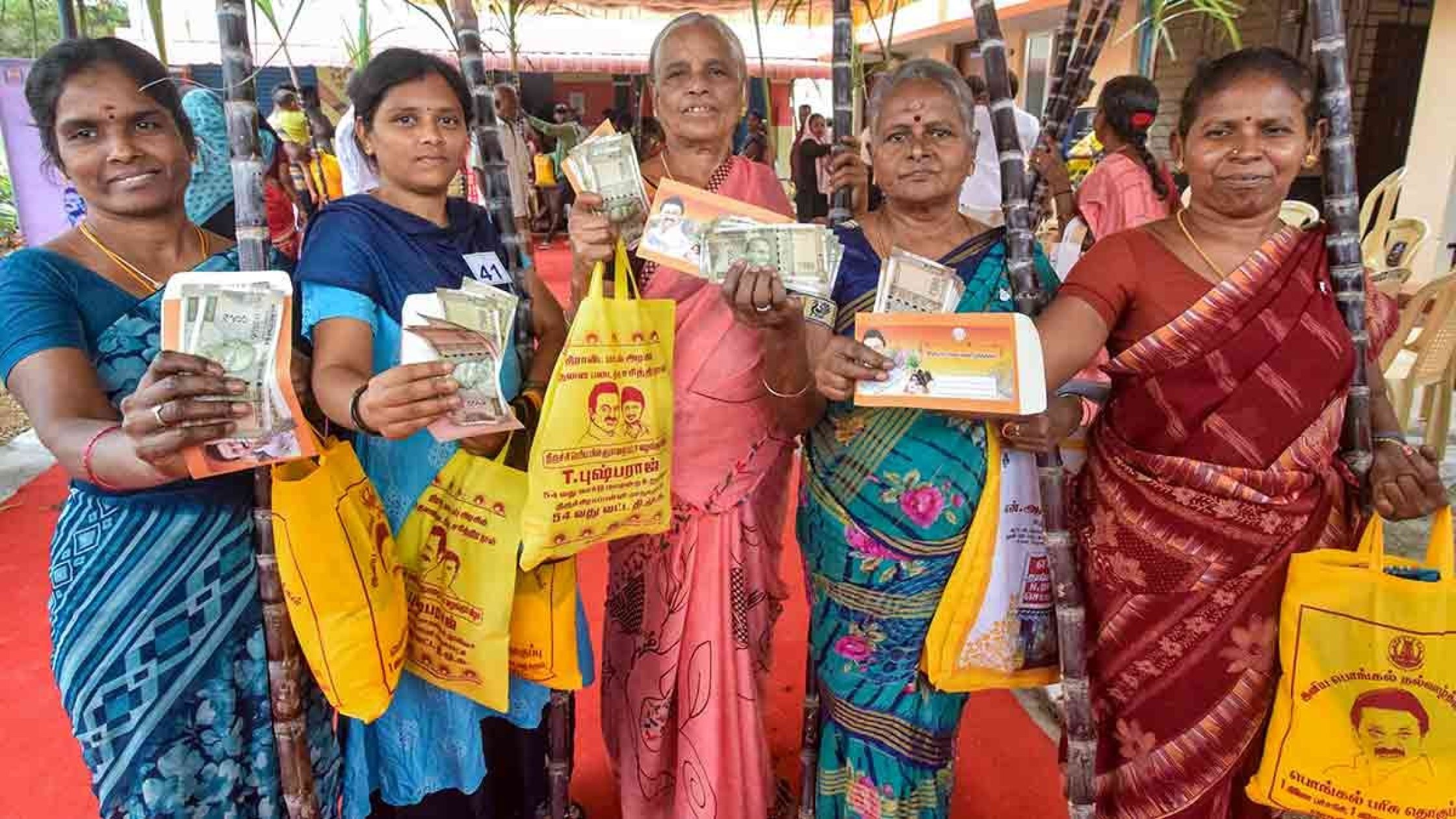
Since Goa's Liberation on December 19, 1961, successive governments have undertaken numerous infrastructure projects, public institutions and developmental initiatives. Yet, accompanying many such undertakings has been a recurring political tradition: the association of publicly funded achievements with the names, photographs and personalities of the elected representatives presiding over their execution.
While acknowledging the participation of elected representatives in public administration is entirely legitimate, the persistent tendency to associate public achievements with individual political personalities warrants reconsideration.
A fundamental distinction must be maintained between public expenditure and personal benefaction. Whether financed through the Union Government, the State Government or jointly administered funding arrangements, public infrastructure derives its legitimacy from the constitutional machinery and the financial resources entrusted to the State. The expenditure is not a personal contribution made by the Minister, nor is the resulting infrastructure an inheritance conferred upon the electorate by an individual political representative.
An MLA remains a member of the public, notwithstanding the constitutional authority subsequently exercised upon assuming ministerial office. The electorate does not become indebted to the office-holder merely because public expenditure has been sanctioned during his tenure. Political authority is temporary; public ownership is enduring. A public office is a responsibility, not an entitlement to personal commemoration.
The marble plaque and
the invisible legacy
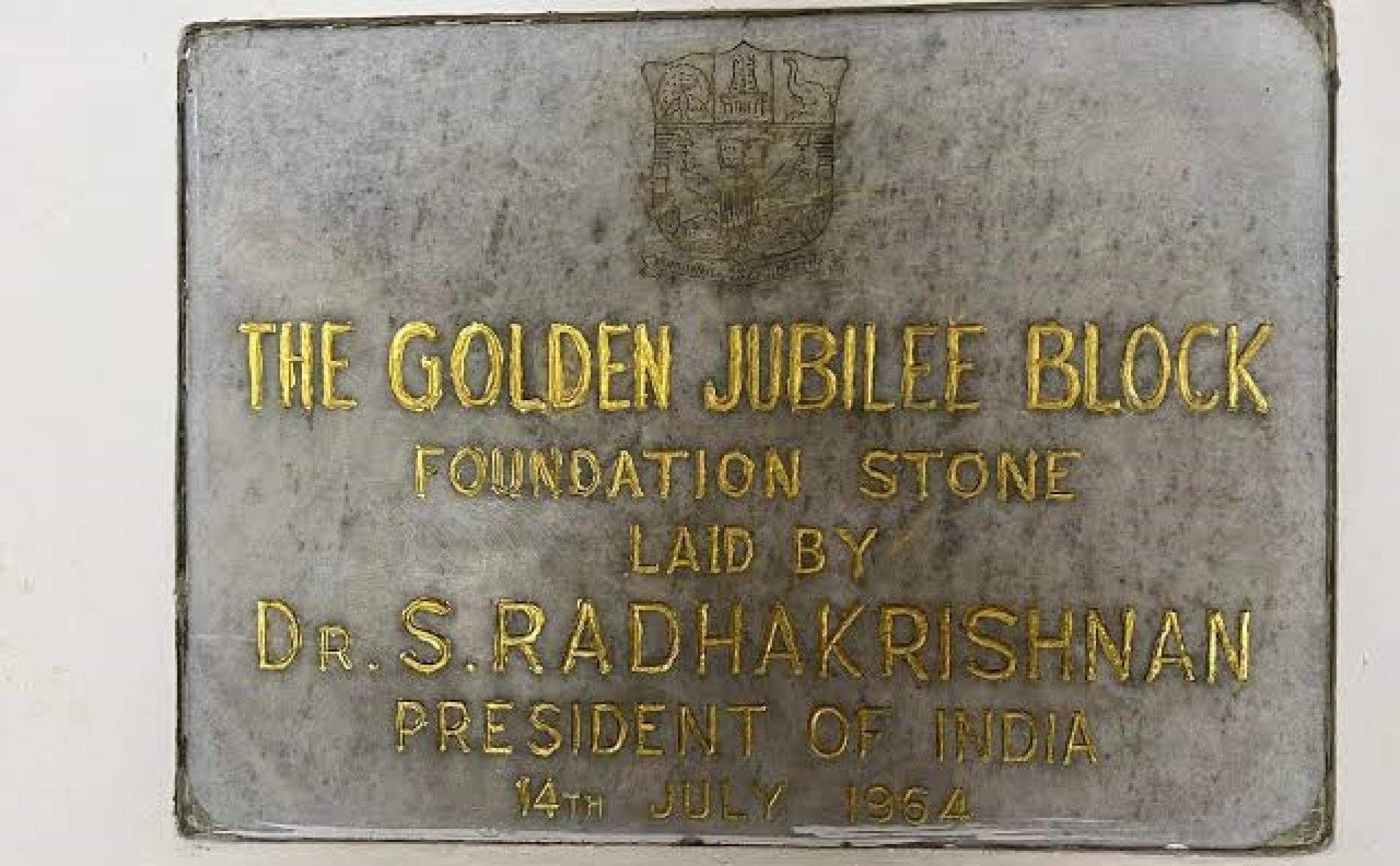
There is an interesting anthropological dimension to commemorative inscriptions. A black marble plaque embellished with golden lettering might preserve a politician's name for generations. Yet the permanence of the inscription does not necessarily establish the permanence of the contribution.
A rather different understanding of legacy emerges within the institution of fatherhood.
A father who spends his lifetime providing for his children, sacrificing personal comforts, demonstrating compassion and accepting responsibilities rarely receives a commemorative inscription. His contribution is not measured through public recognition or ceremonial acknowledgement. Instead, it survives through the character of his children, the values they inherit and the responsibilities they subsequently discharge towards others.
The distinction is profound. A politician might seek recognition through an inscription placed upon public property, whereas a father's influence is transmitted through generations without requiring any physical monument. The former is an assertion of remembrance; the latter is an enduring consequence of conduct.
Personalisation of
public expenditure
From a macroeconomic perspective, public expenditure represents the mobilisation of collective resources towards infrastructure, welfare and developmental objectives. Its justification rests upon public utility, opportunity costs and the equitable distribution of benefits. The political executive administers these resources within an established institutional framework; it does not acquire proprietary rights over the achievements resulting from their deployment.
The constitutional principle of separation of powers reinforces this distinction by locating governmental authority within institutions rather than individual personalities. The continuity of the State must remain independent of the political identity of those temporarily occupying executive office.
Commemorative plaques at publicly funded establishments could reasonably identify the department responsible, the implementing authority, the funding arrangement, the date of commissioning and the designation and tenure of the office-holder responsible for the administrative decision. Where appropriate, the constituency represented could also be recorded.
Such an arrangement would preserve institutional accountability without converting public infrastructure into an instrument of individual political branding.
The name of the office-holder is sufficient as an administrative record. It need not become a monument to personal achievement.
Politics of inherited
prominence
The increasing visibility of political hoardings and promotional signboards along the Verna–Nuvem highway, including those associated with prospective candidates and incumbent representatives seeking another electoral mandate, provides a contemporary illustration of the relationship between political visibility and public recognition.
The emergence of political dynasties and the cultivation of inherited political identities also warrant scrutiny. A surname, an established political association or the physical visibility of a candidate cannot independently establish the capacity to govern.
The electorate must consequently evaluate candidates through the quality of their public administration, their commitment to institutional integrity, their stewardship of public finances and the tangible improvements delivered to their constituencies.
A politician should aspire to leave behind institutions worthy of remembrance rather than merely a name demanding remembrance.
A father's legacy is not
a politician's legacy
Ultimately, the distinction returns to the meaning of legacy itself. A father does not acquire an enduring legacy merely through the biological circumstance of fatherhood. It is earned through the responsibilities discharged, the affection demonstrated, the sacrifices undertaken and the values imparted to his children. Such a legacy becomes part of their identity, influencing their decisions and conduct throughout their lives.
Political representatives, conversely, are entrusted with a different responsibility. Their contribution must be evaluated through the institutions strengthened, the public resources administered responsibly and the welfare of the people advanced during their tenure.
A father's legacy is not established through an inscription, a ceremonial inauguration or a declaration of personal achievement. It is reflected in the character of those he has nurtured and the principles they continue to uphold. It is an intangible inheritance whose value cannot be calculated through expenditure or displayed through public monuments.
A politician may have his name engraved upon a public building, but such an inscription cannot independently establish his contribution to society. That assessment belongs to history and, ultimately, to the electorate.
Perhaps the most meaningful measure of a person's contribution is not the permanence of a name engraved upon marble, but the values that continue to influence others long after that person has departed.
A politician may seek to immortalise his name through public property. A father, however, leaves something considerably more enduring: A part of himself in the people he has loved, nurtured and inspired. The greatest legacies are not those which demand to be remembered, but those which continue to live through others even after their authors are gone.